Generative cartography
From an idea,a real map.
Describe it in plain words. The model writes the document, the renderer draws the plate — real geography, editorial craft, sources cited.
Every map around you is real — made with Gesta Carta, reviewed by hand.
From text to map, in three moves.
- 01Describe the situation.
- 02The document takes shape.
- 03The map draws itself.
01 · Briefing
A sentence in plain language — or a text, a spreadsheet, a PDF. Nothing to draw by hand.
02 · Document
The model writes the DSL: layers, named entities, disambiguations. Readable and validated.
03 · Map
The renderer turns the document into deterministic cartography: coastlines, borders, zones, labels.
Who it’s for, and how deep
Three doors onto the same engine.
The lenses
Change the lens, change the map.
Your briefing
›
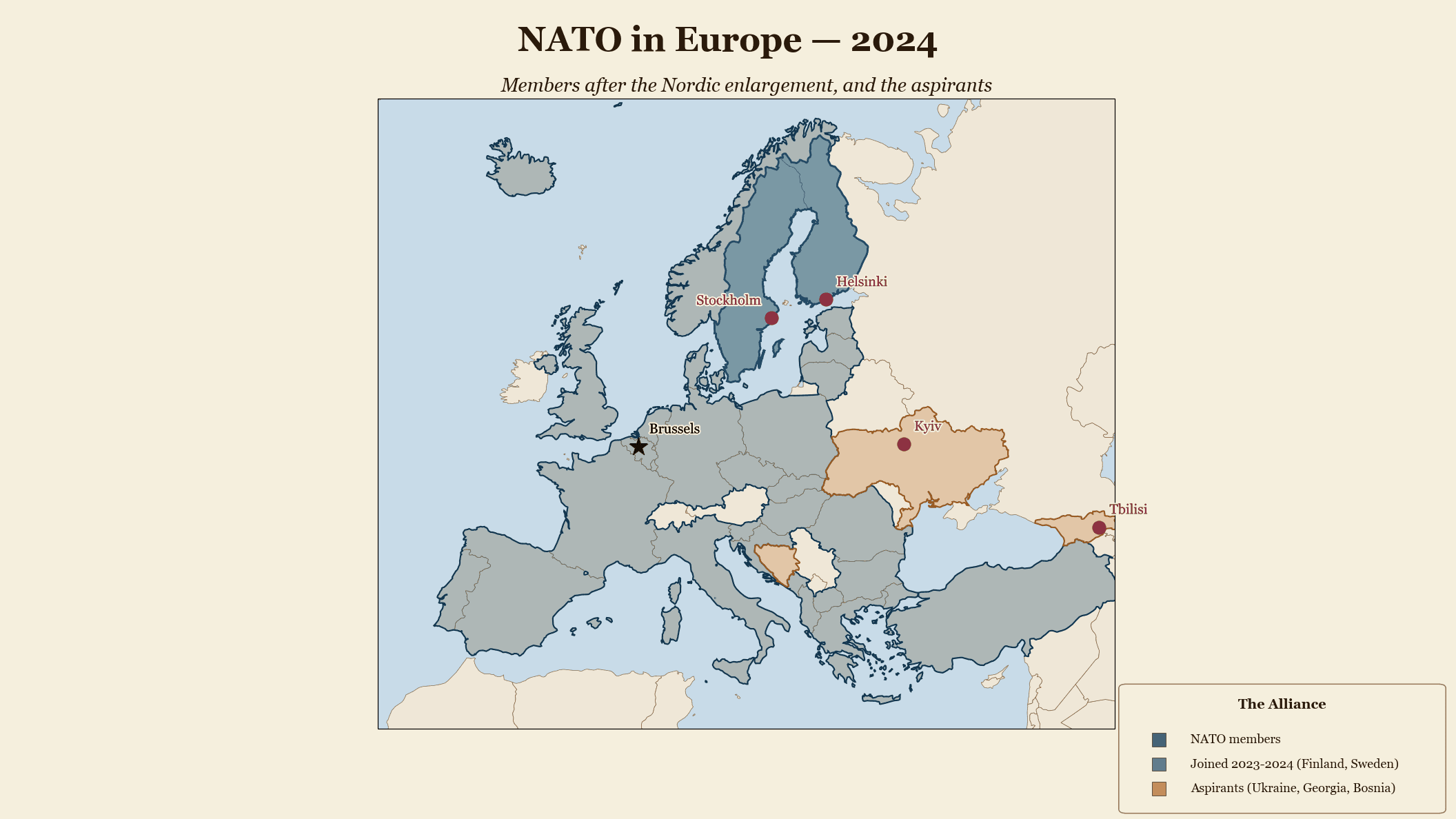
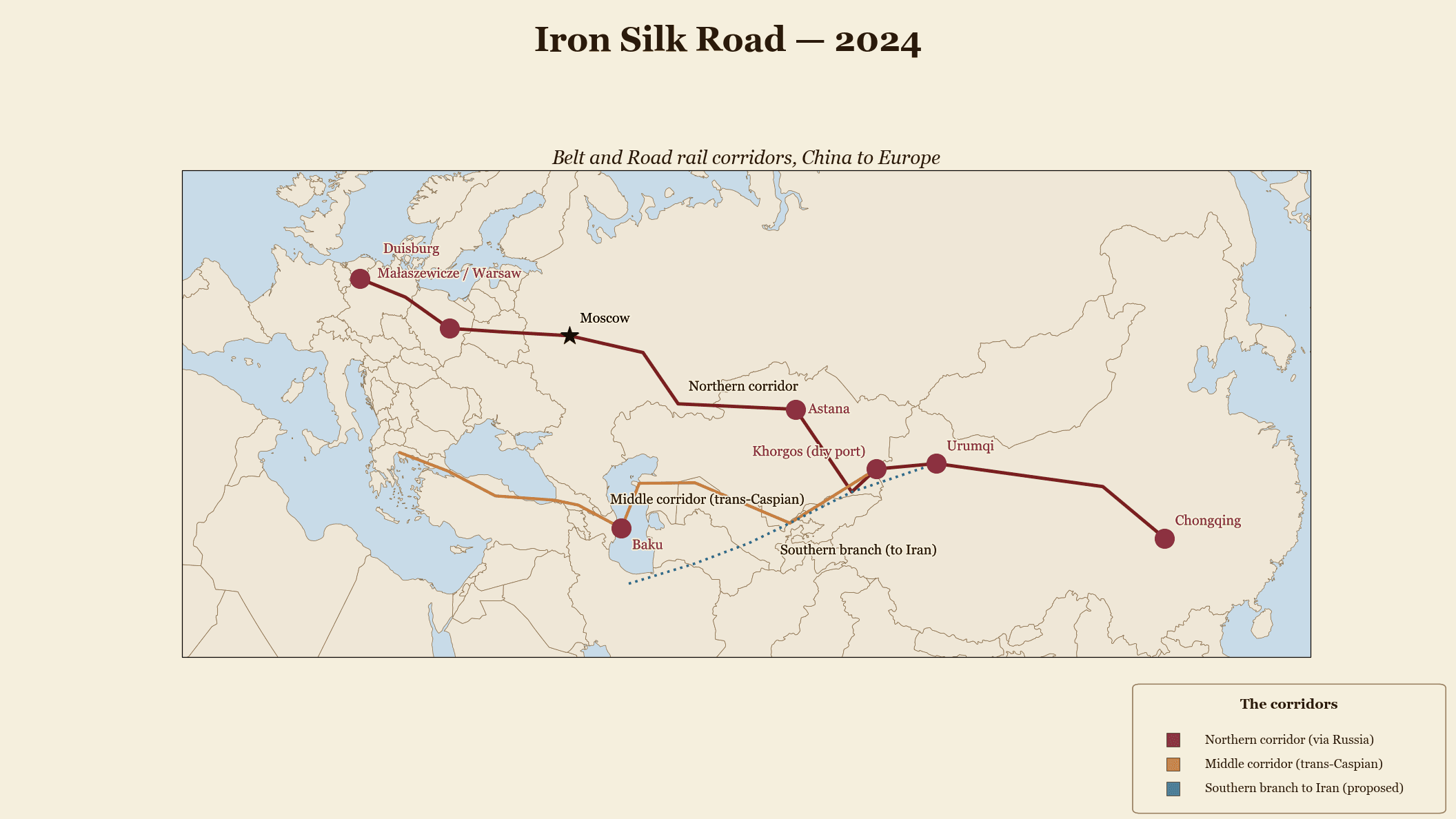
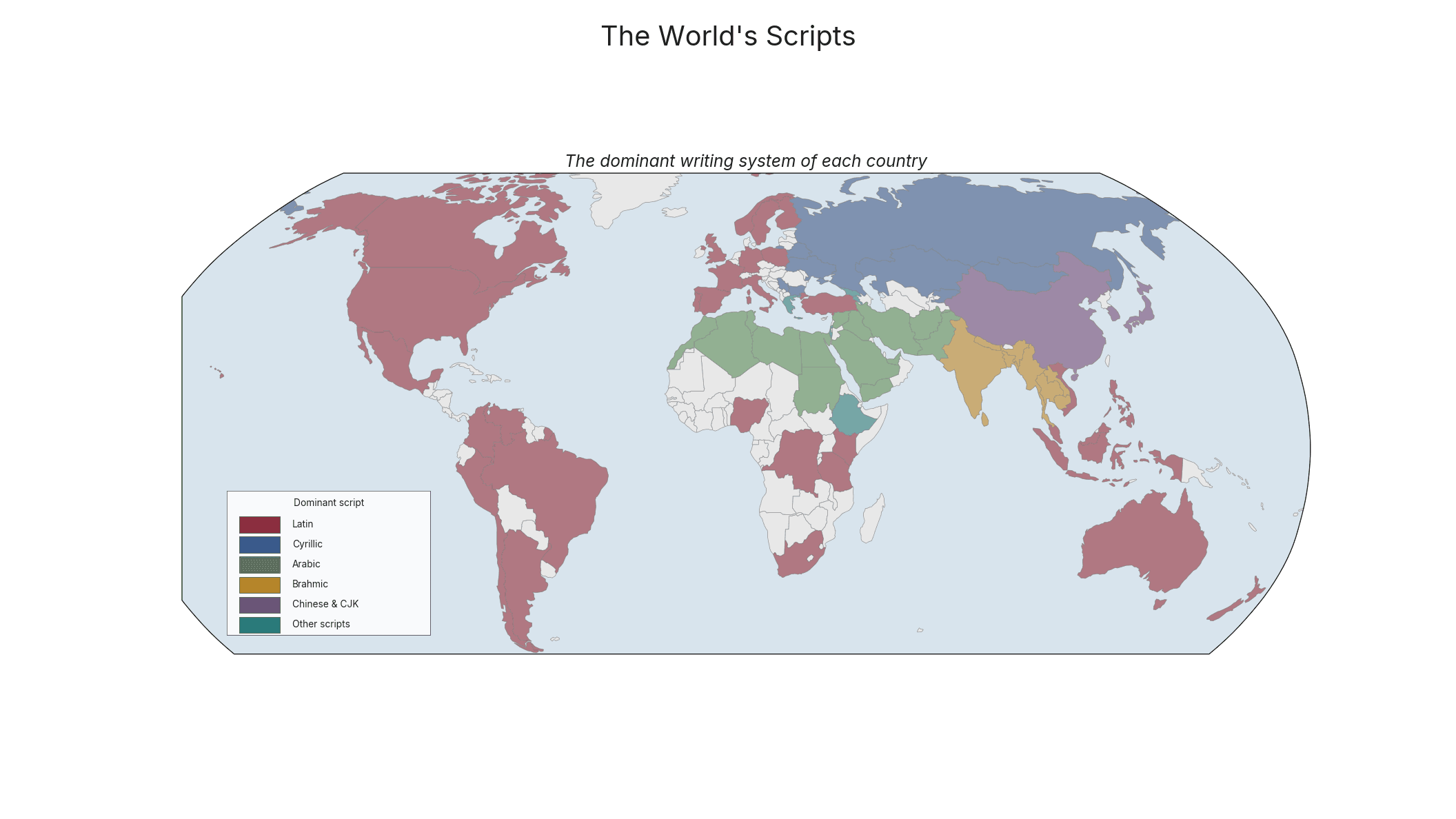
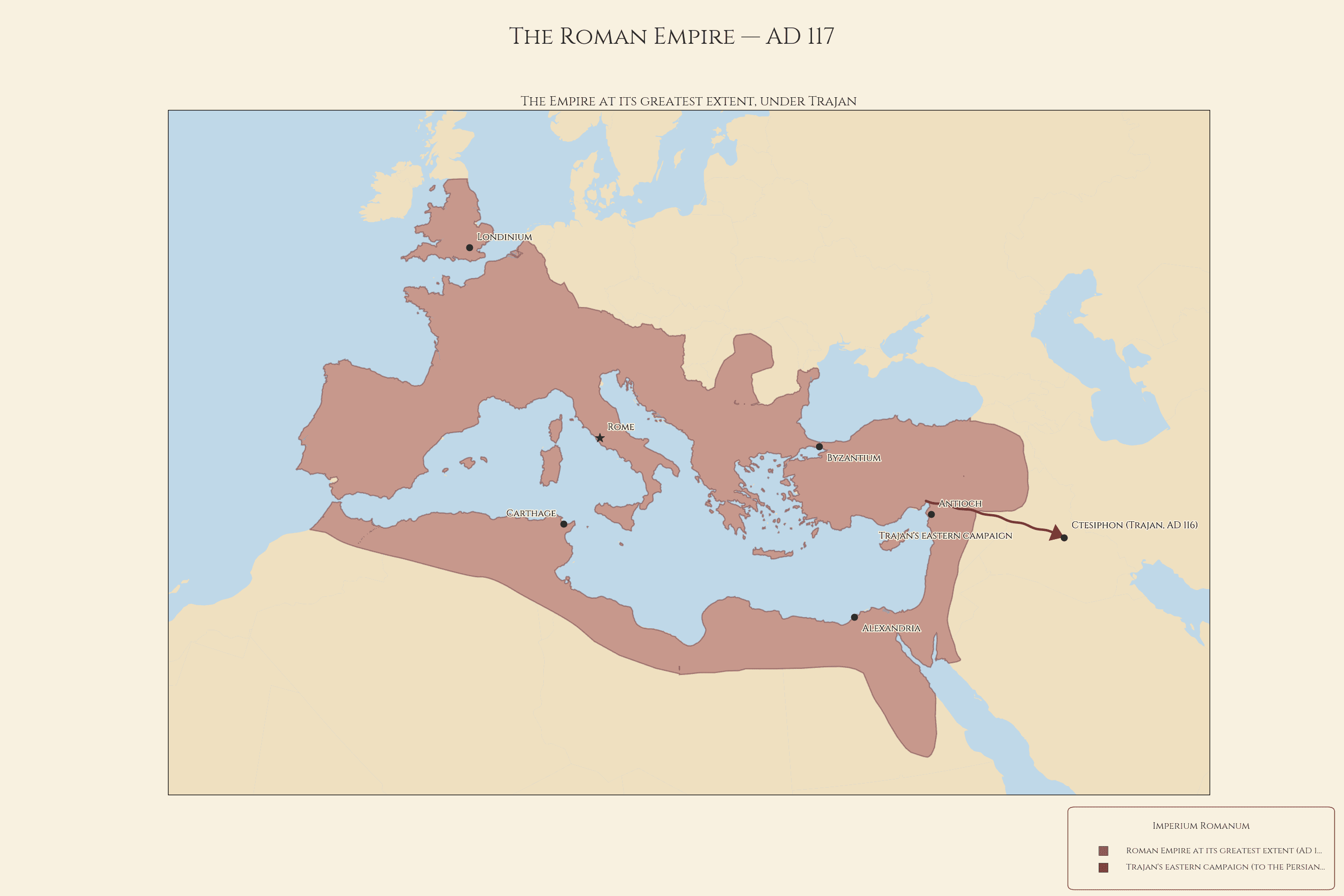
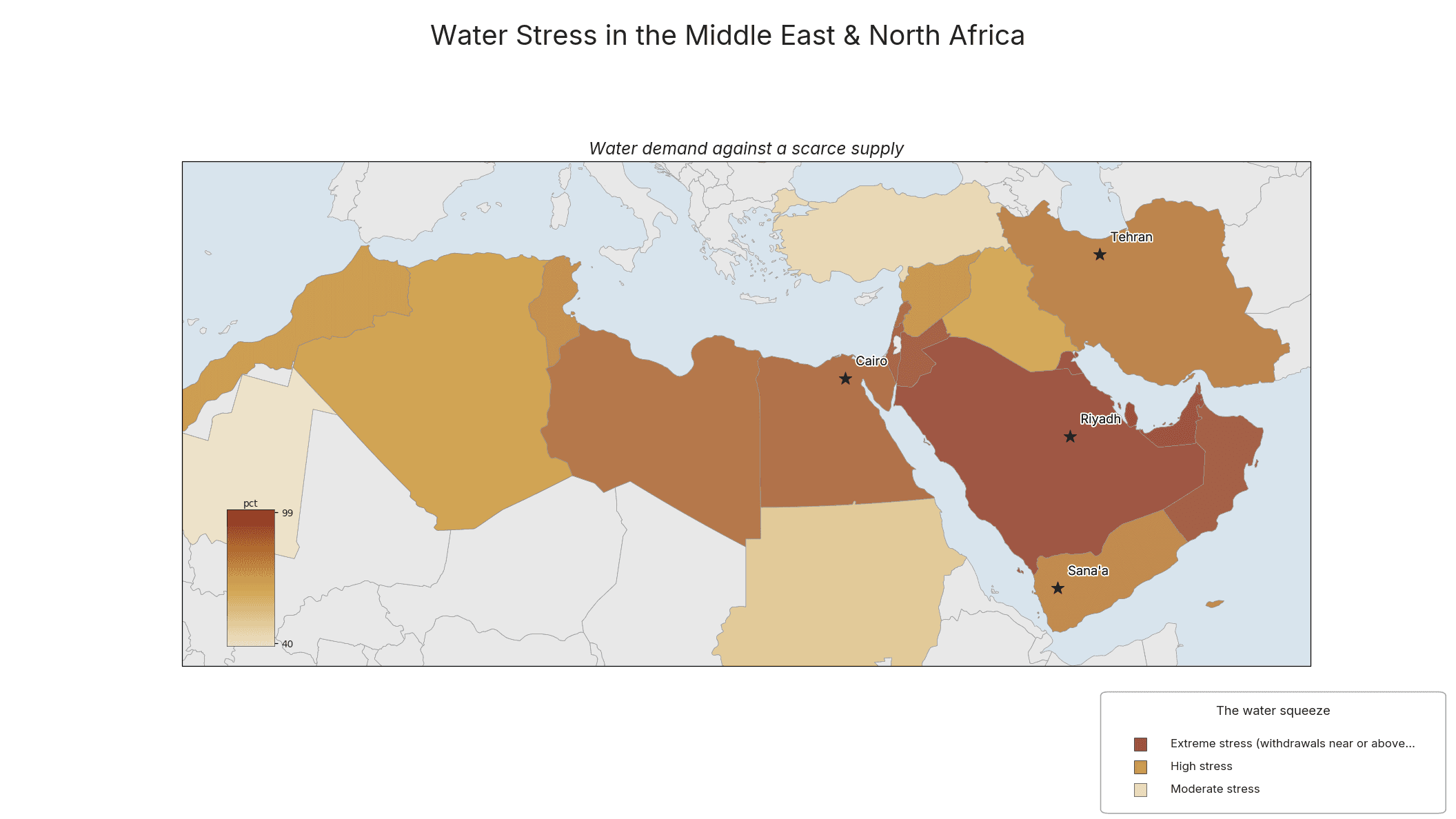
Honest about ambiguity
Every map takes a position. We make it explicit.
A map is a choice, not a neutral fact. Gesta Carta doesn’t decide for you — it asks. Disambiguations are first-class nodes of the document: always visible, always yours.
- Territorial
- Contested borders and partial recognition.
- Terminological
- Names that change with the point of view.
- Conceptual
- “Influence”: military, economic, or cultural?
- Temporal
- “Current borders” — as of which year?
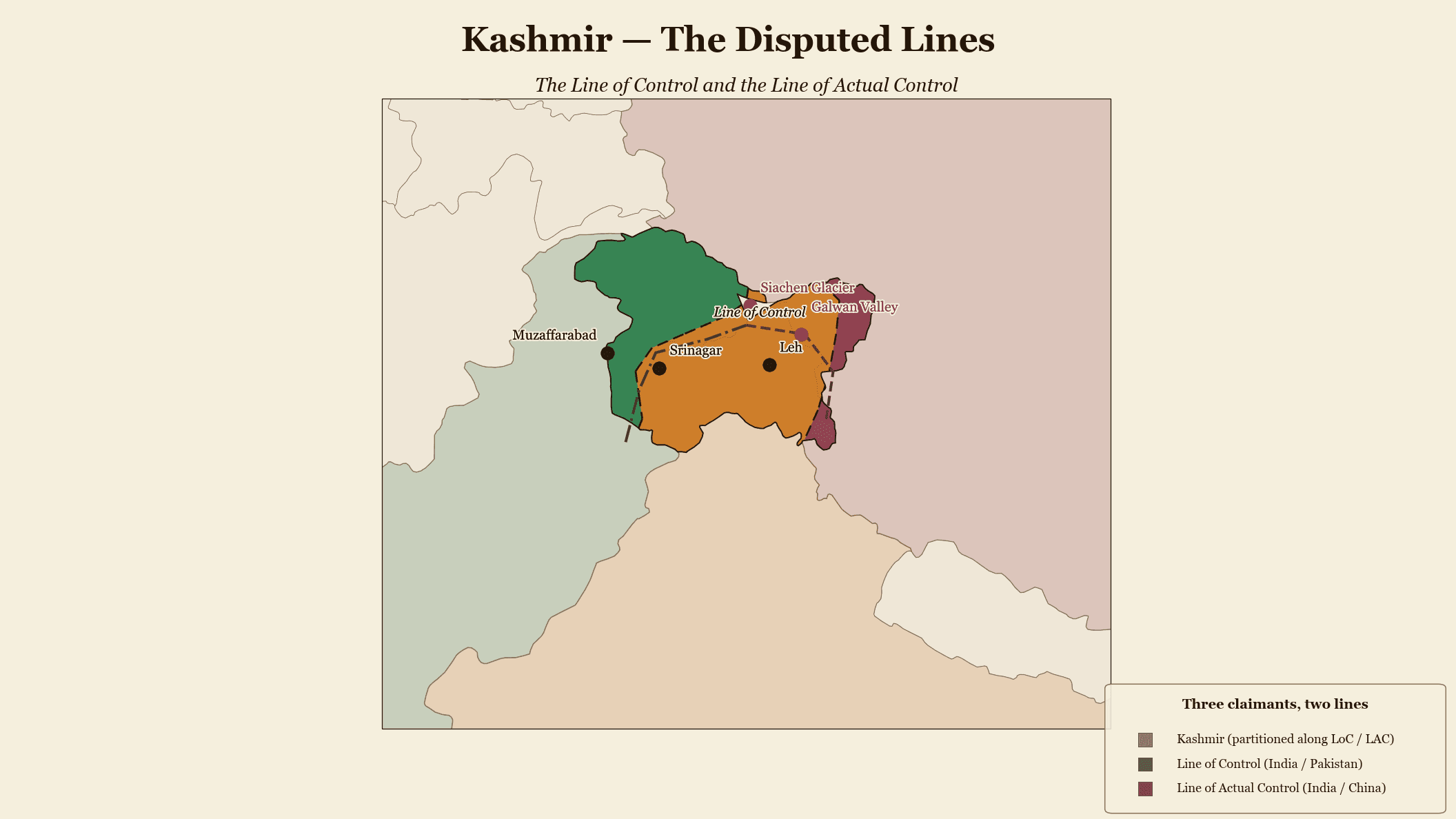
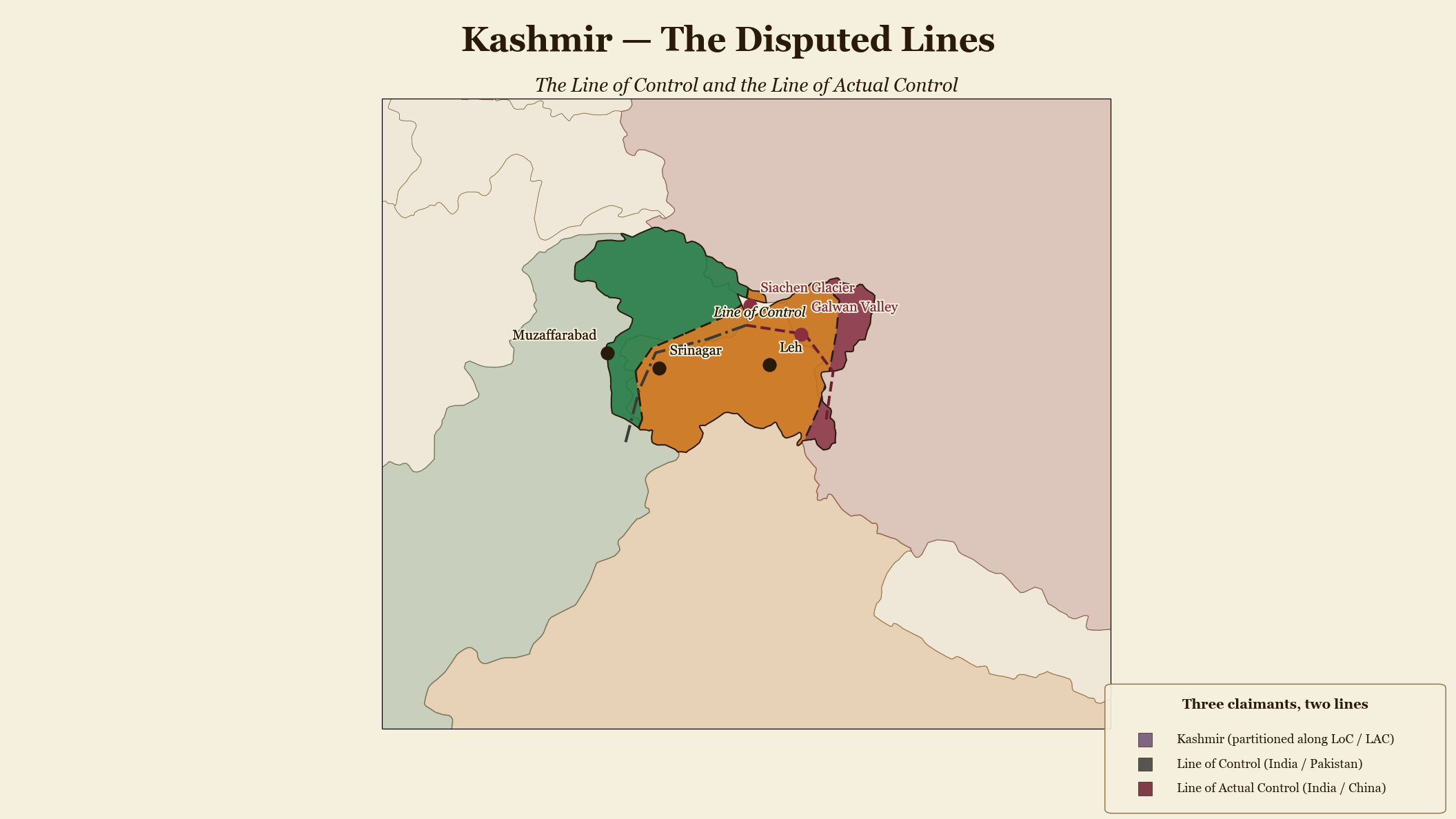
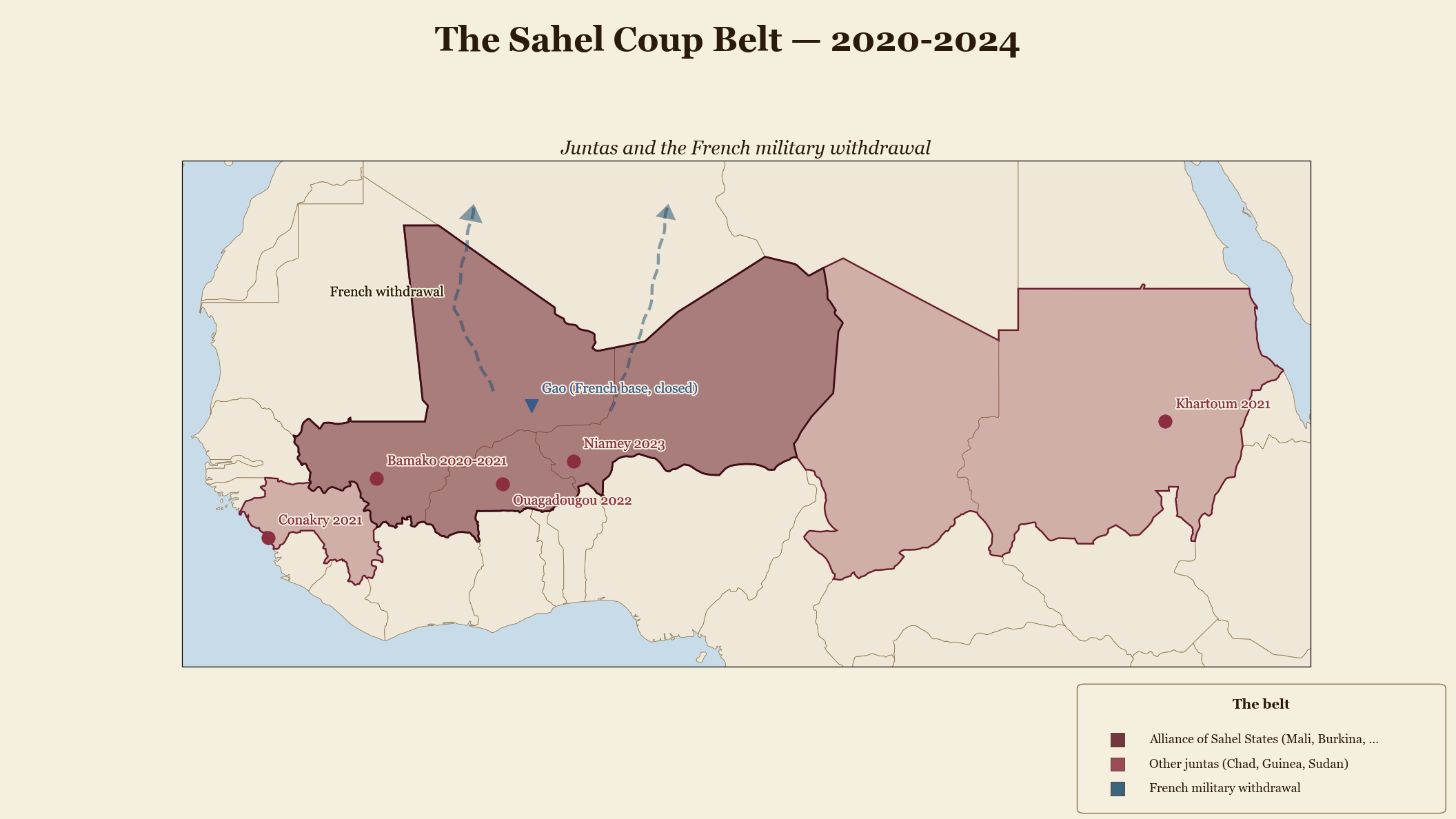
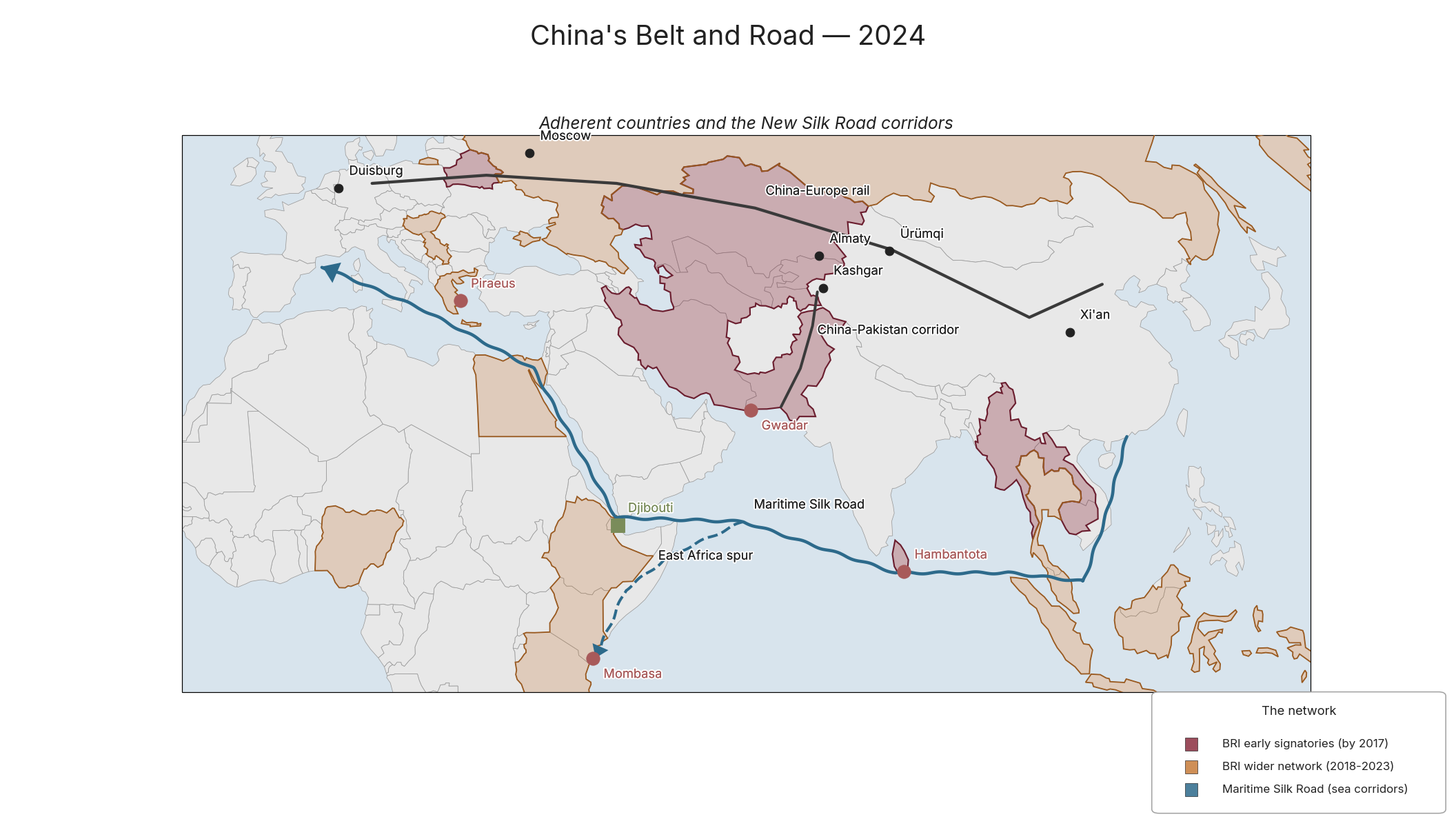
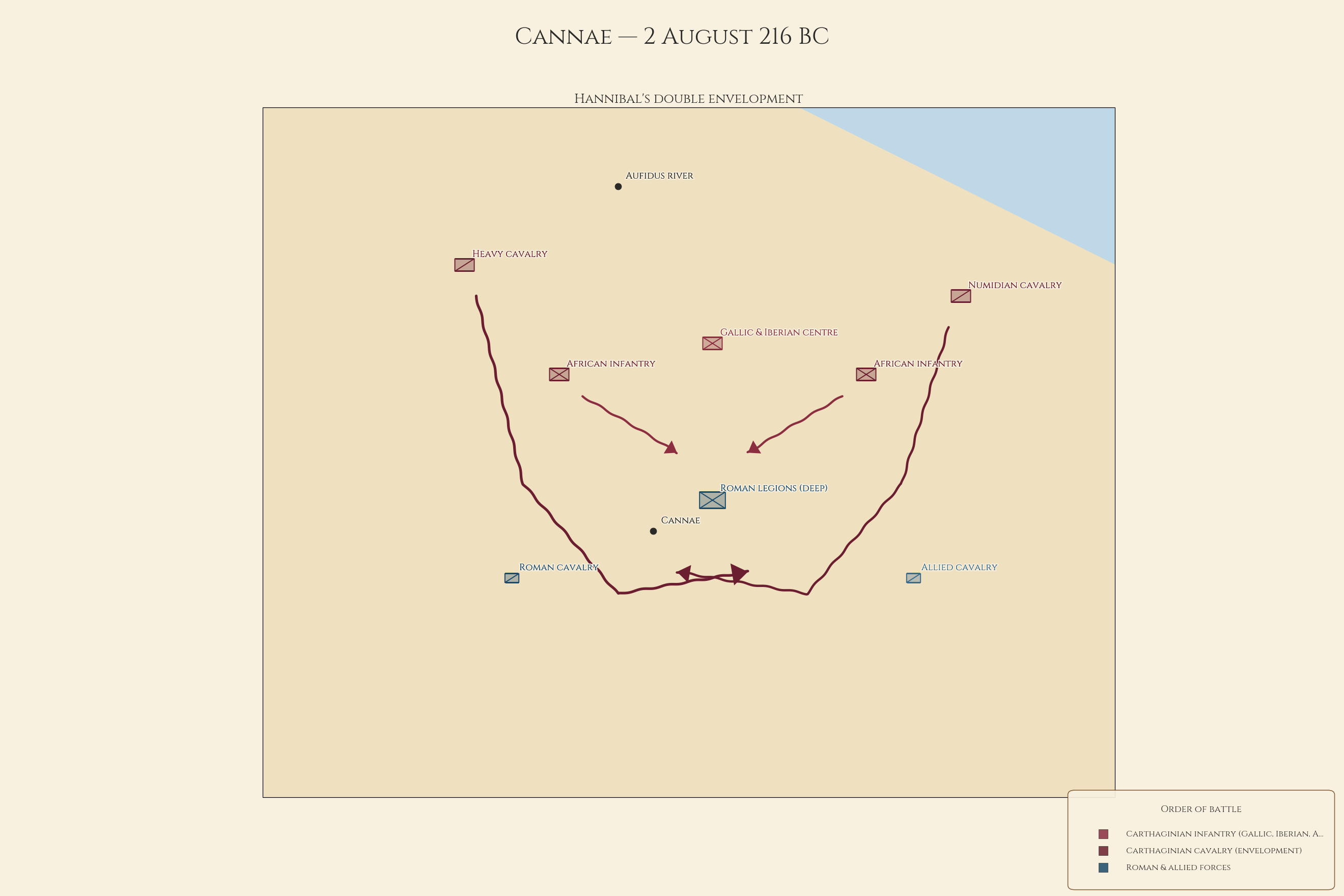
The maps
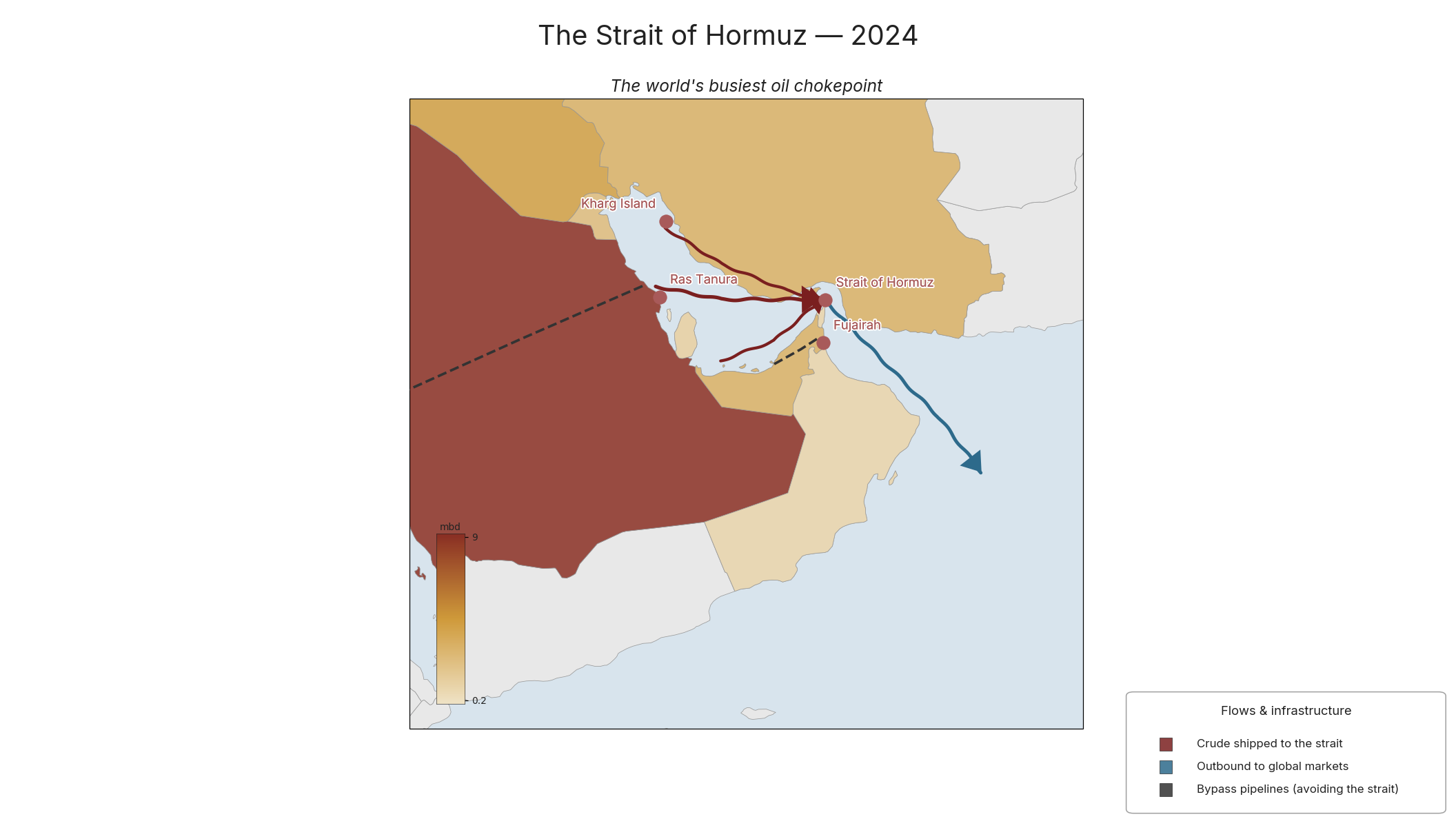
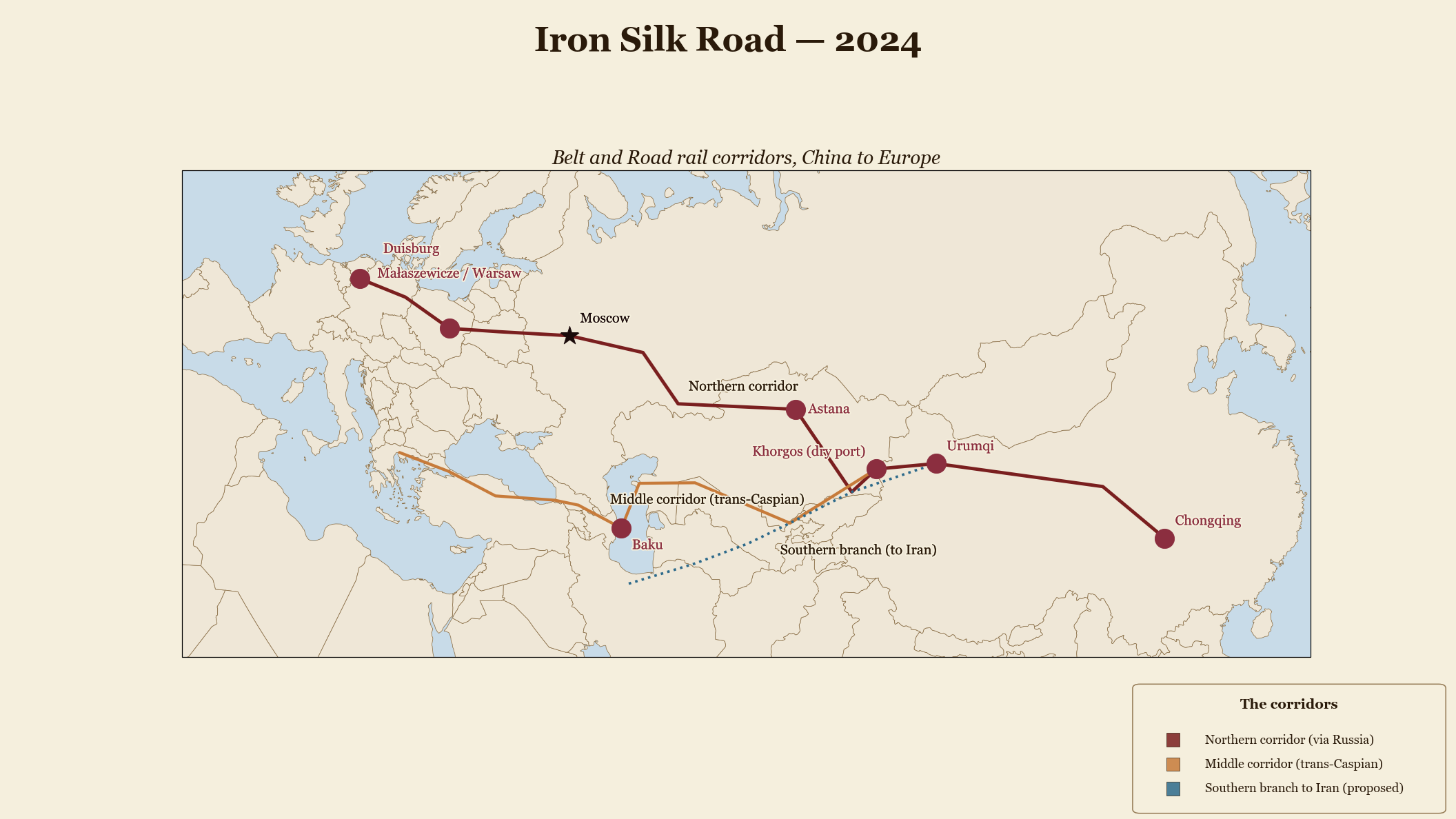
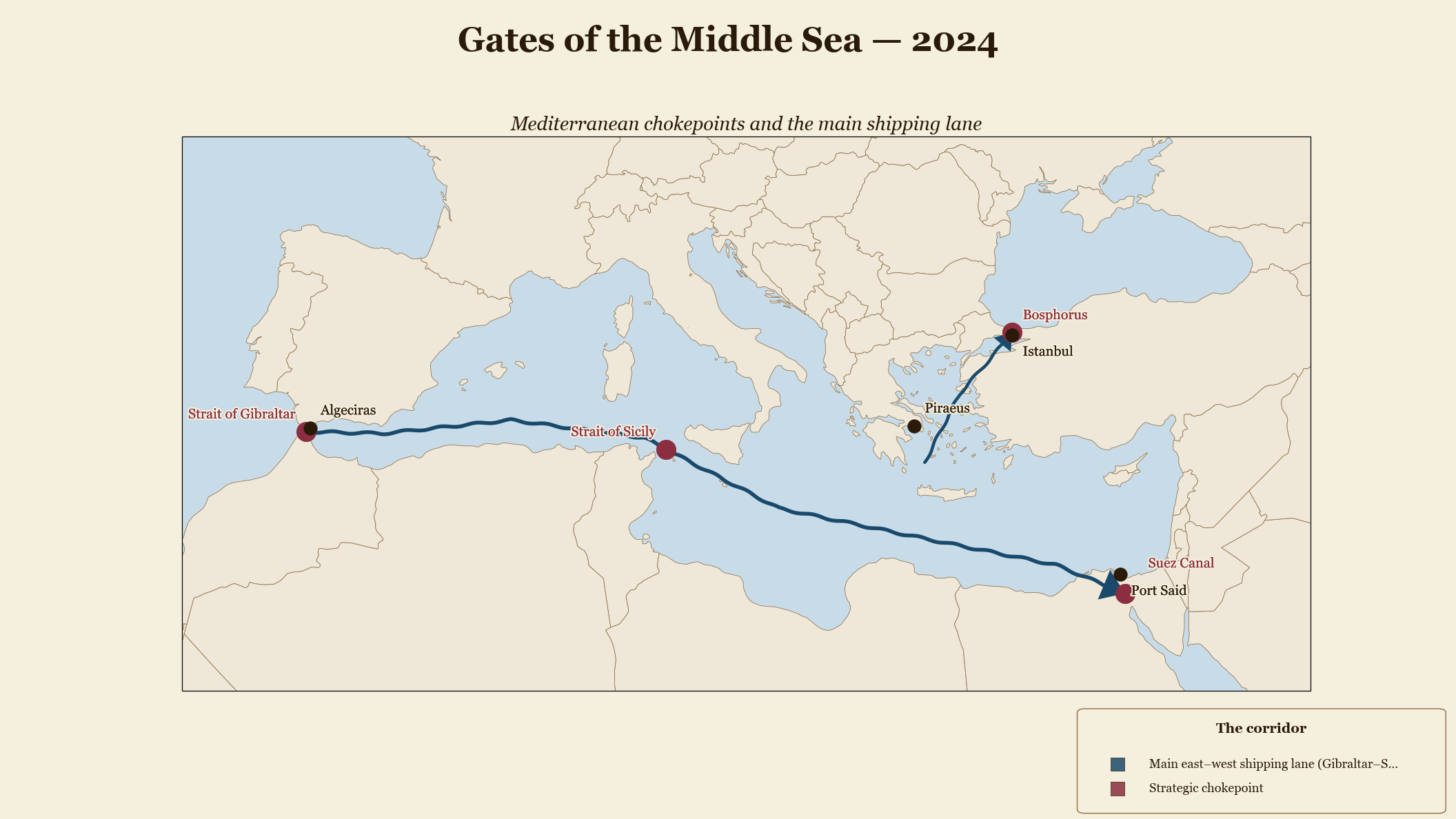
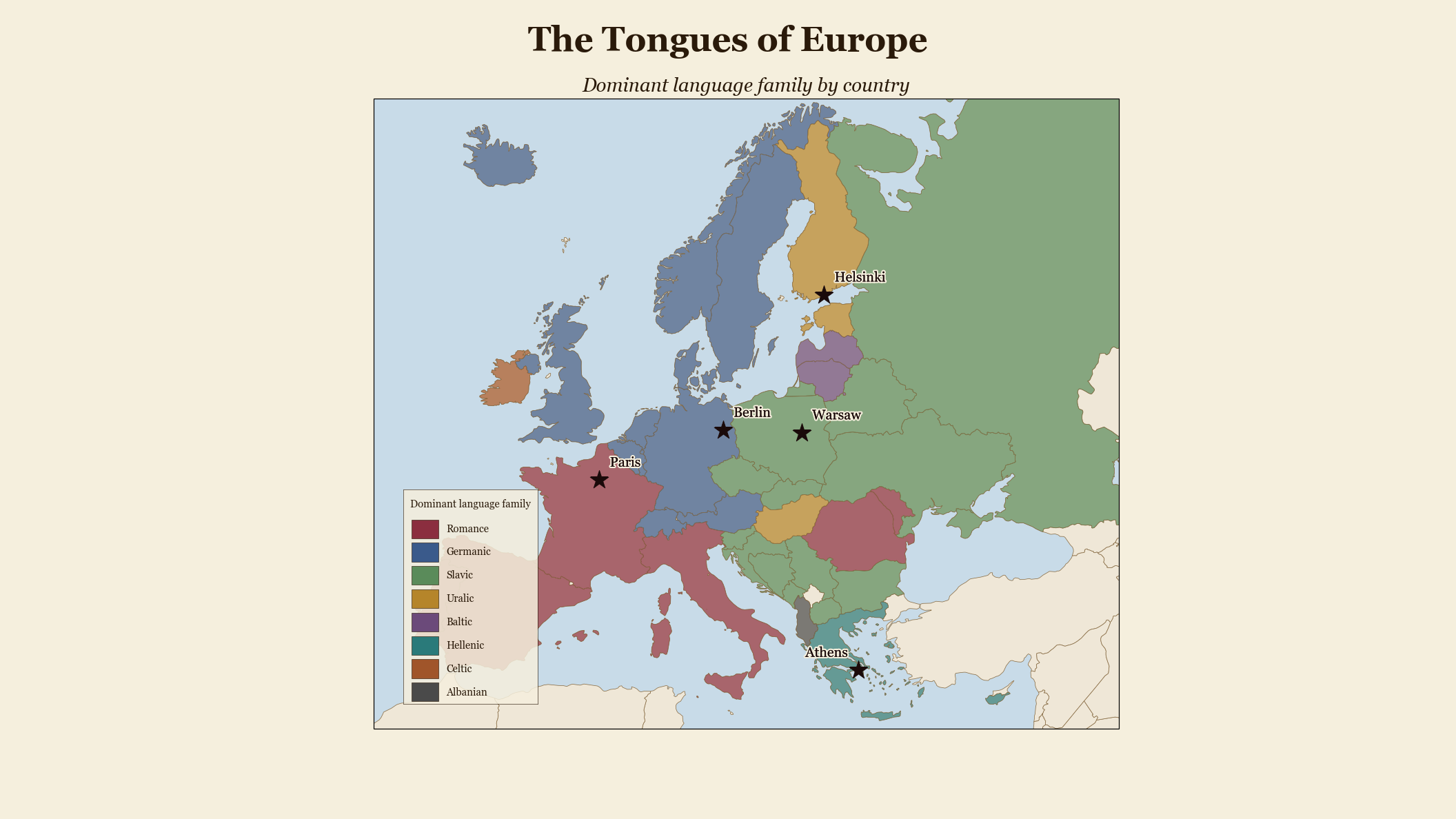
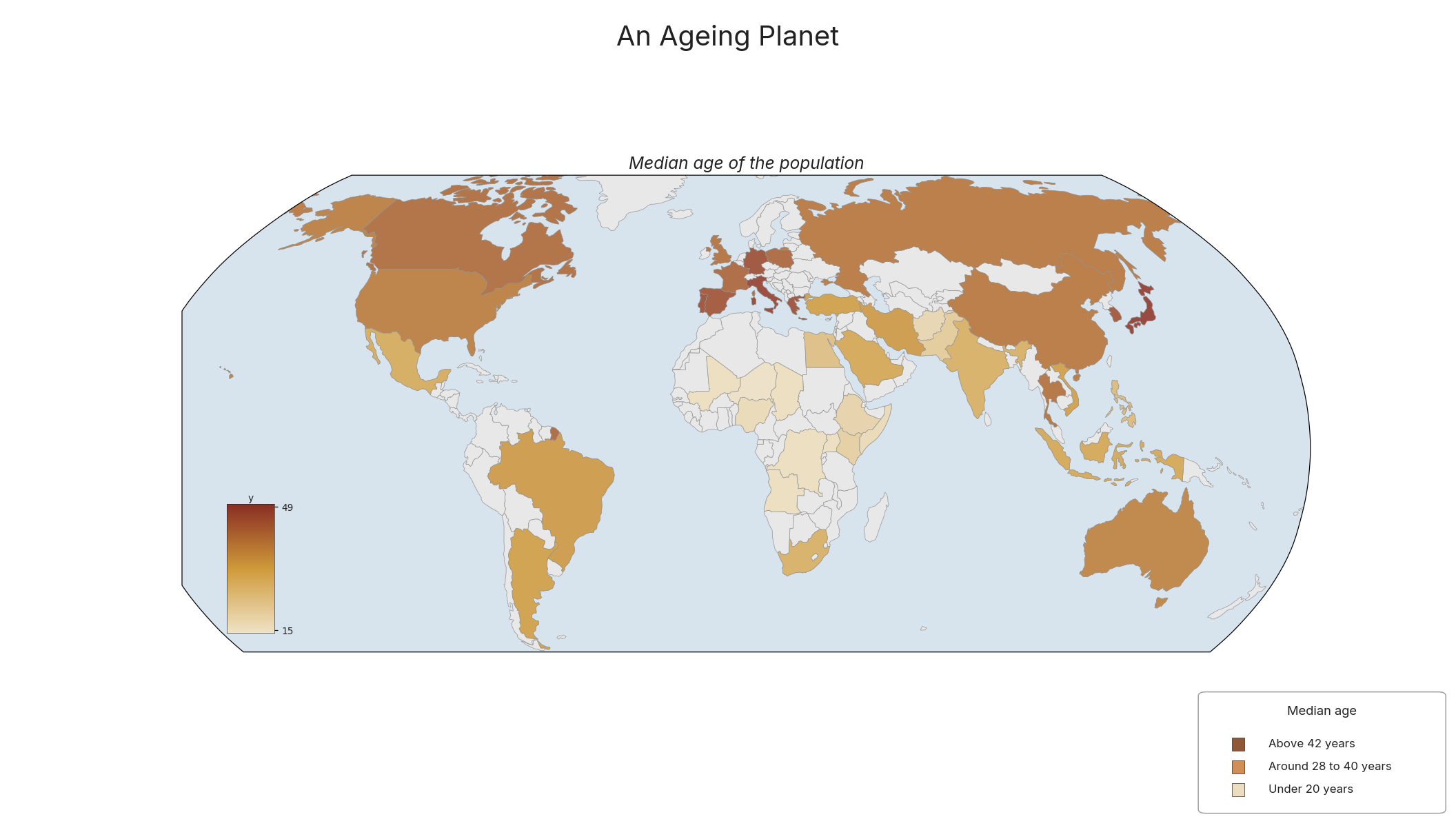
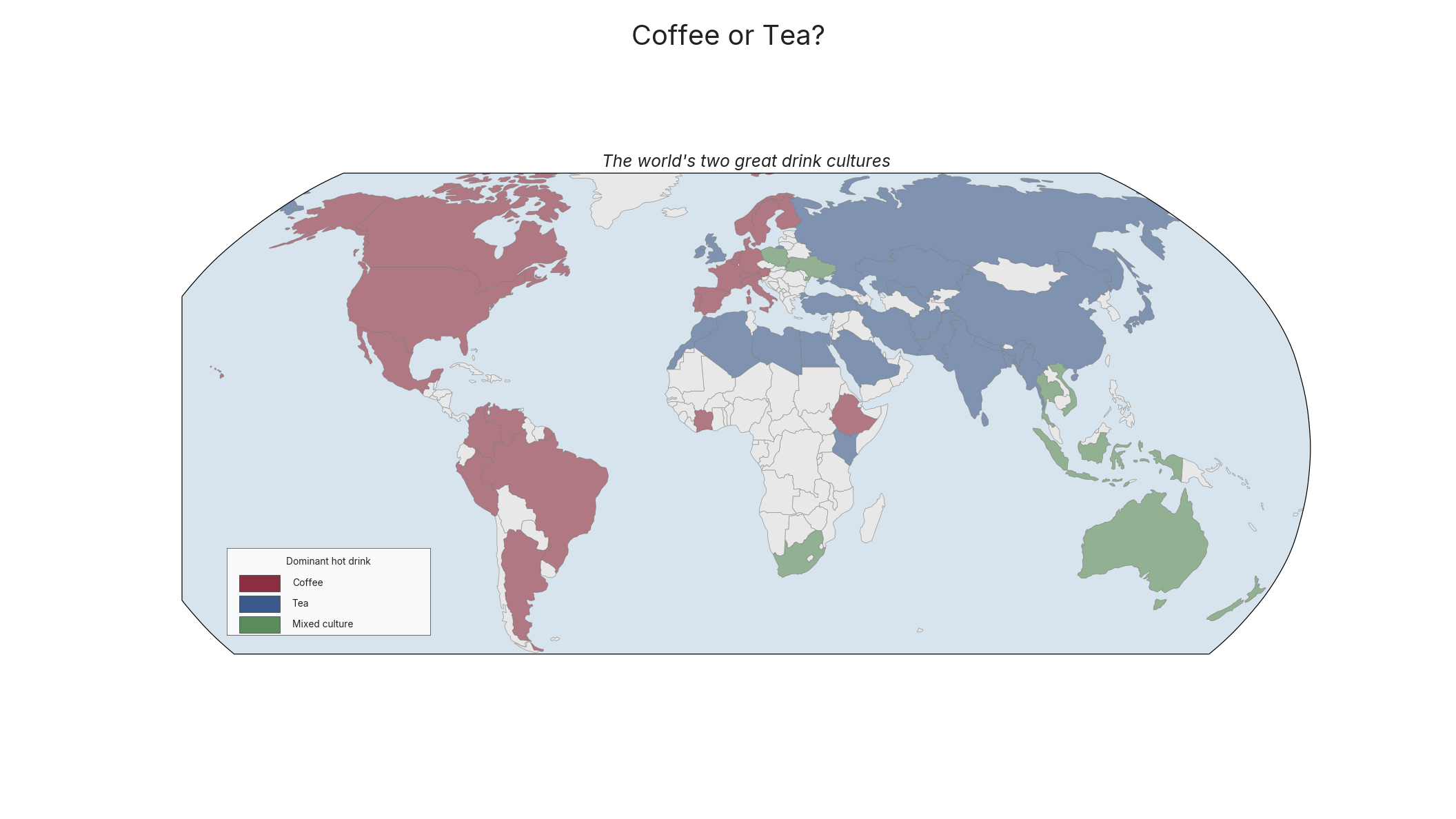
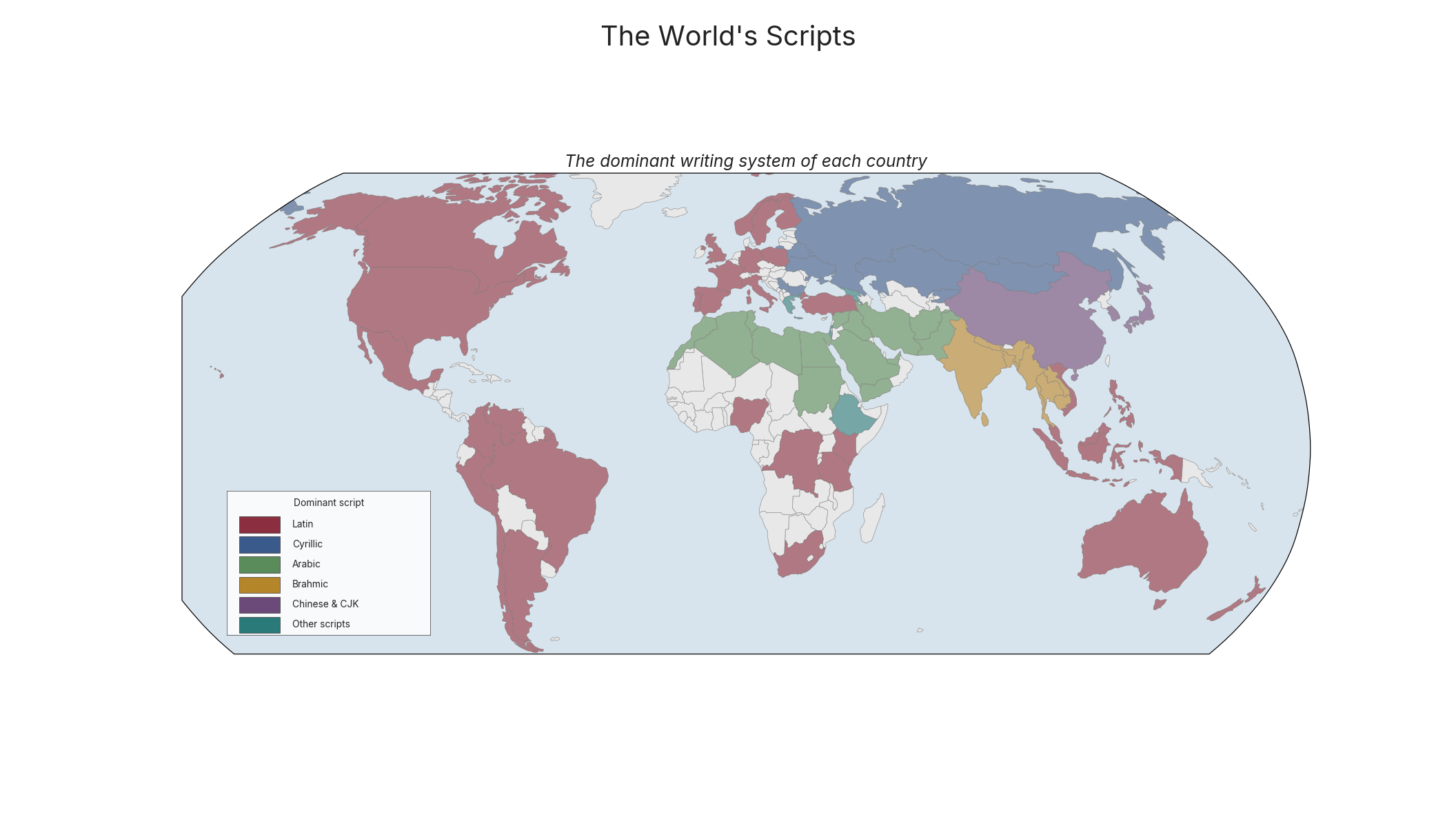
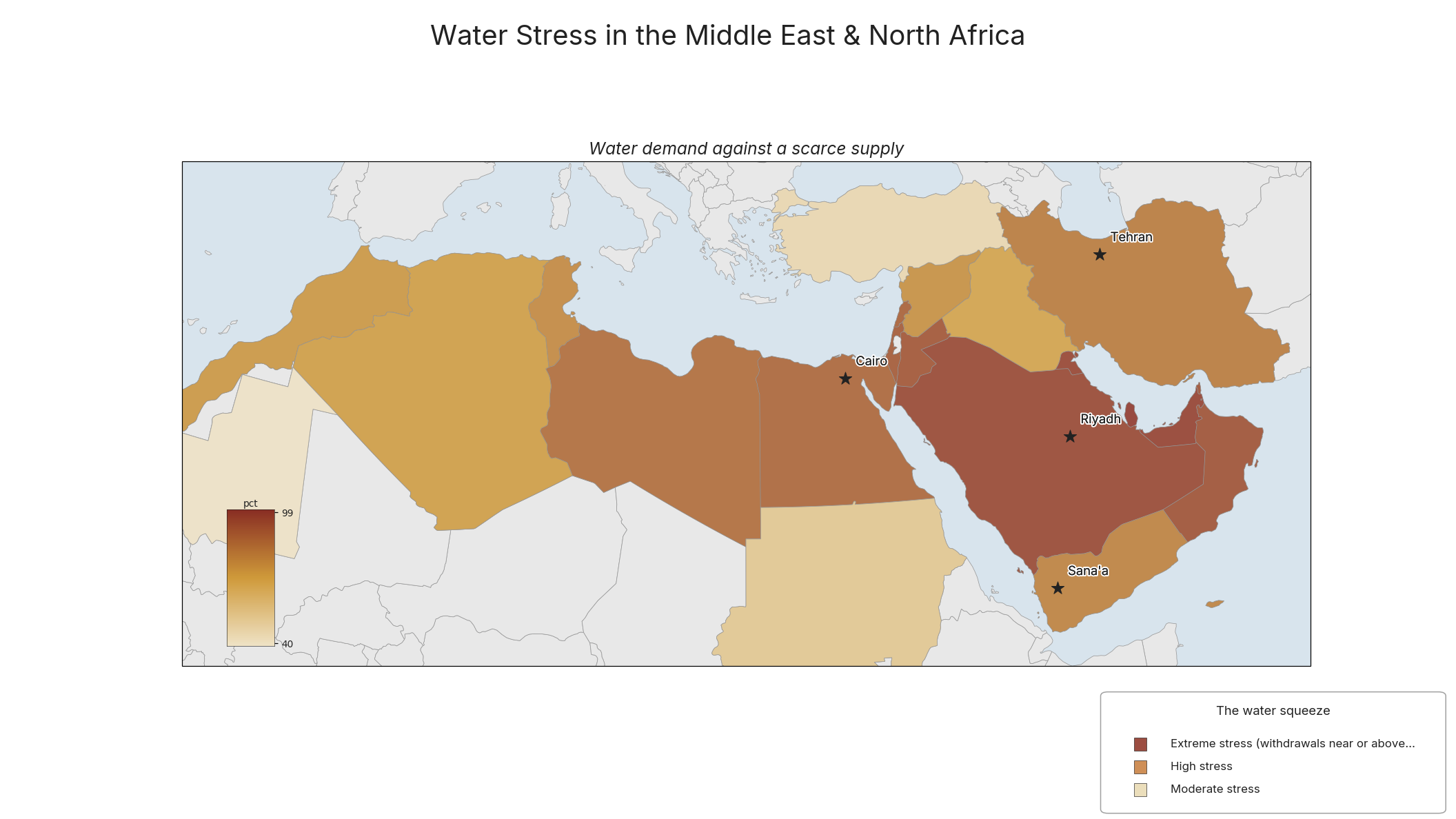
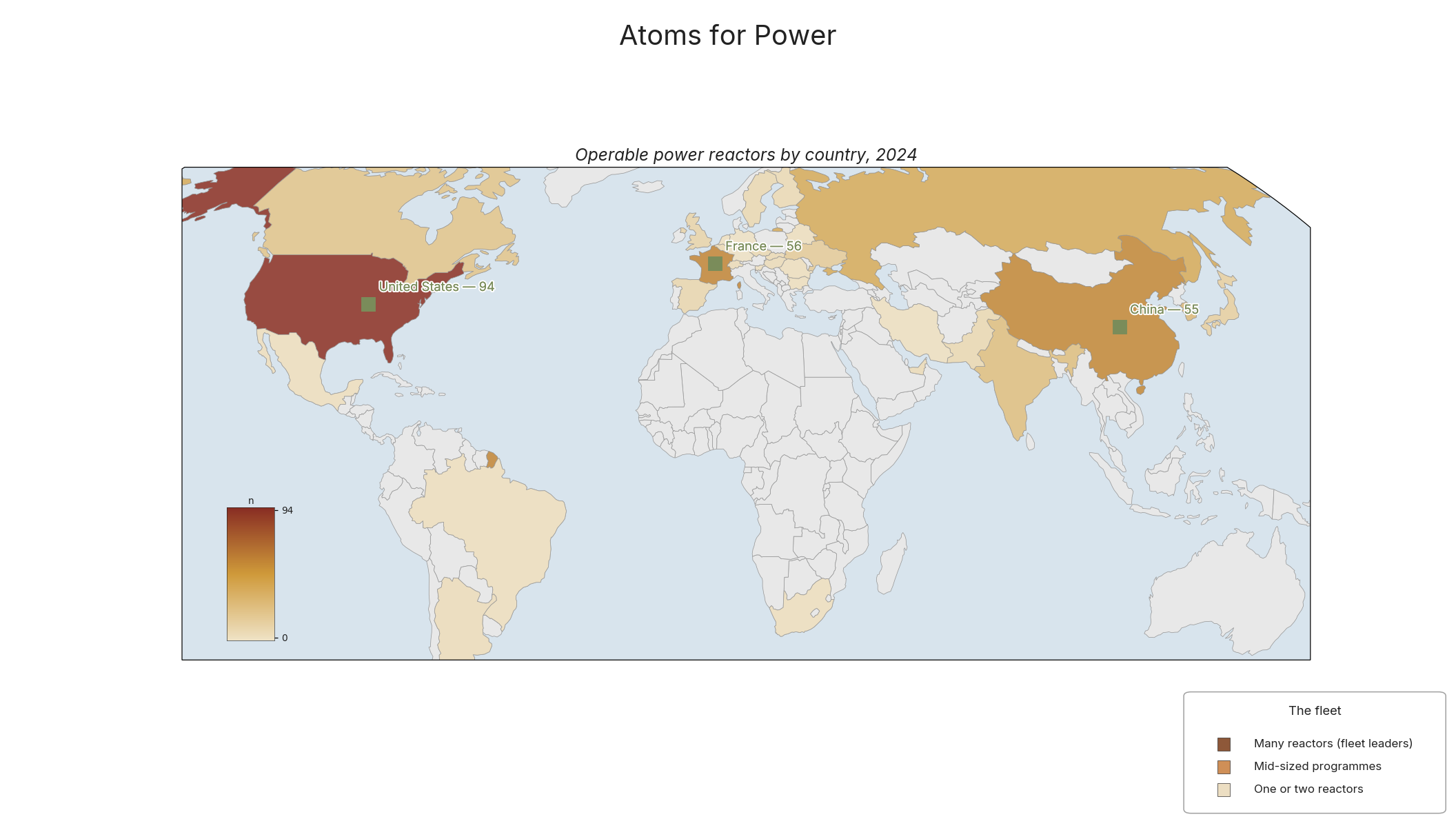
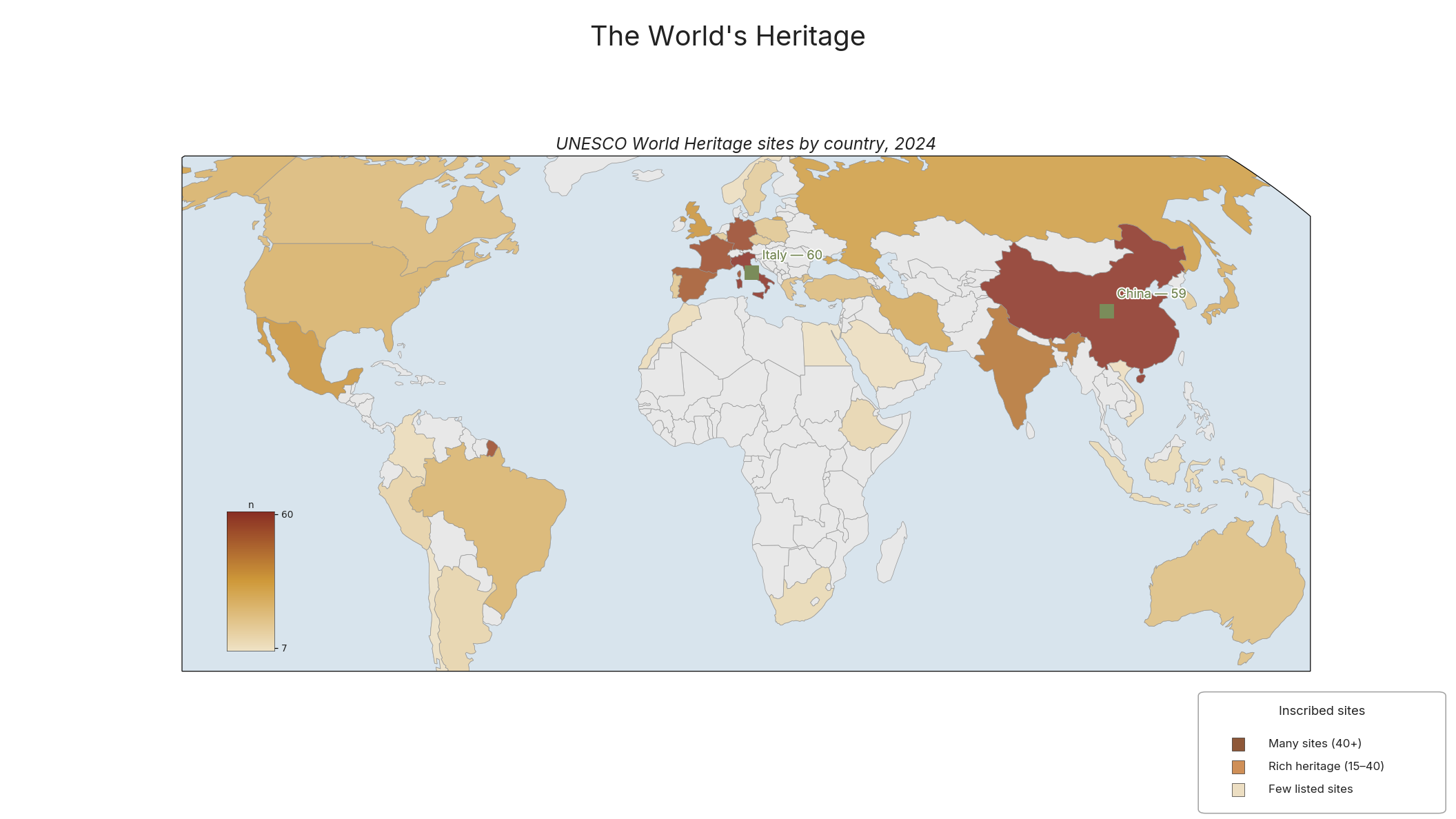
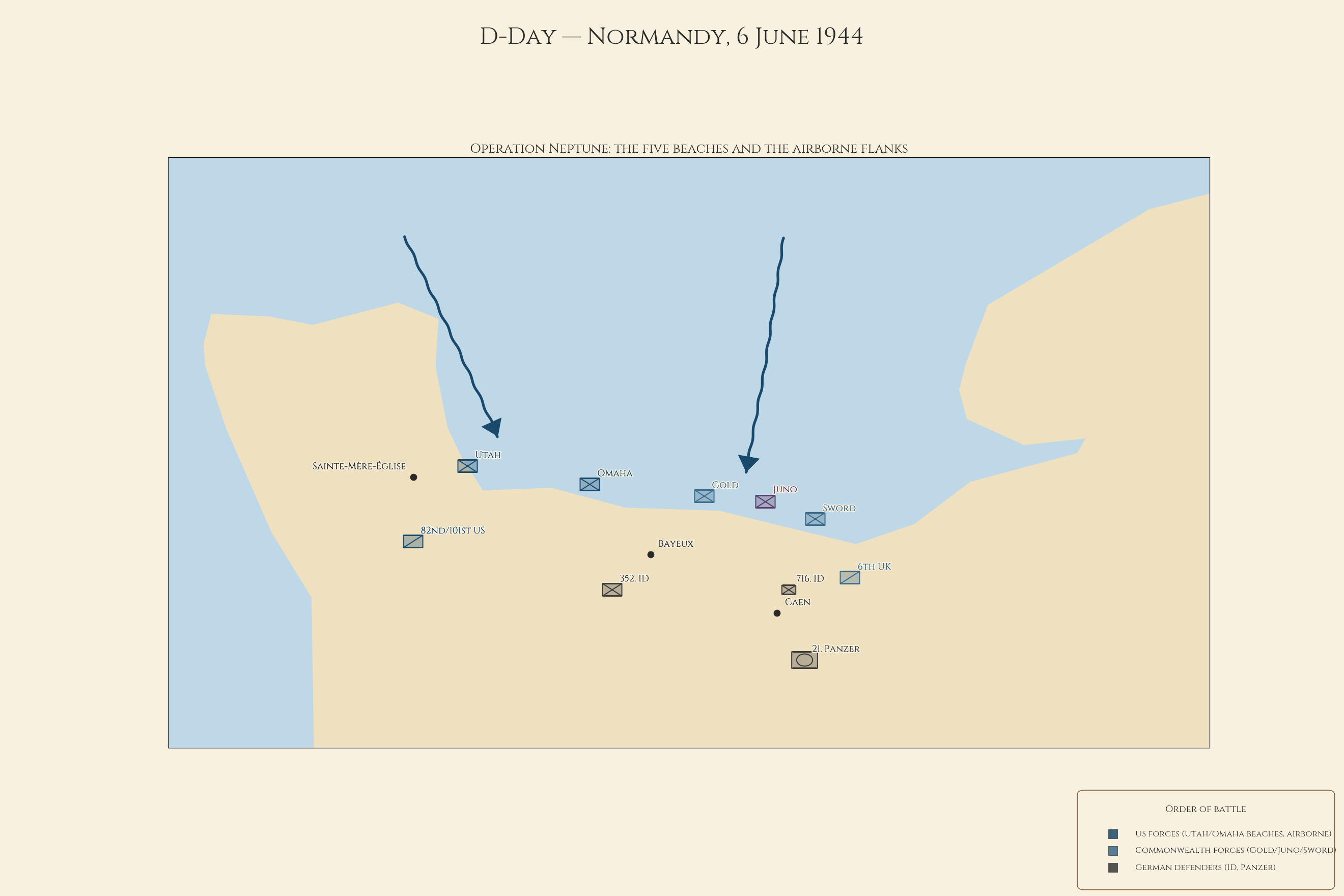
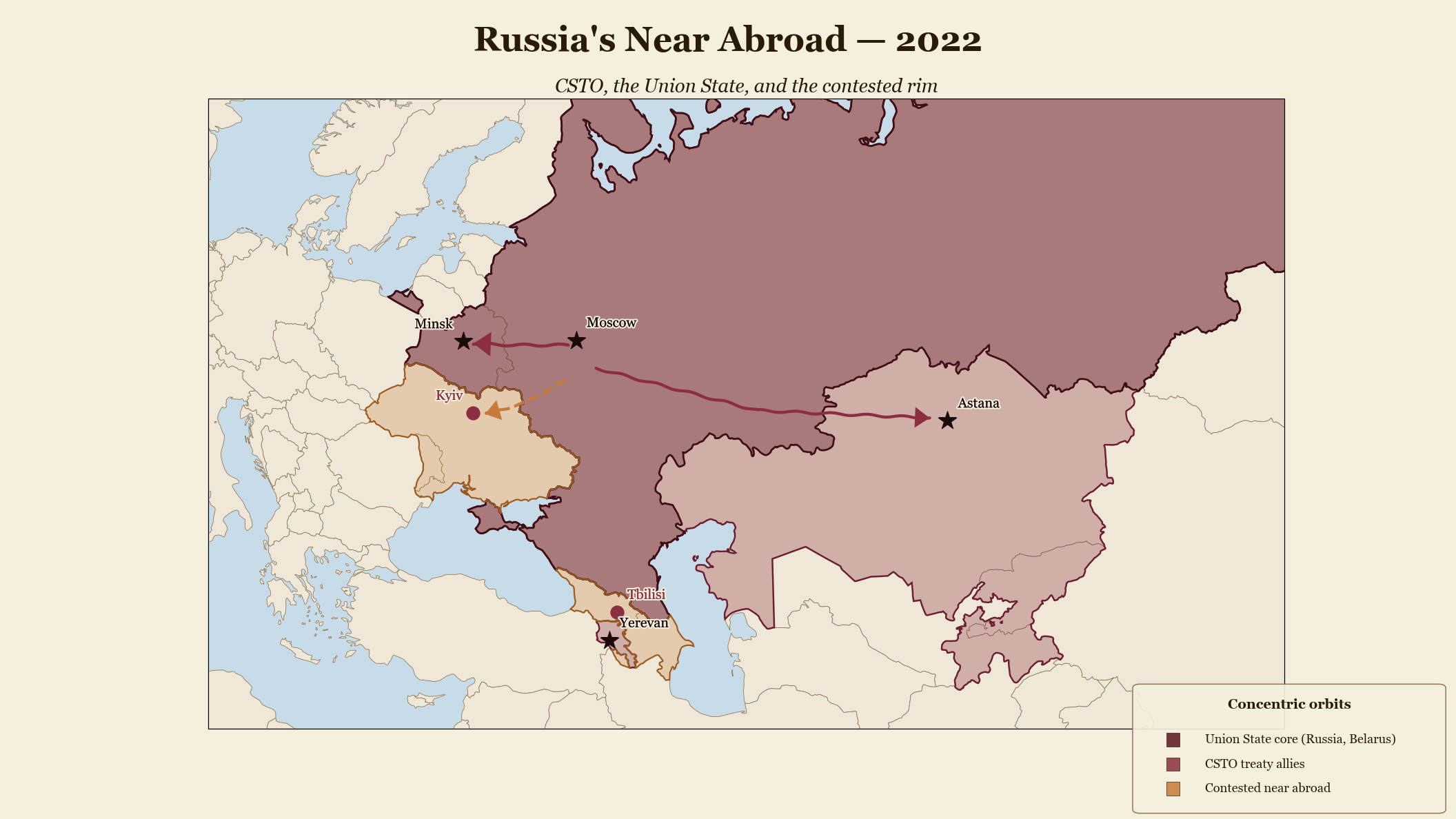
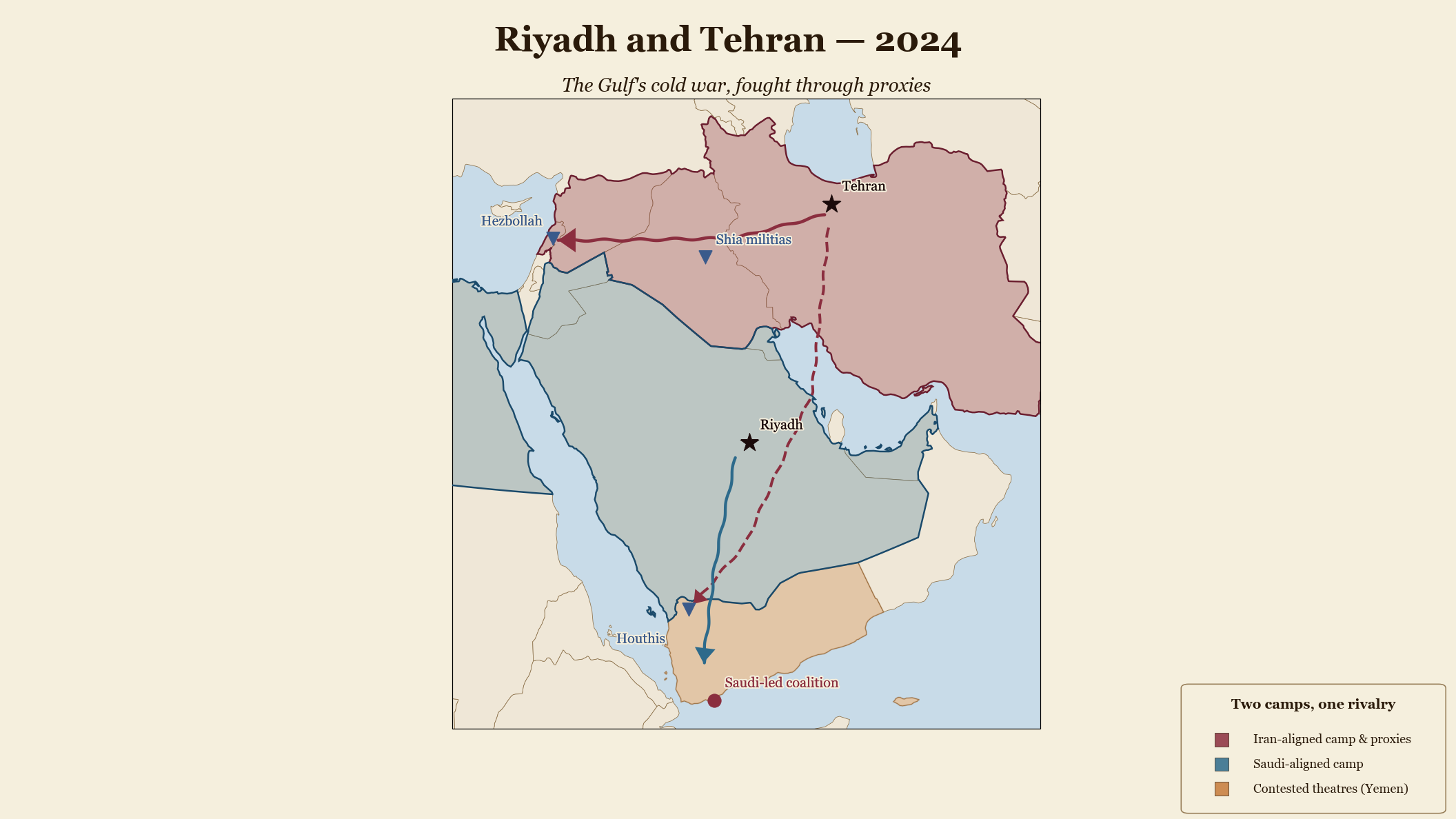
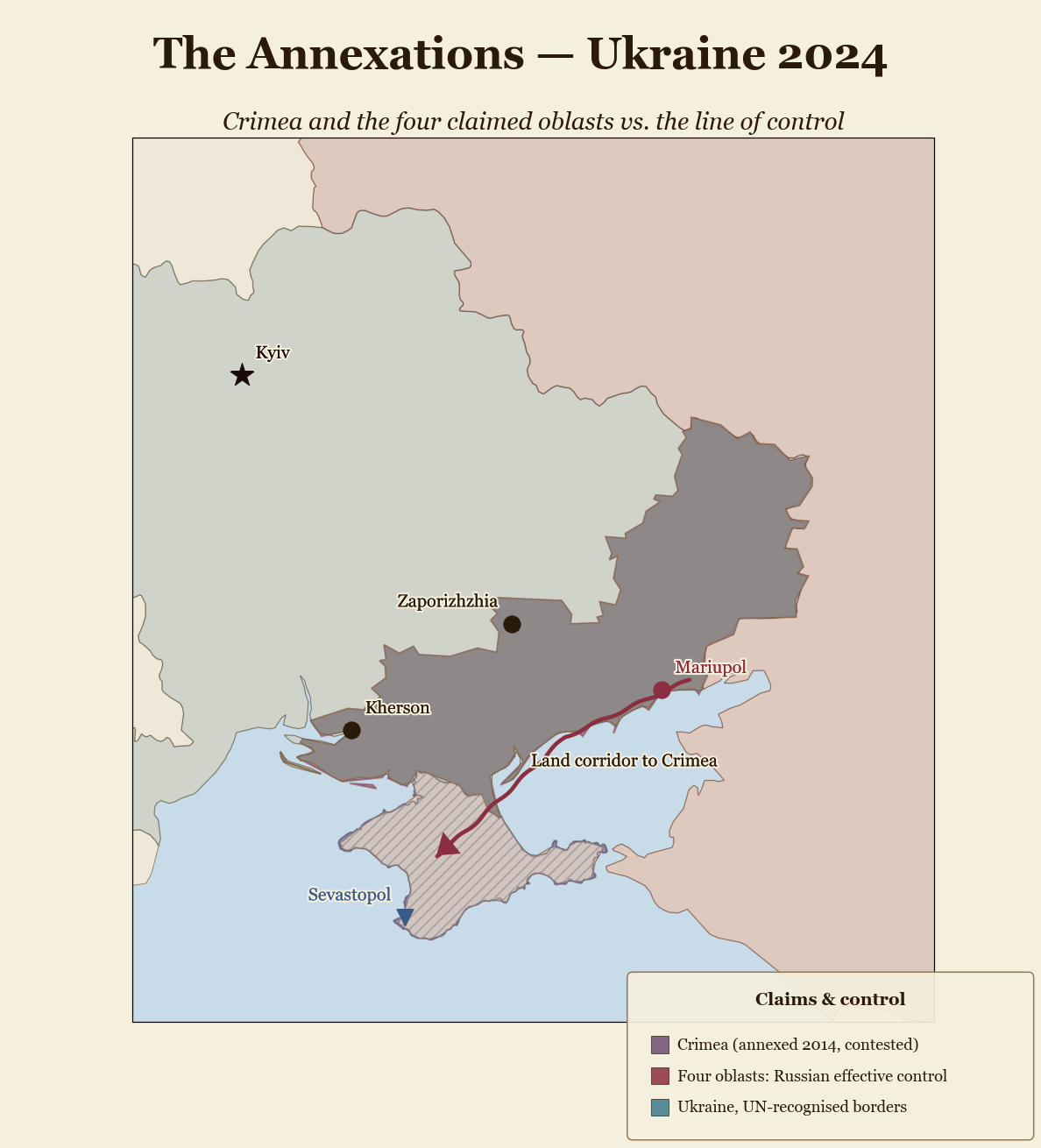
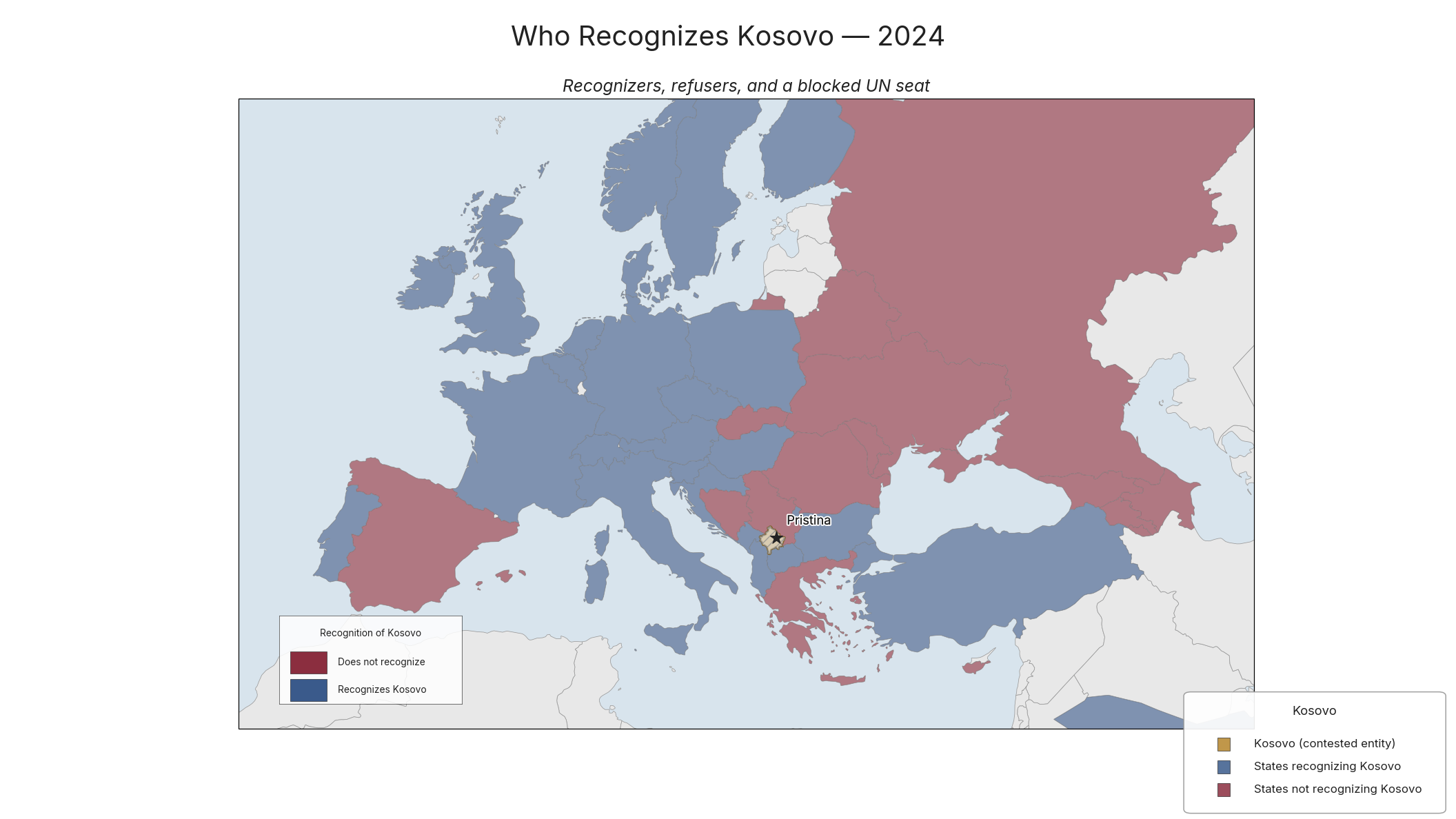
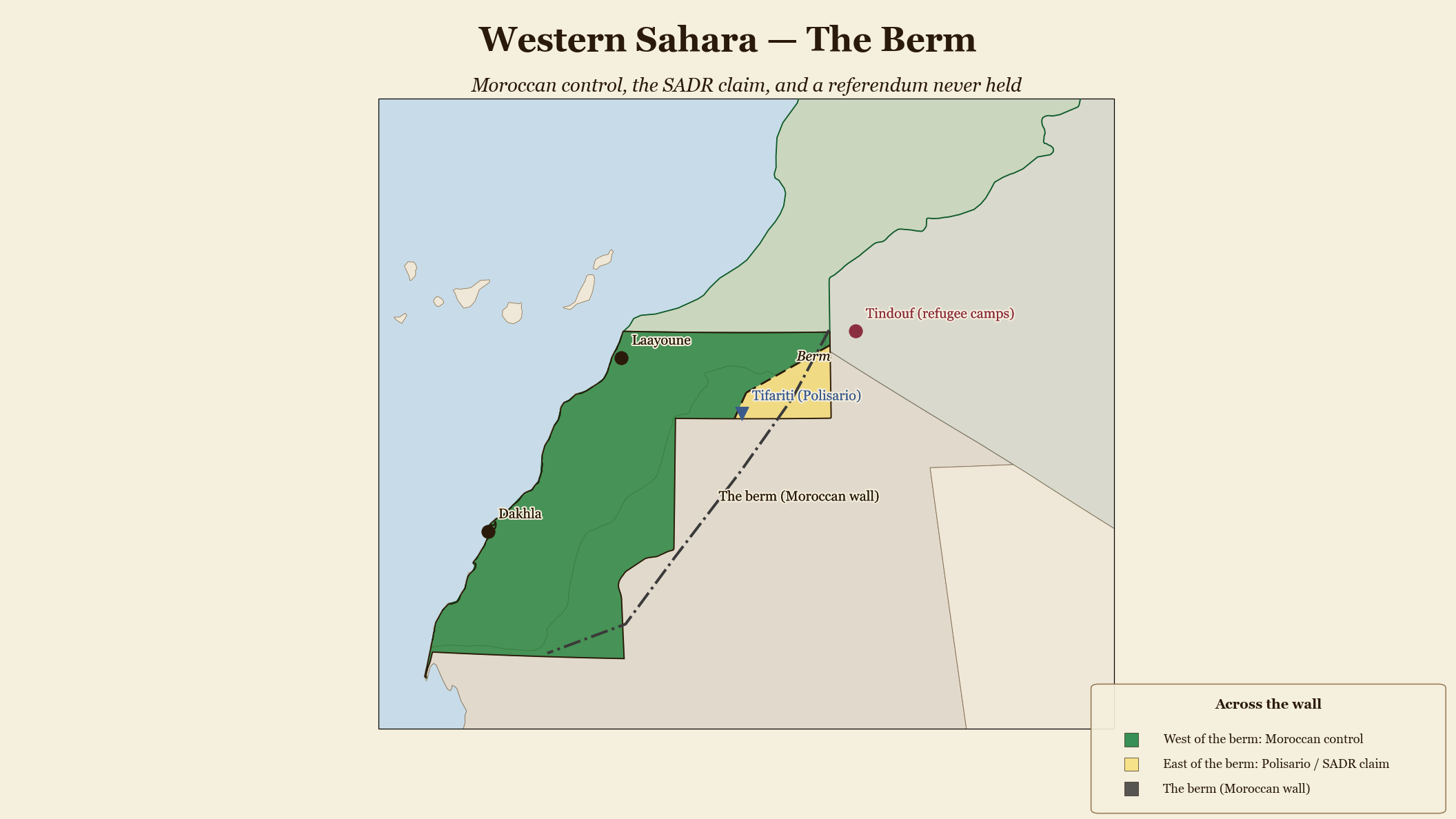
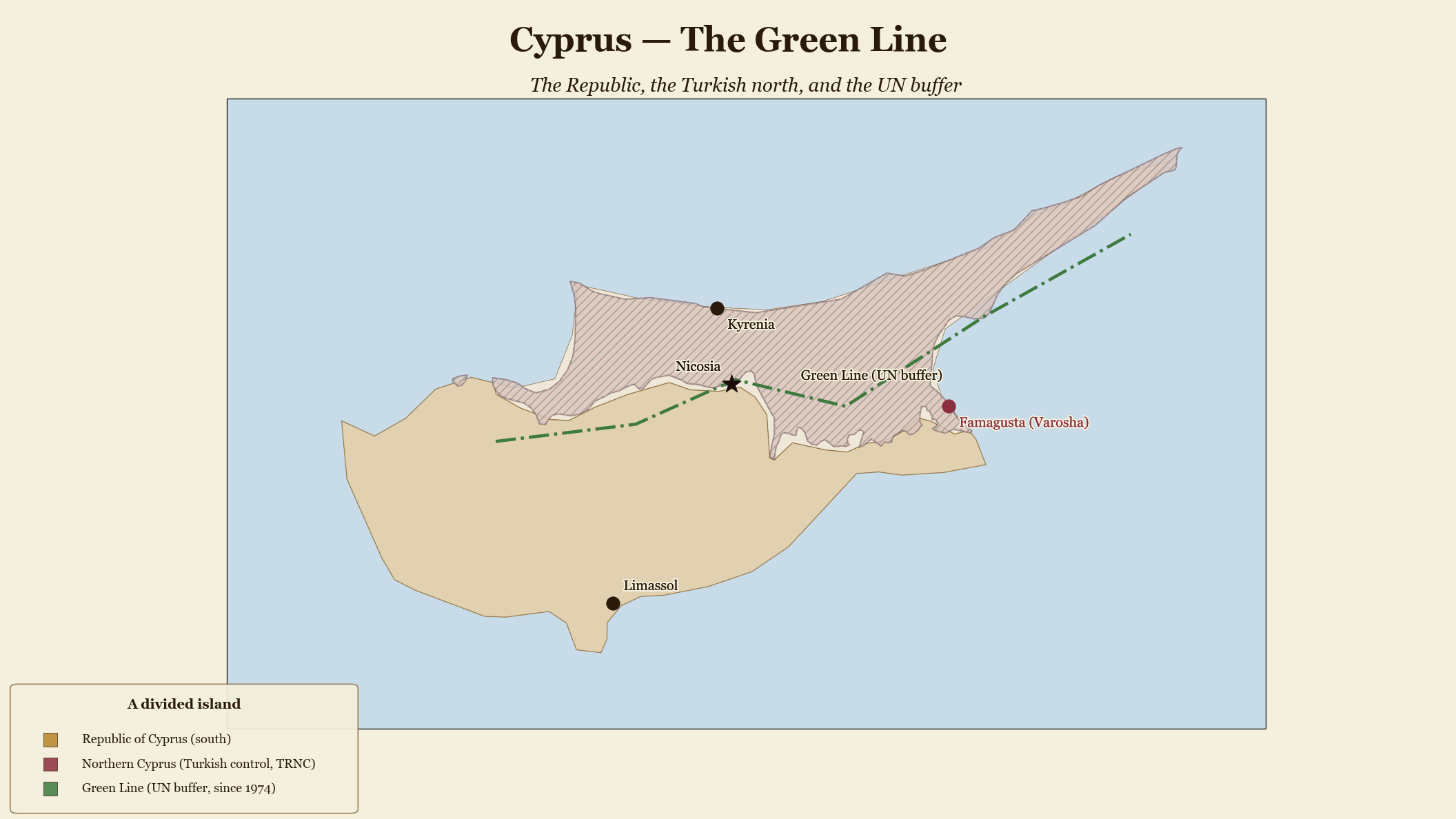
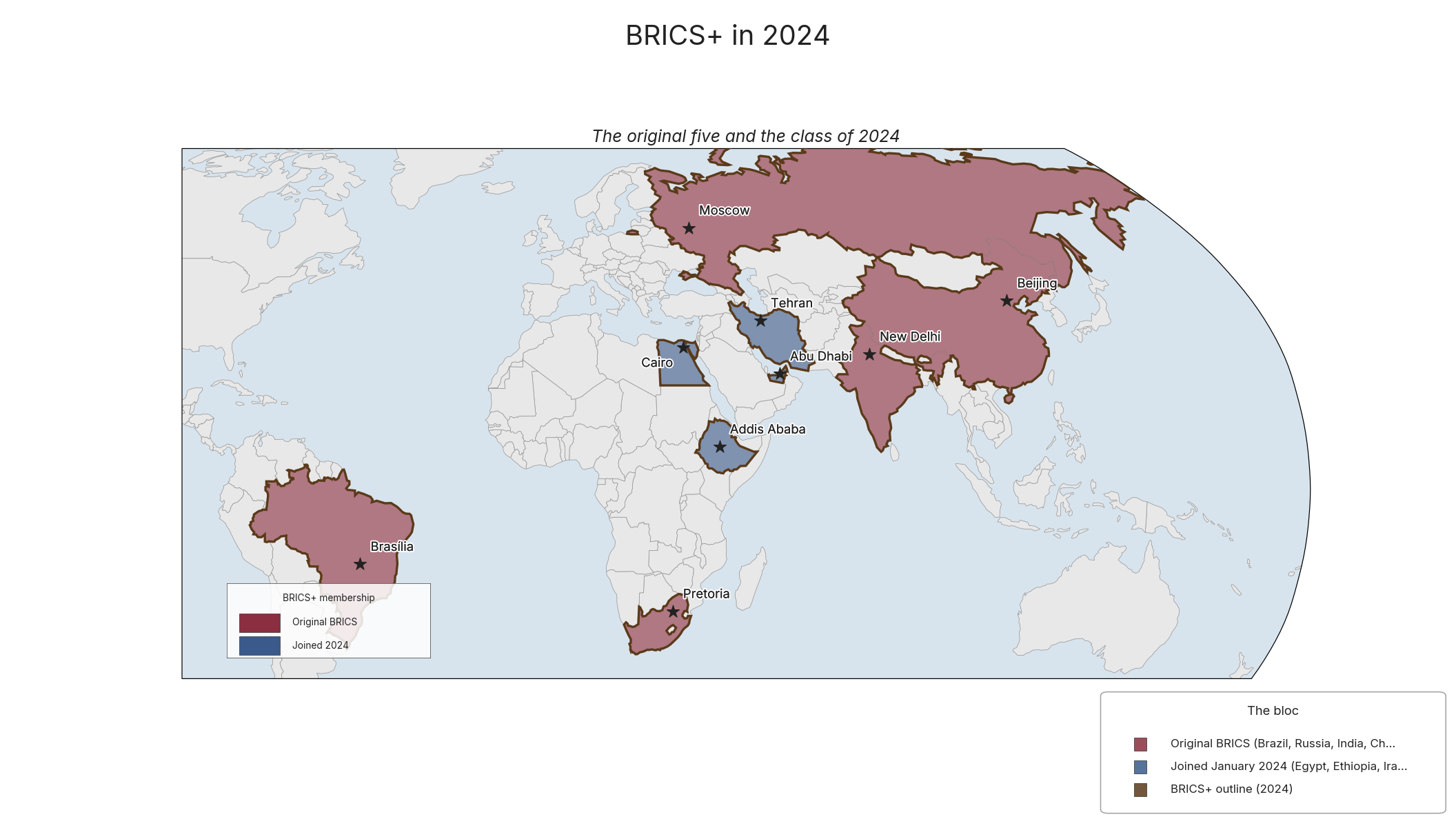
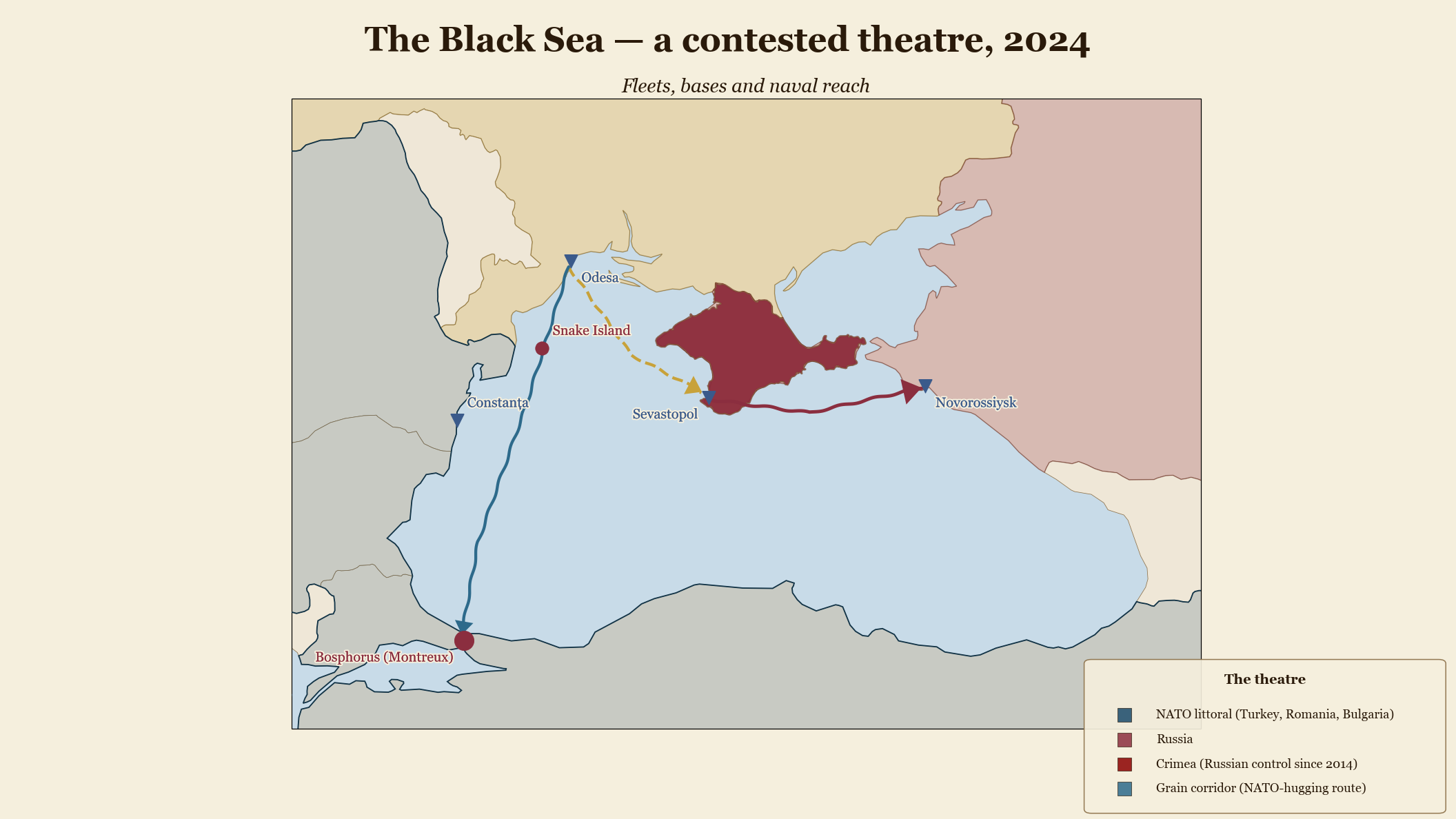
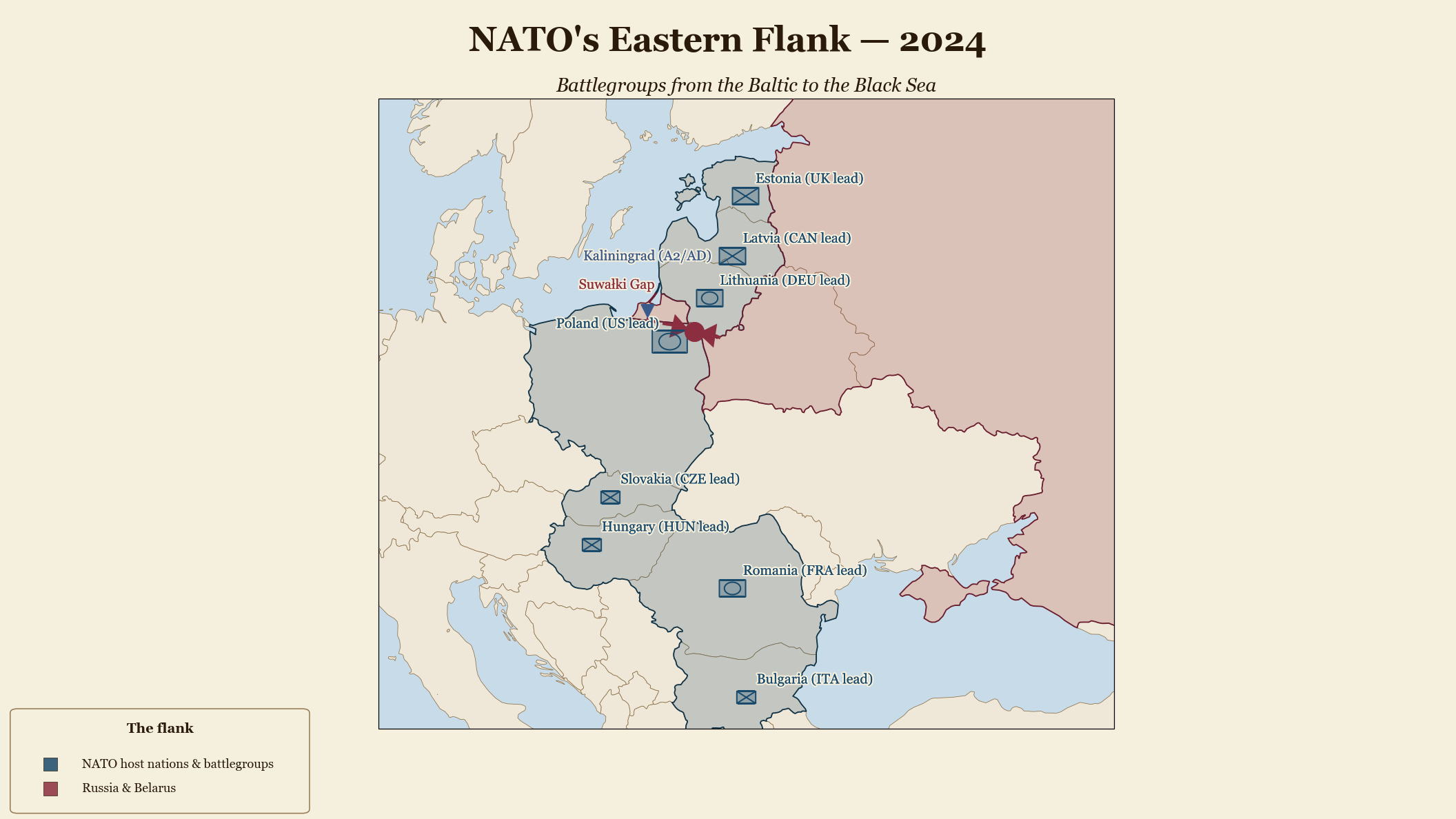
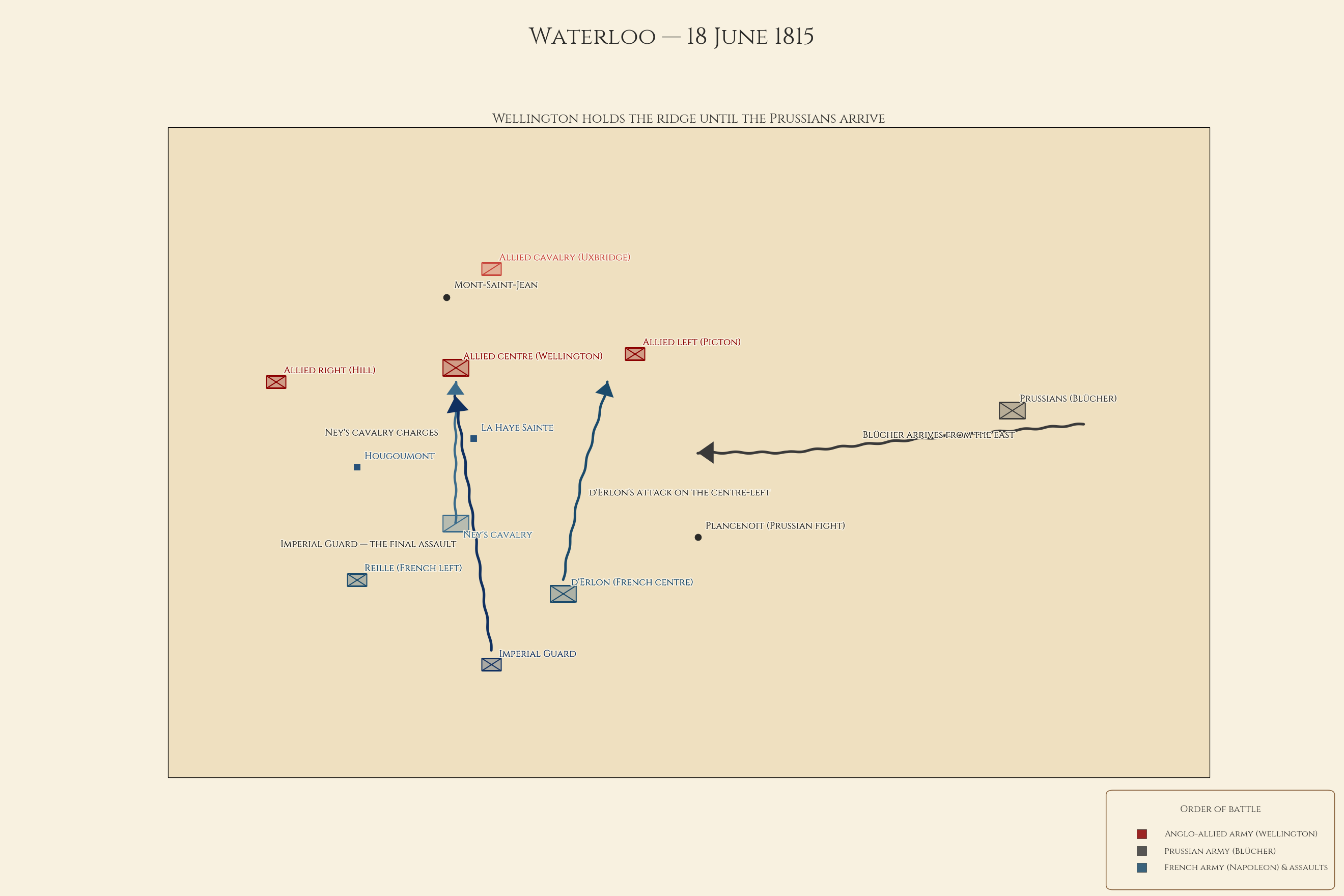
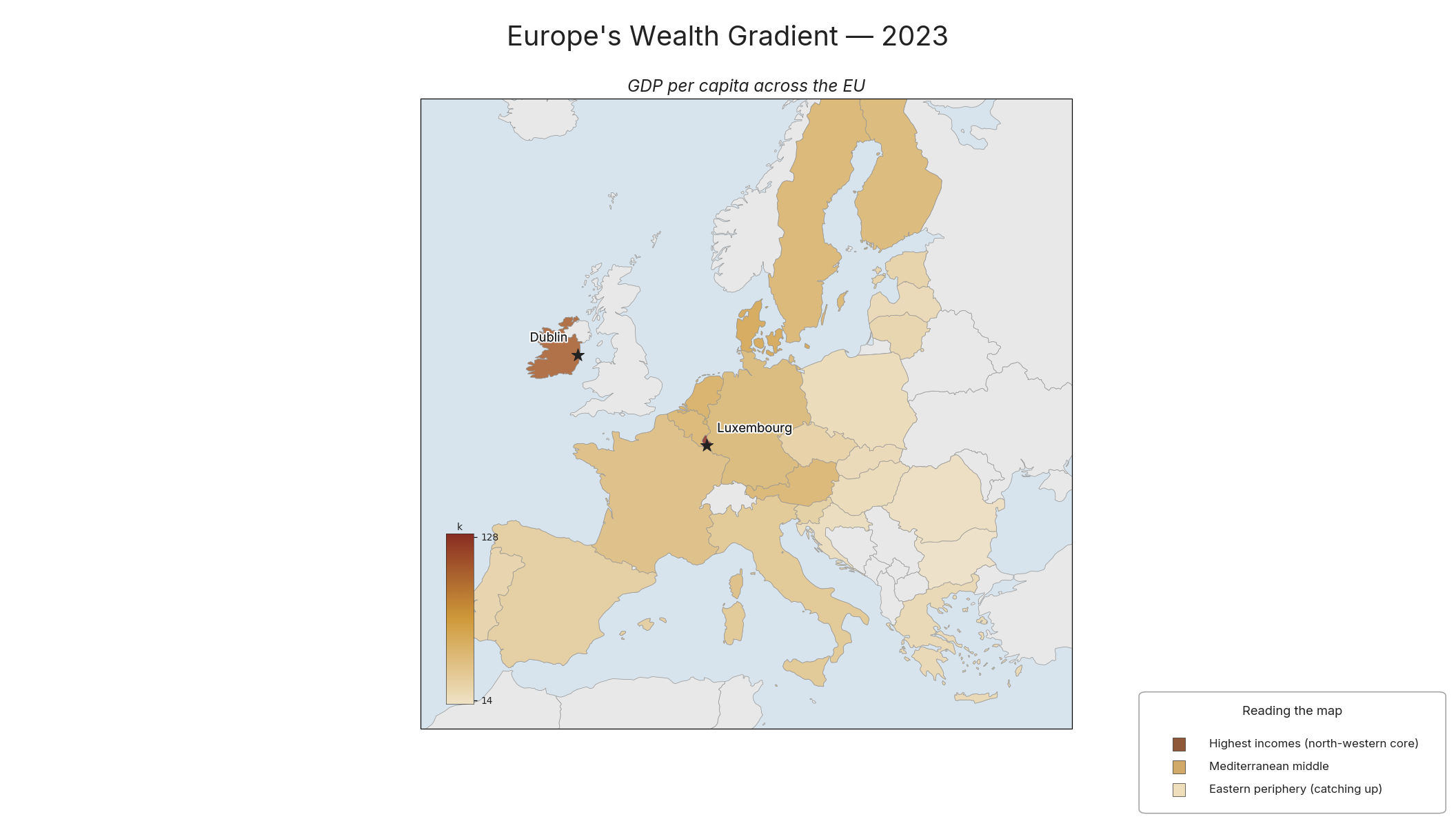
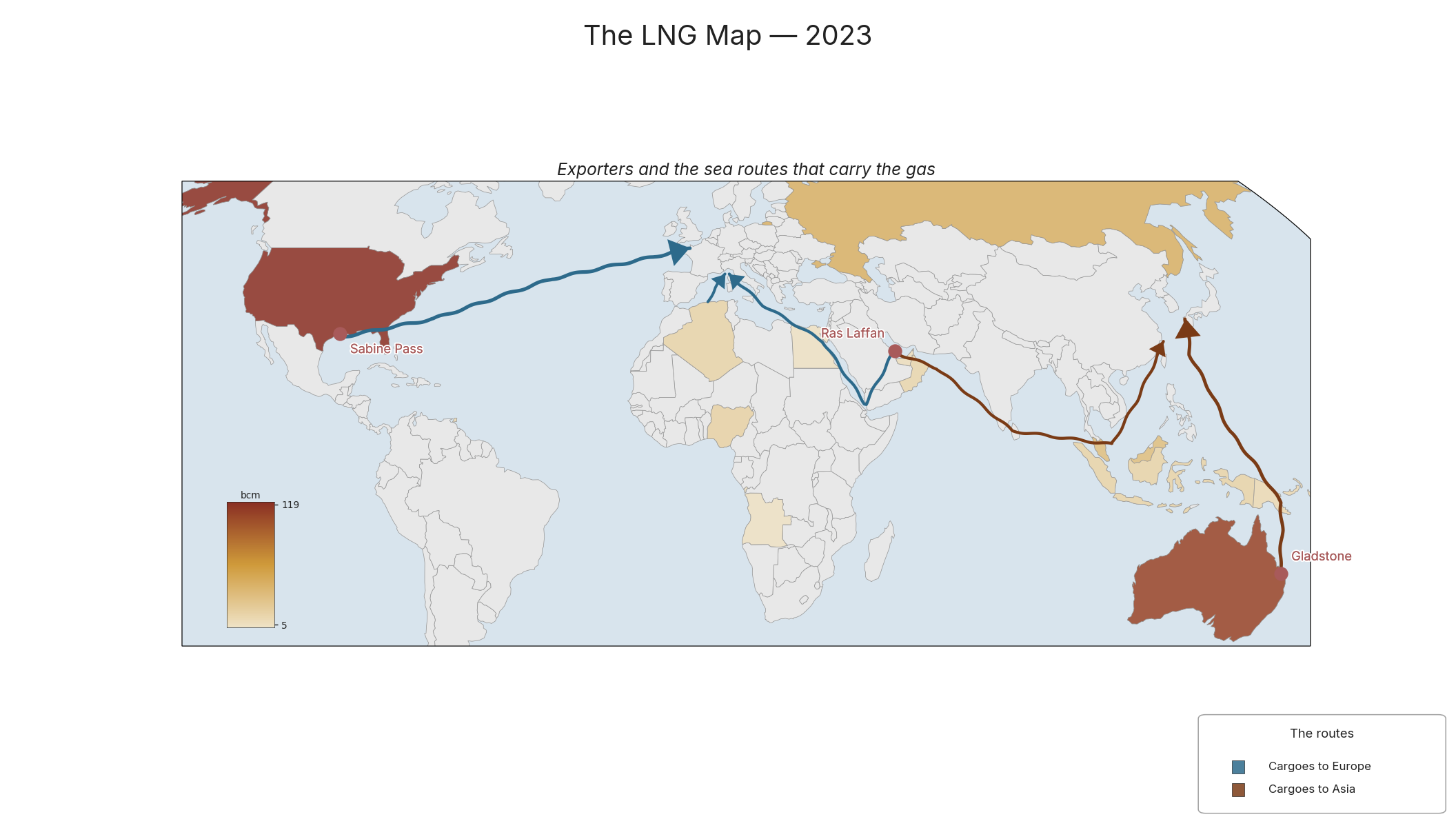
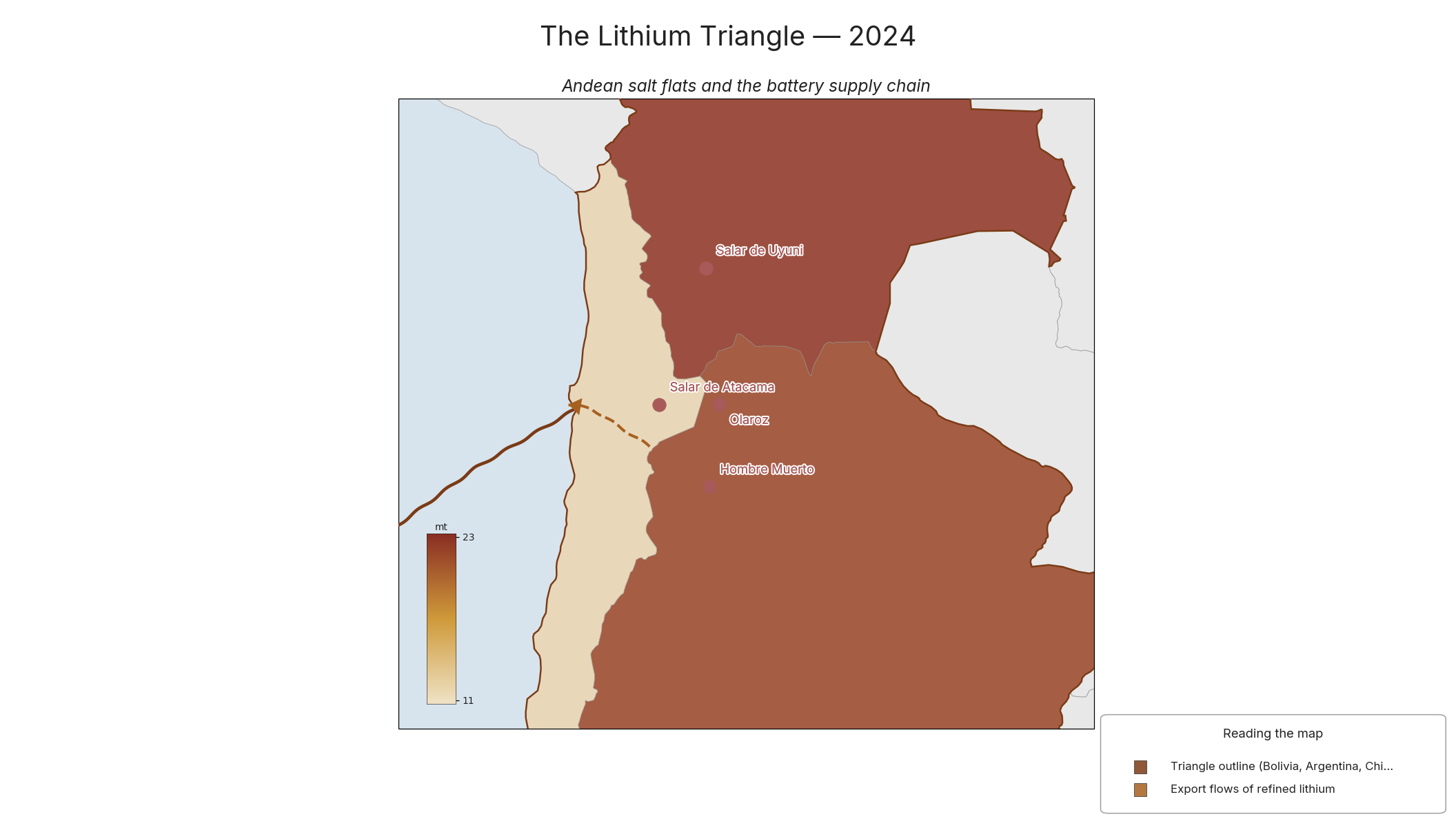
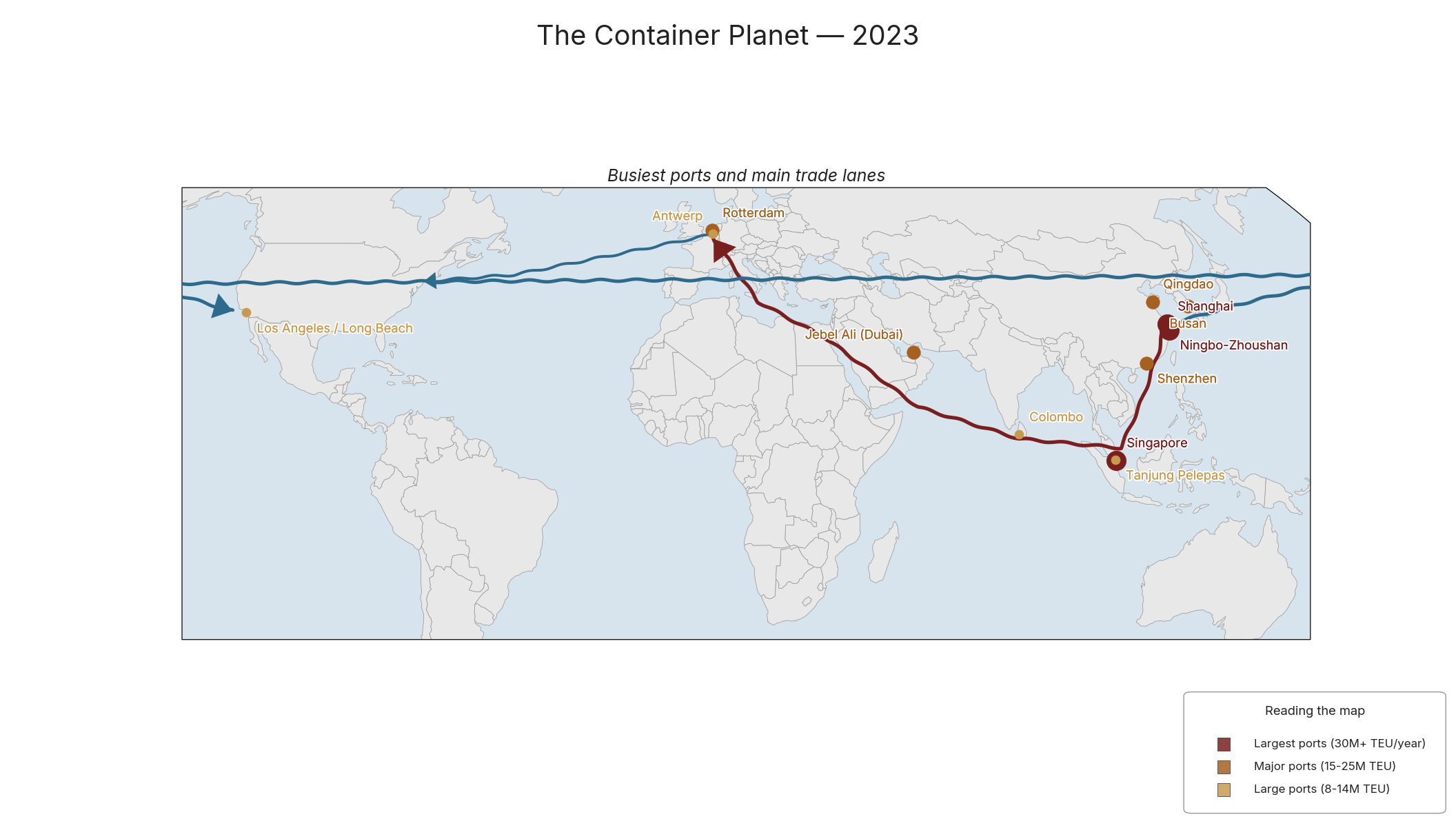
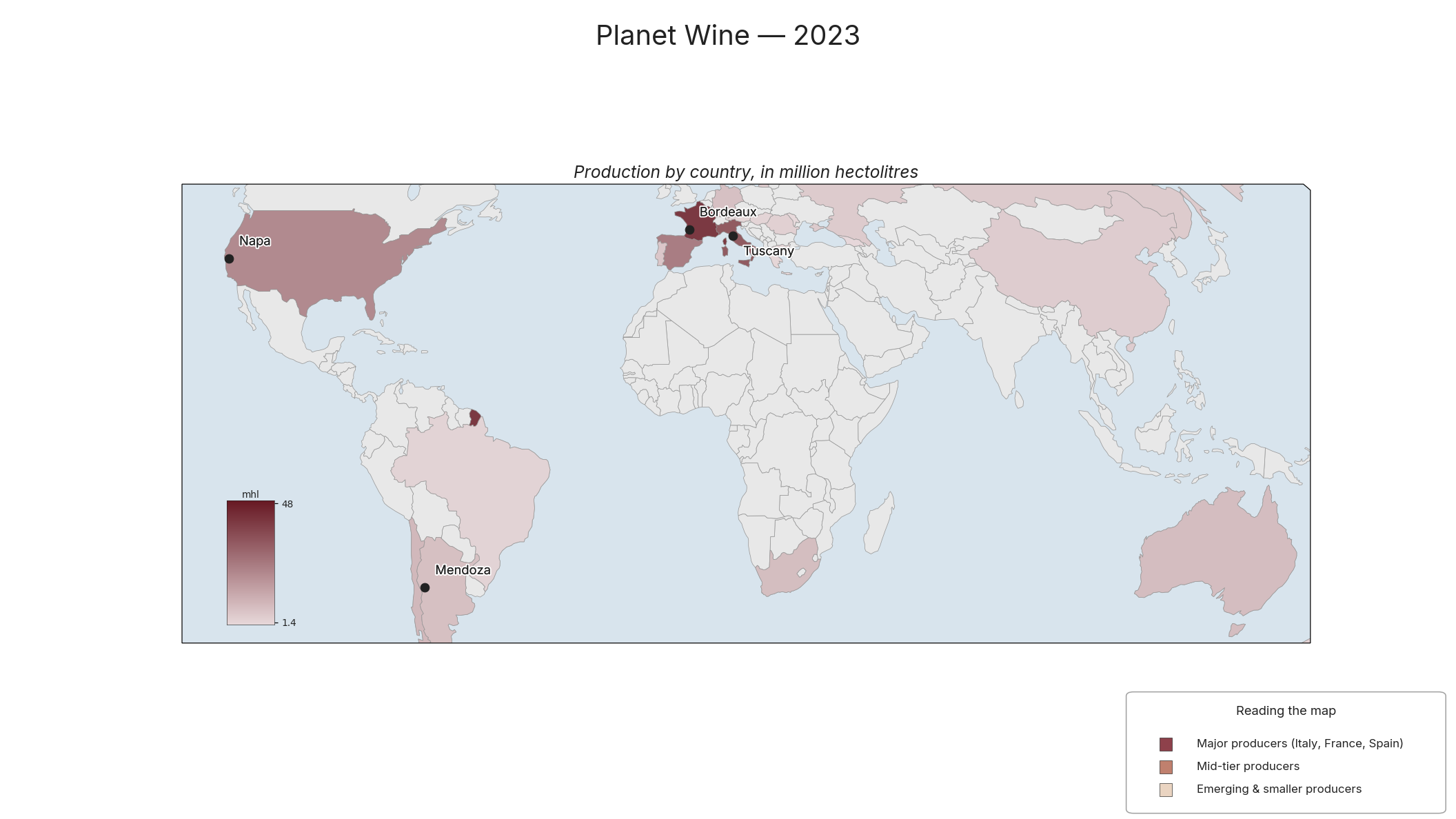
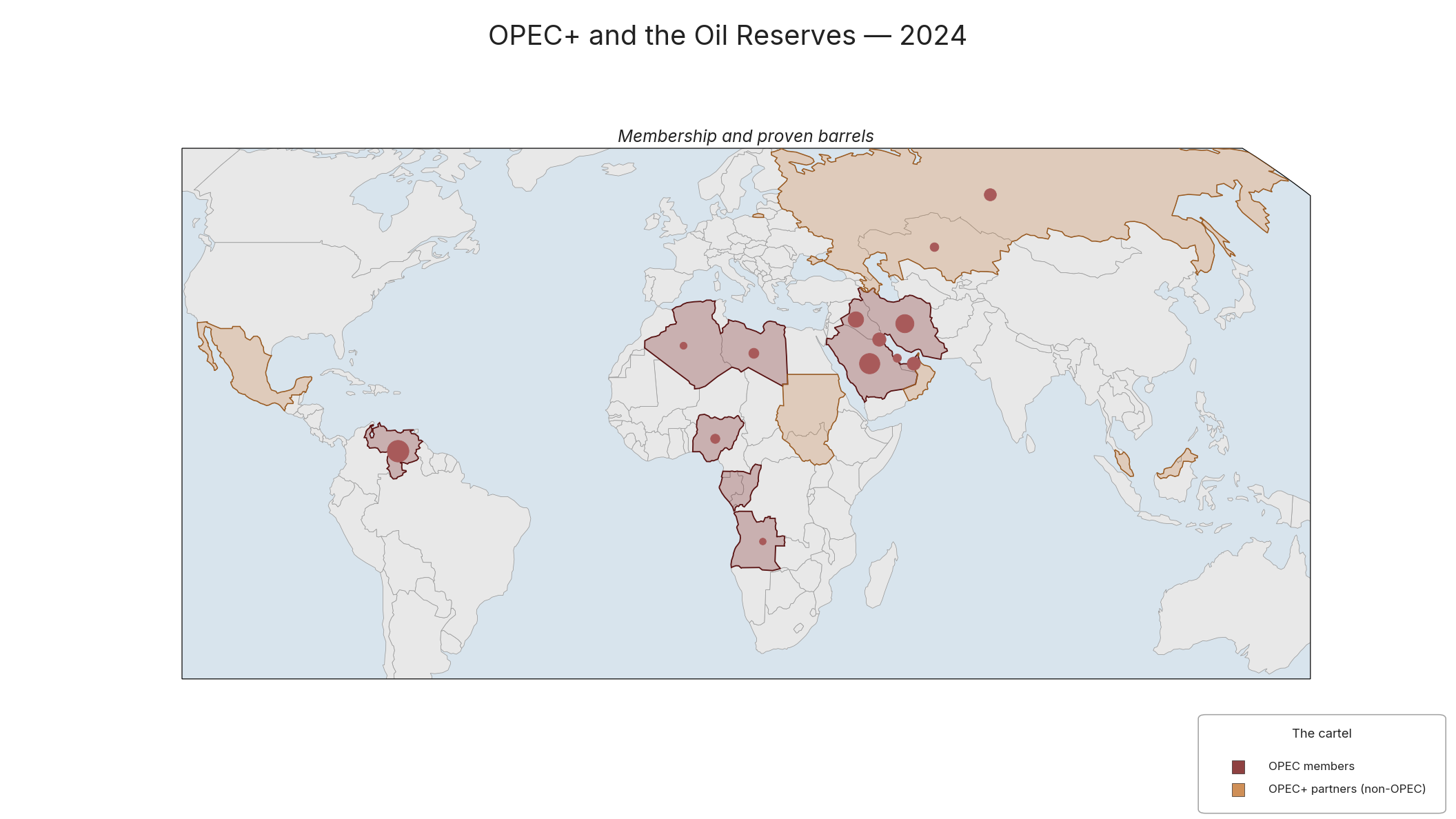
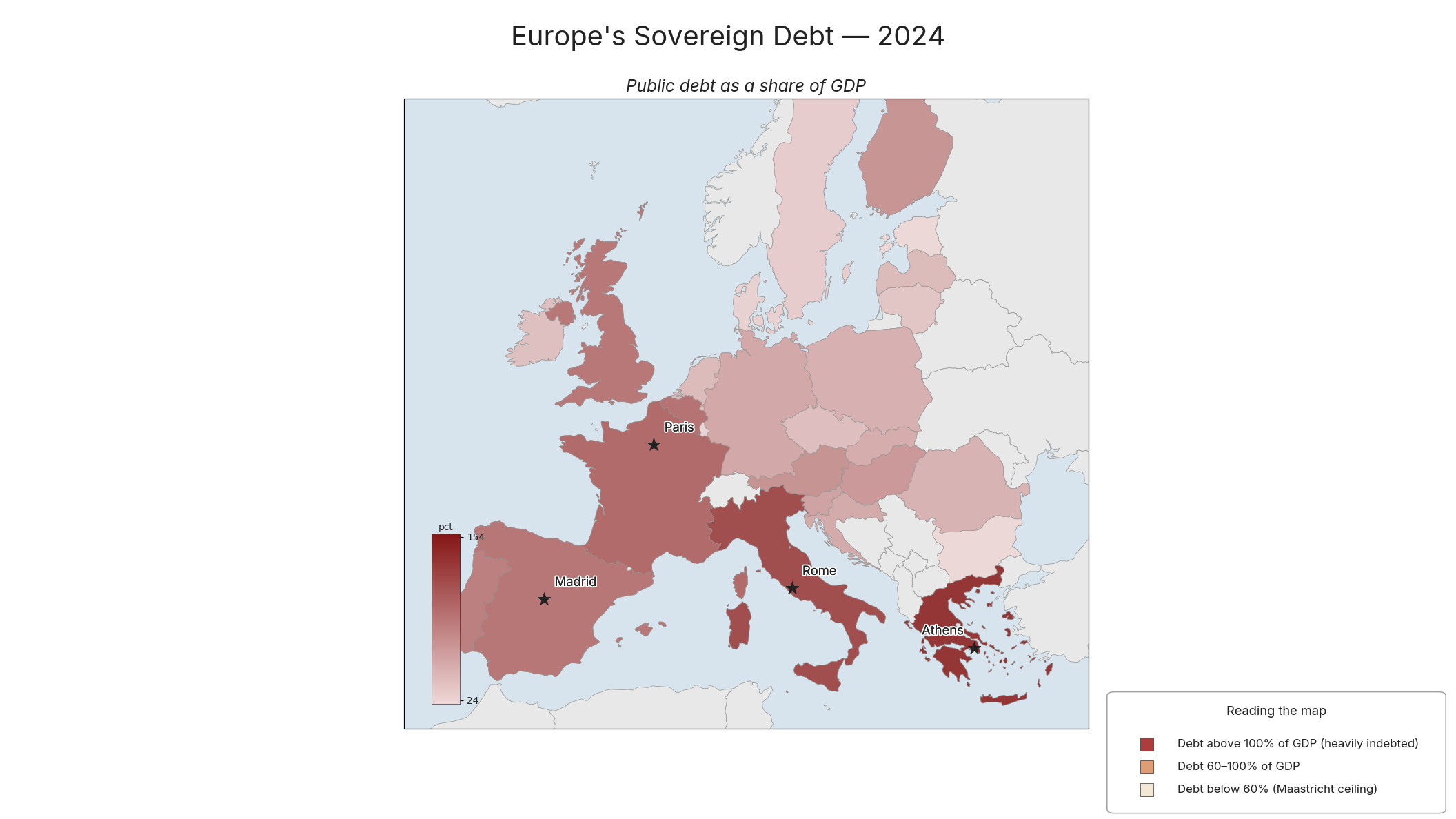
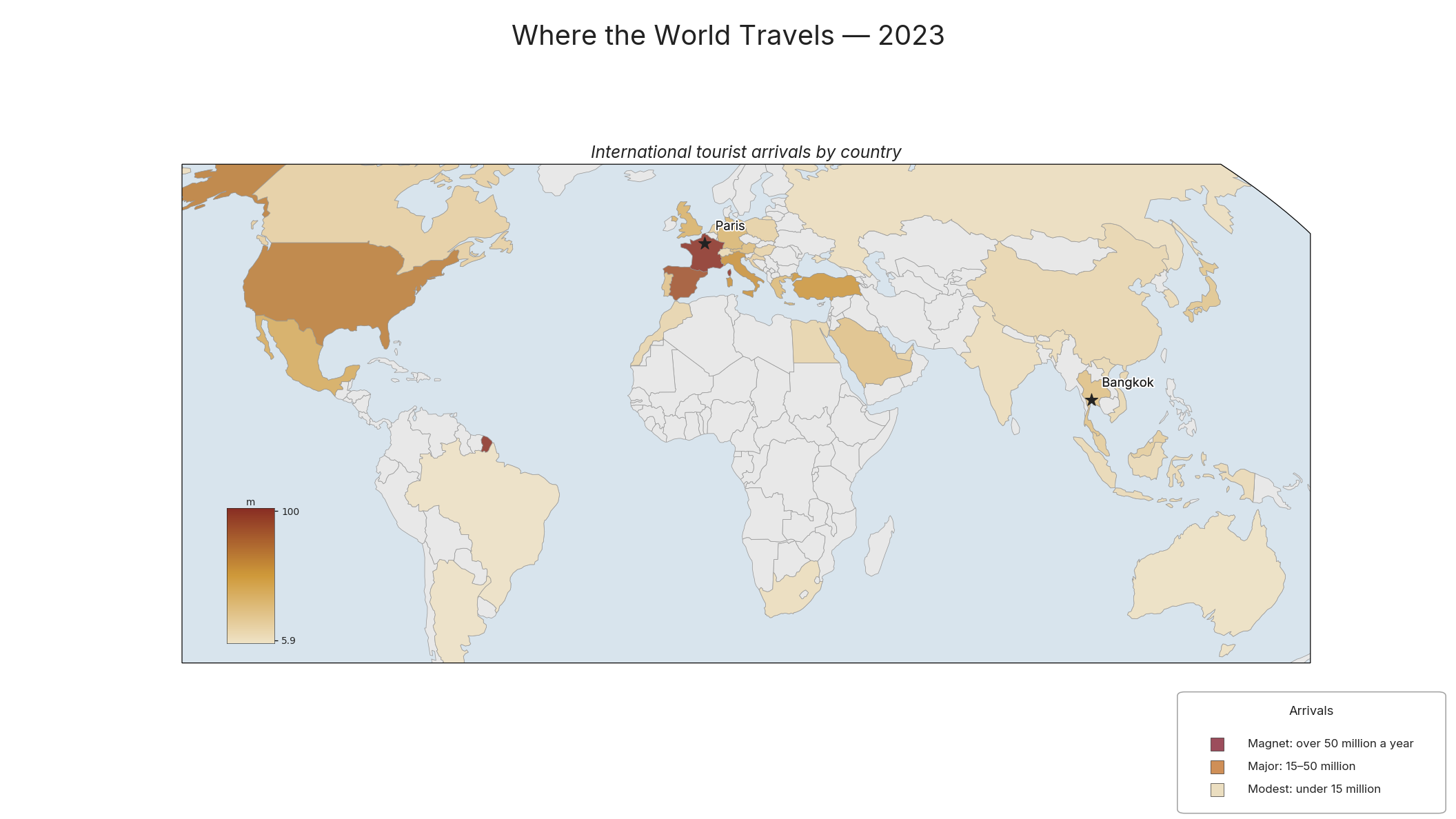
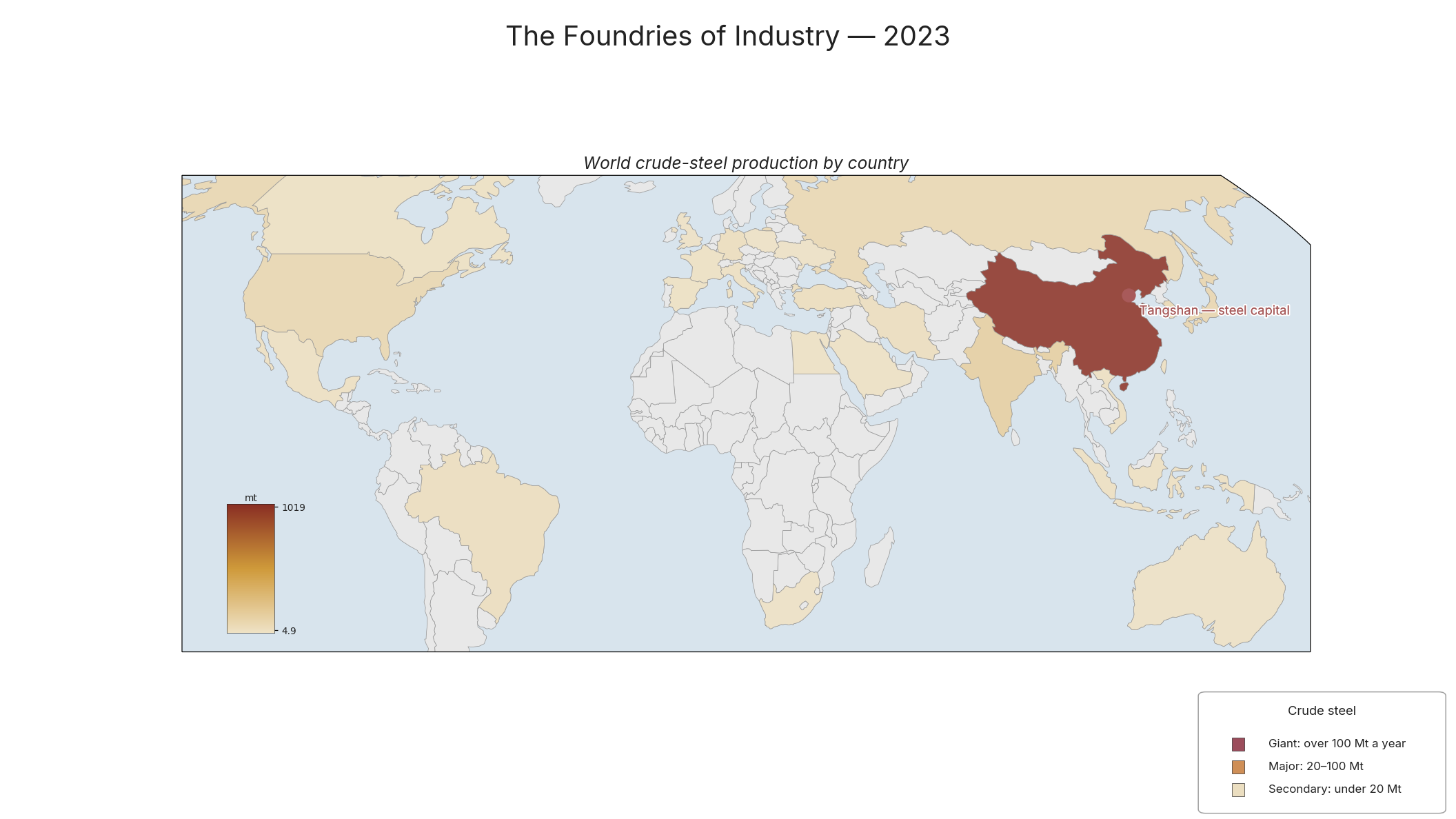
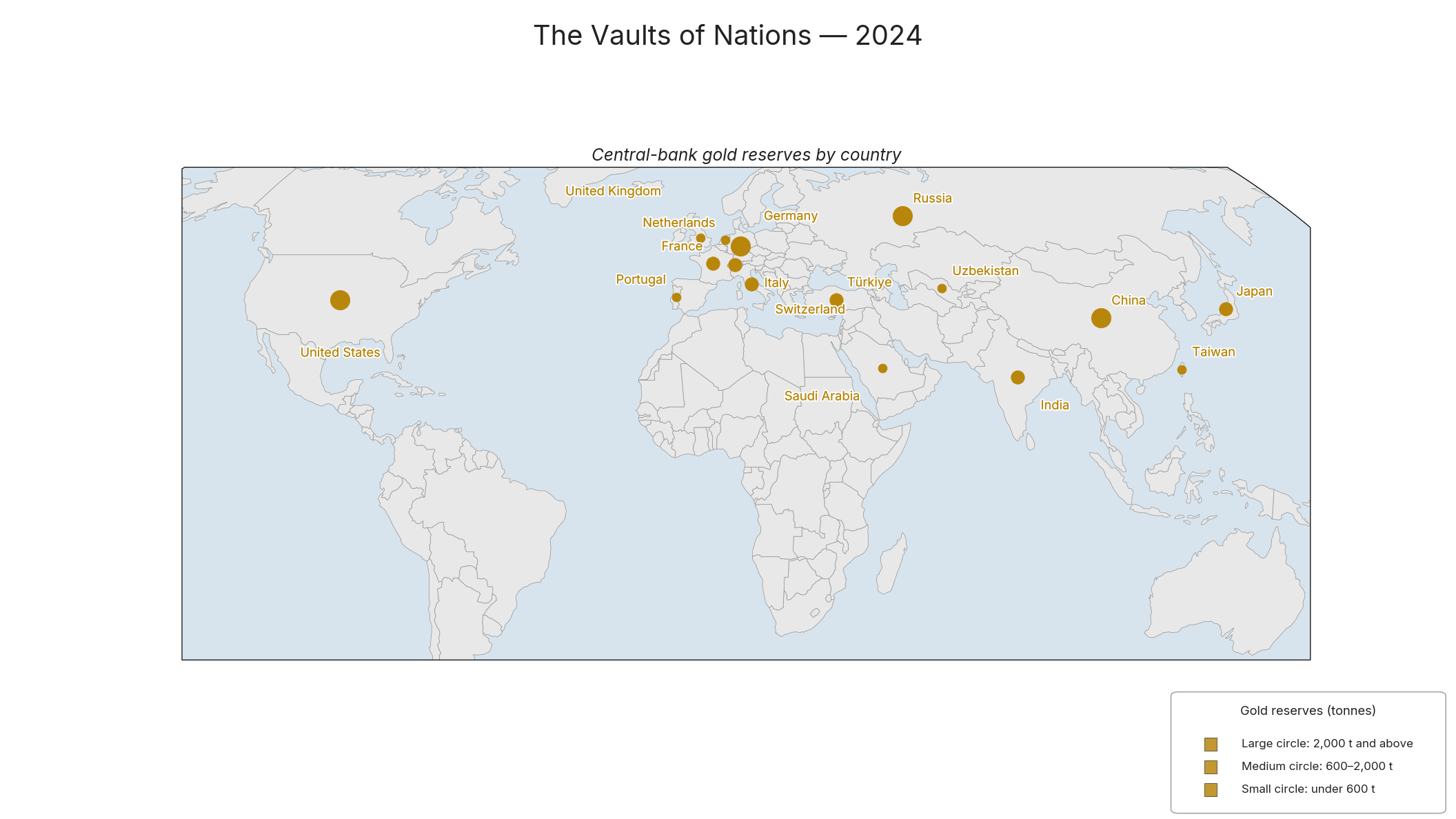
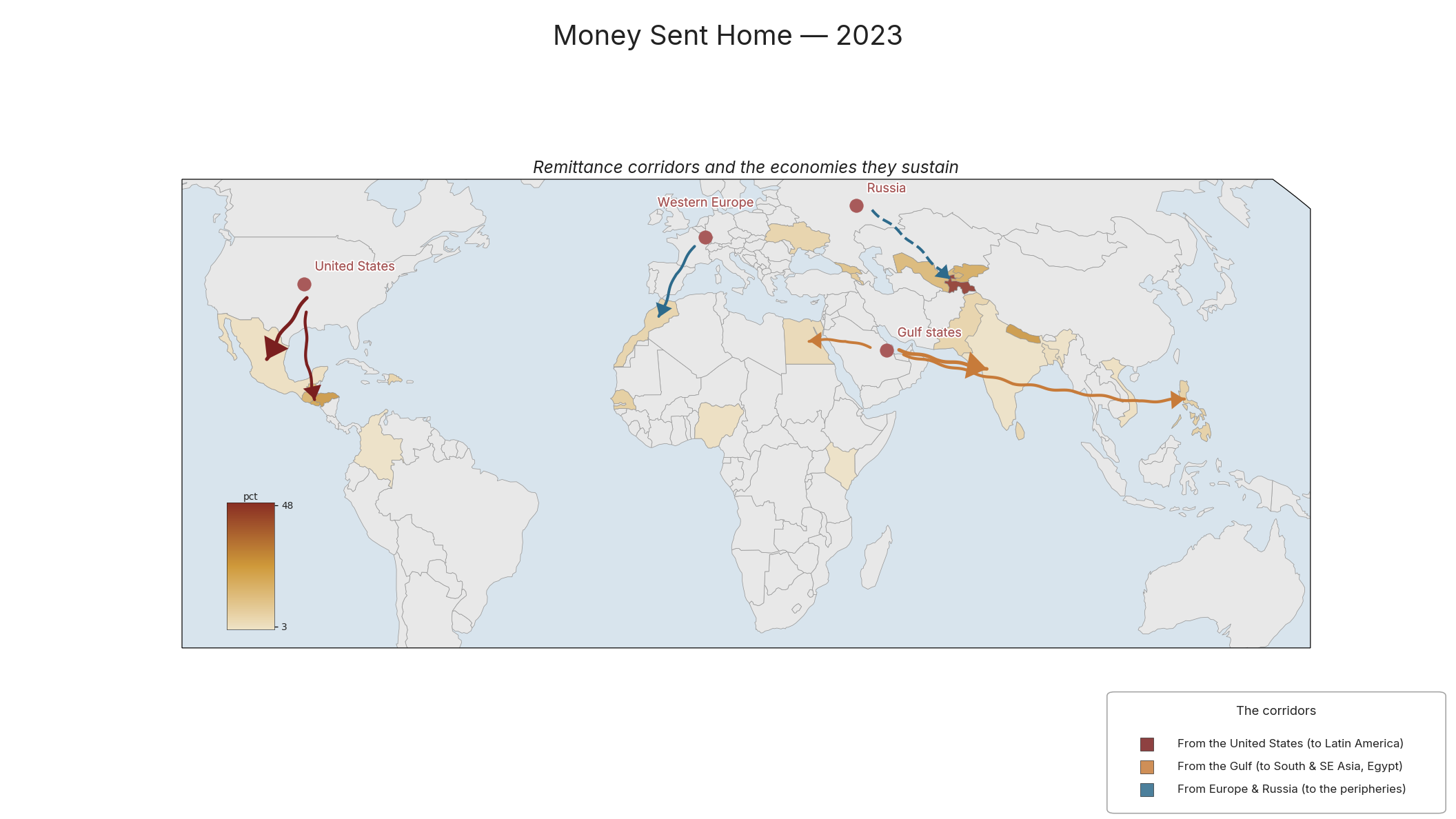
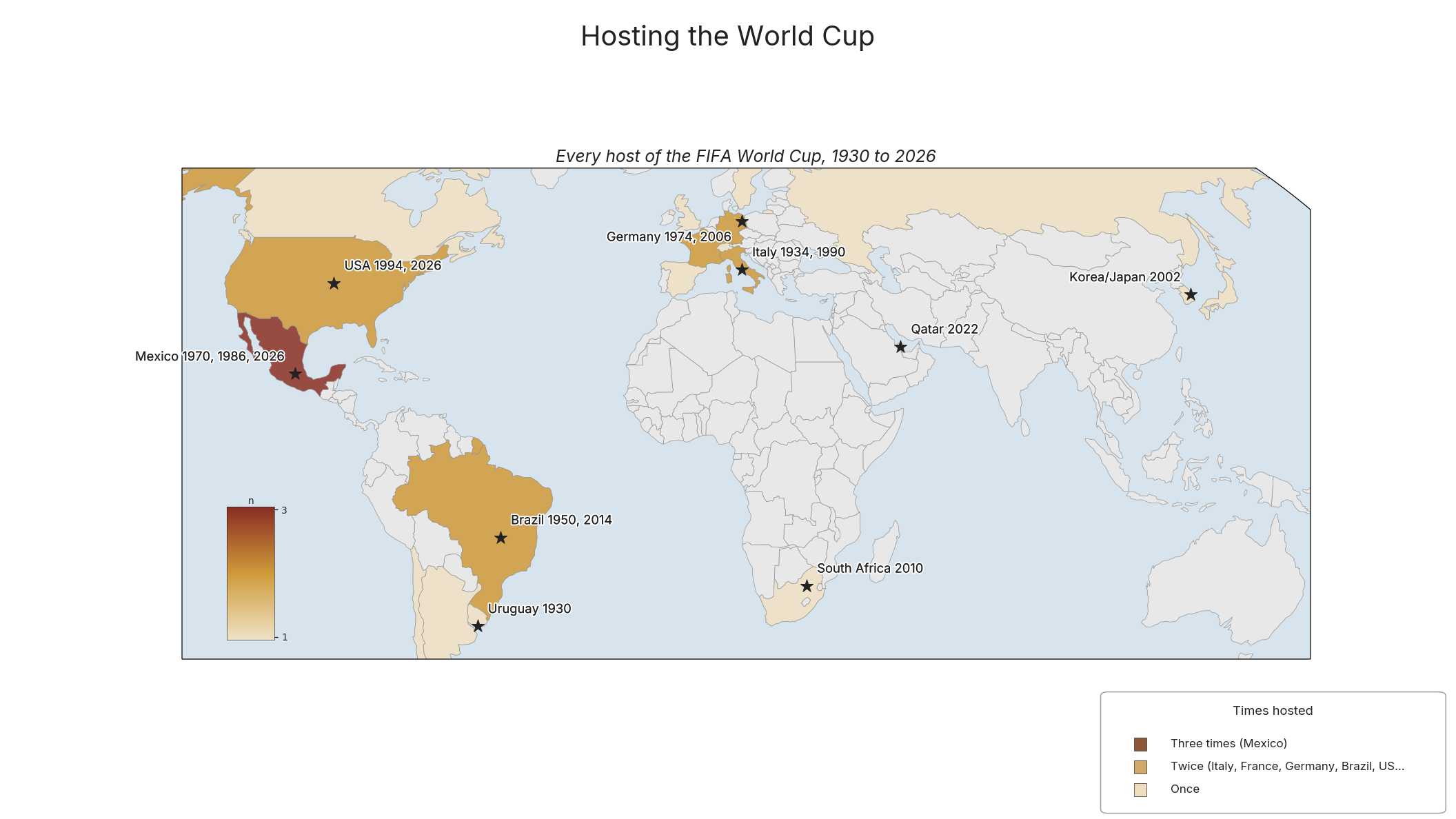
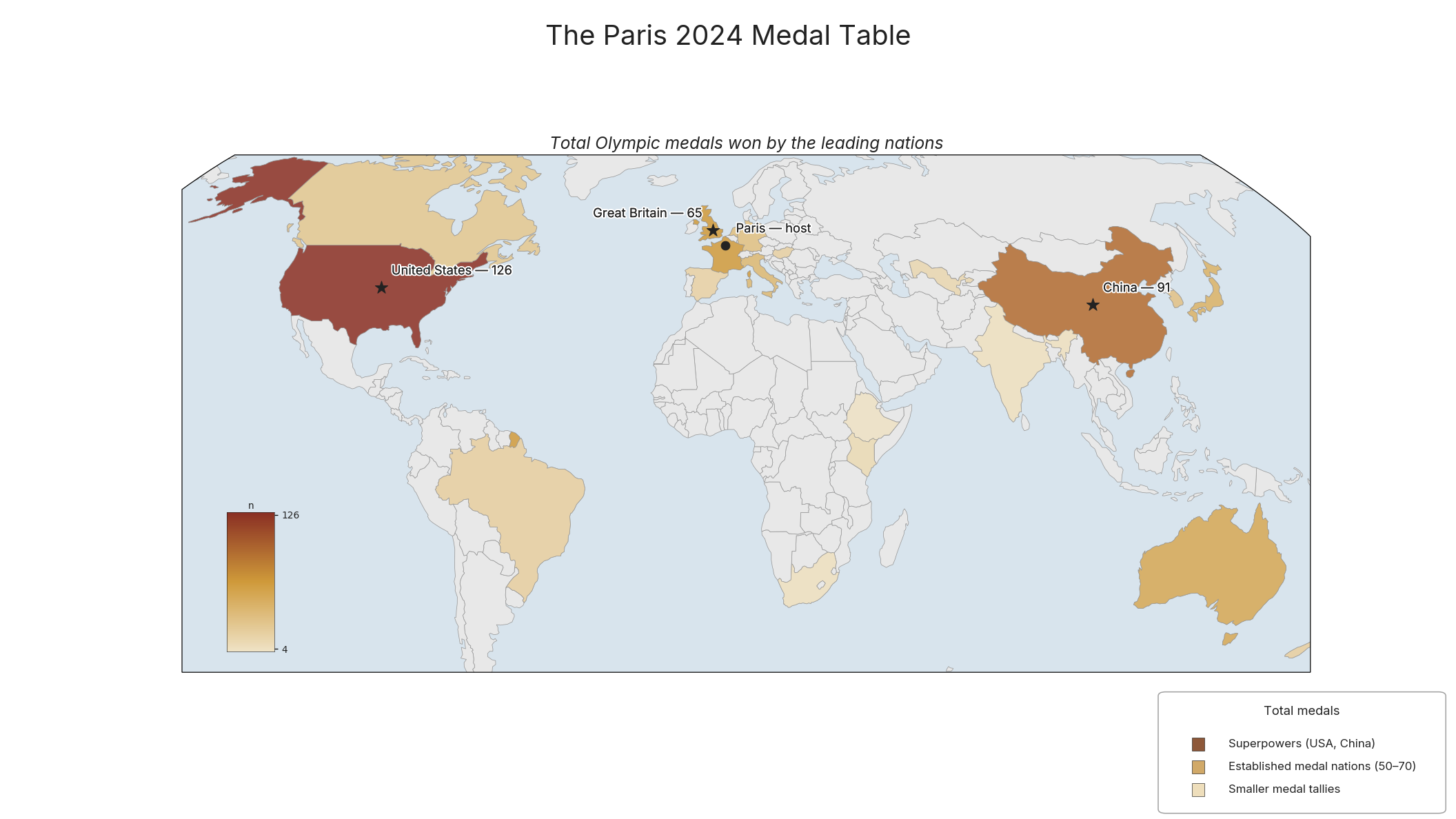
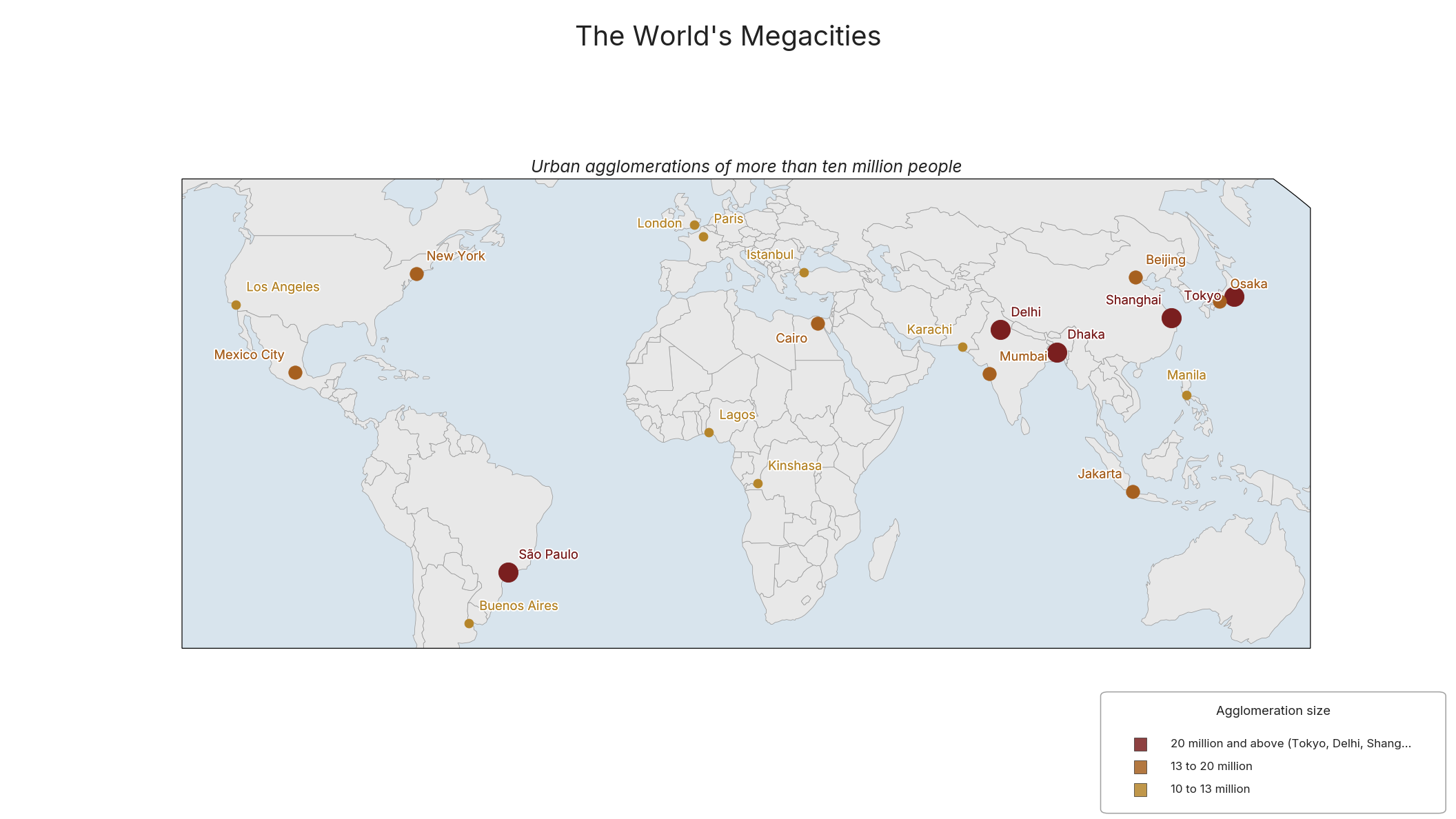
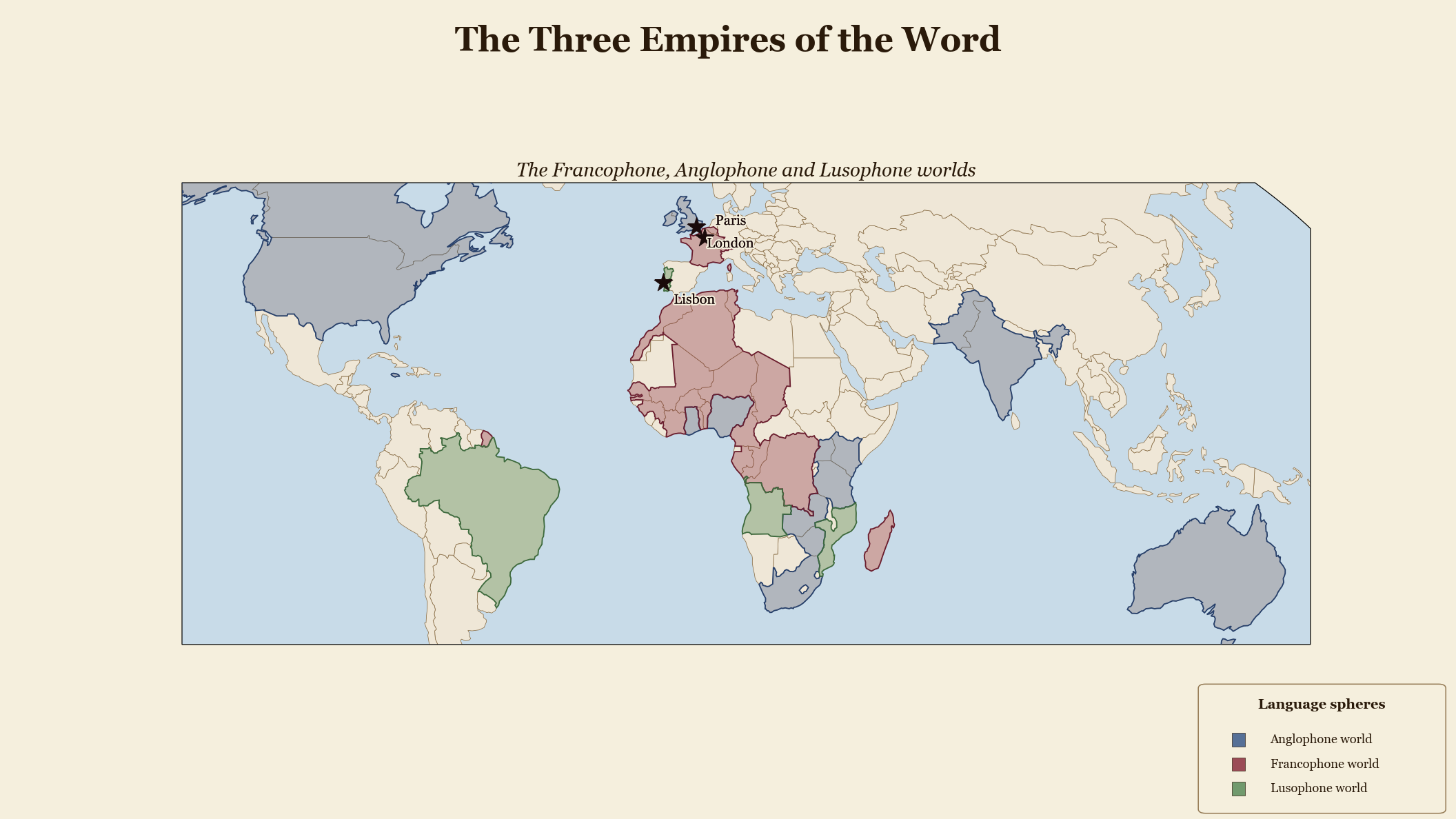
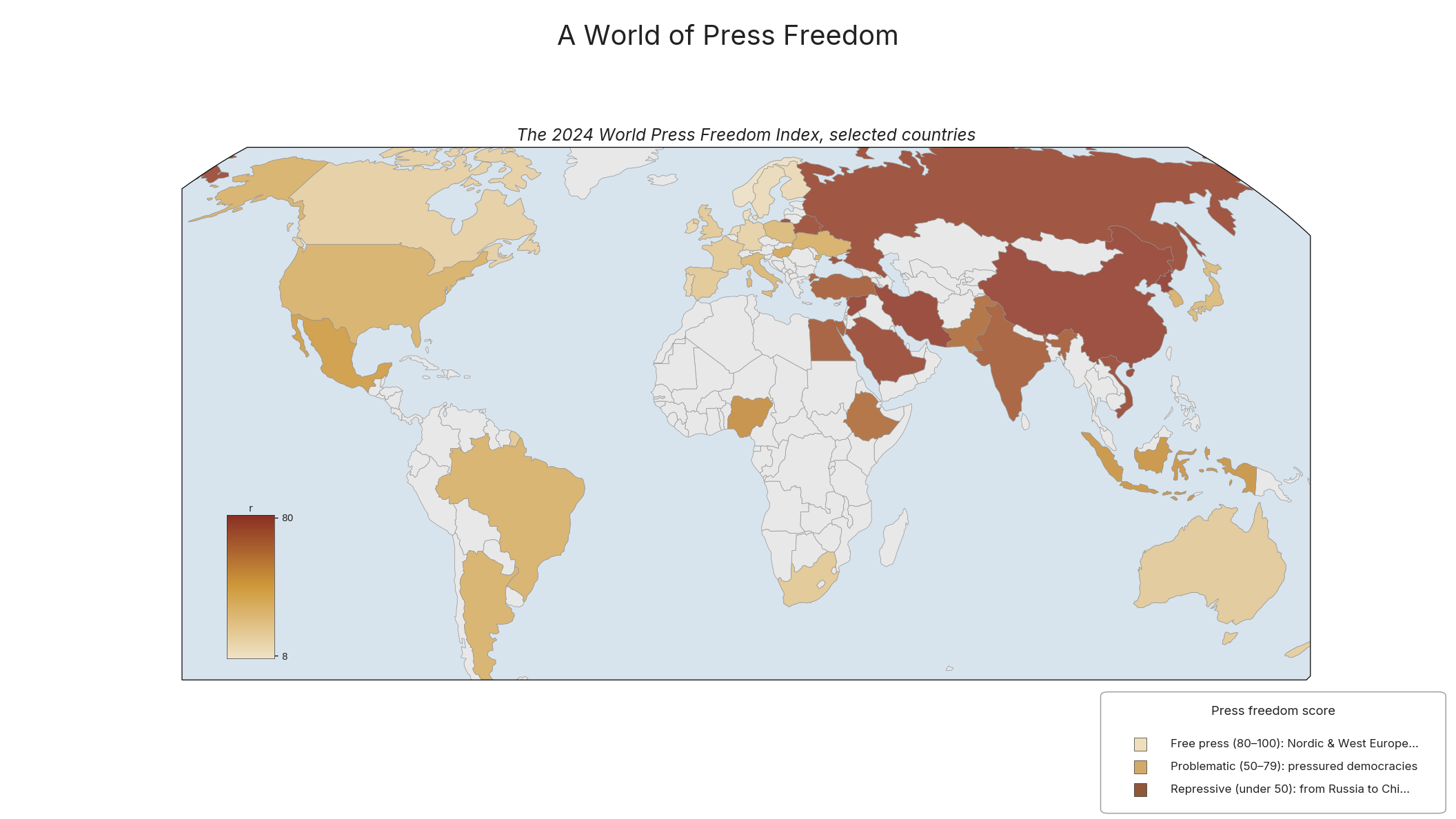
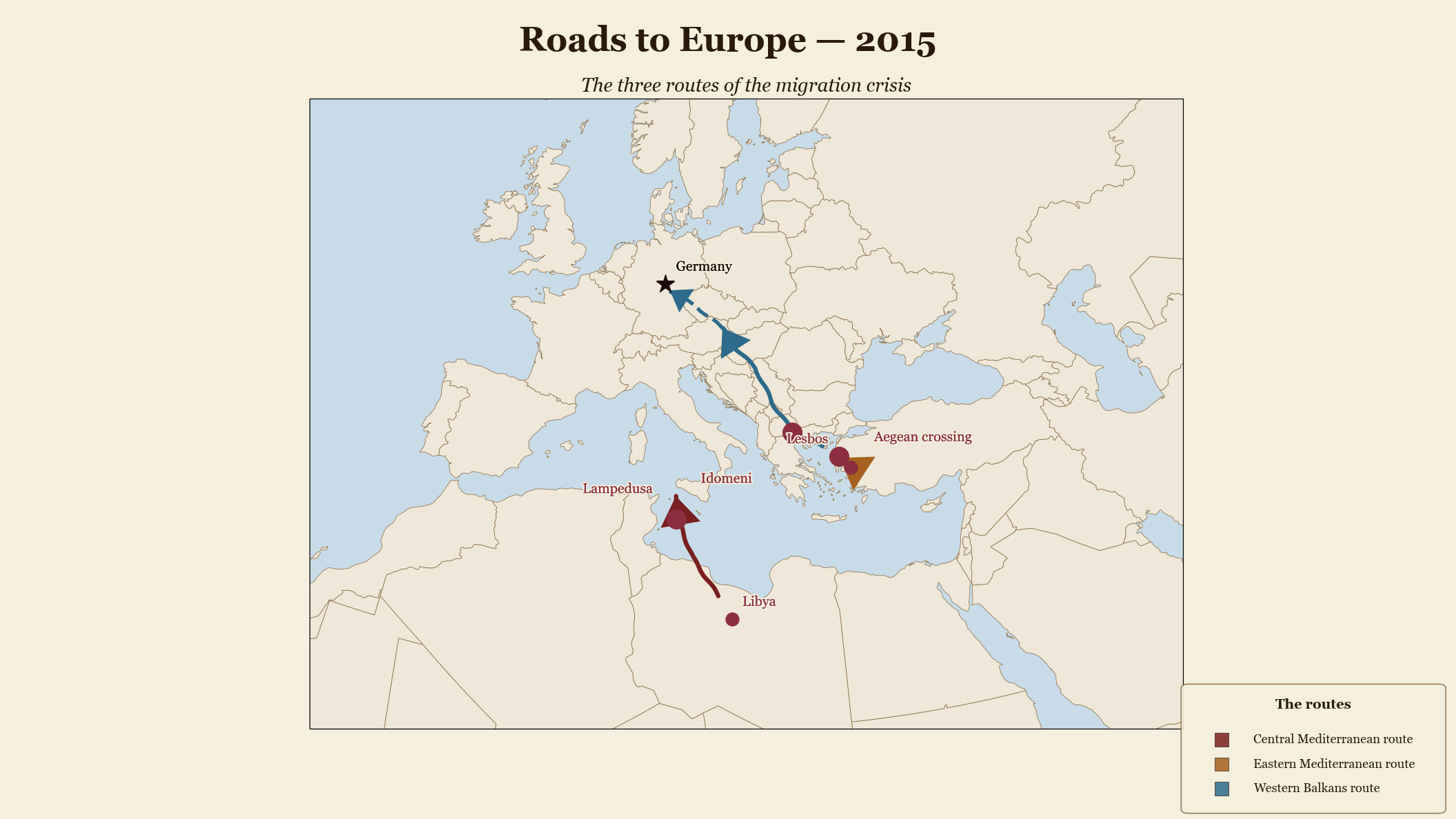
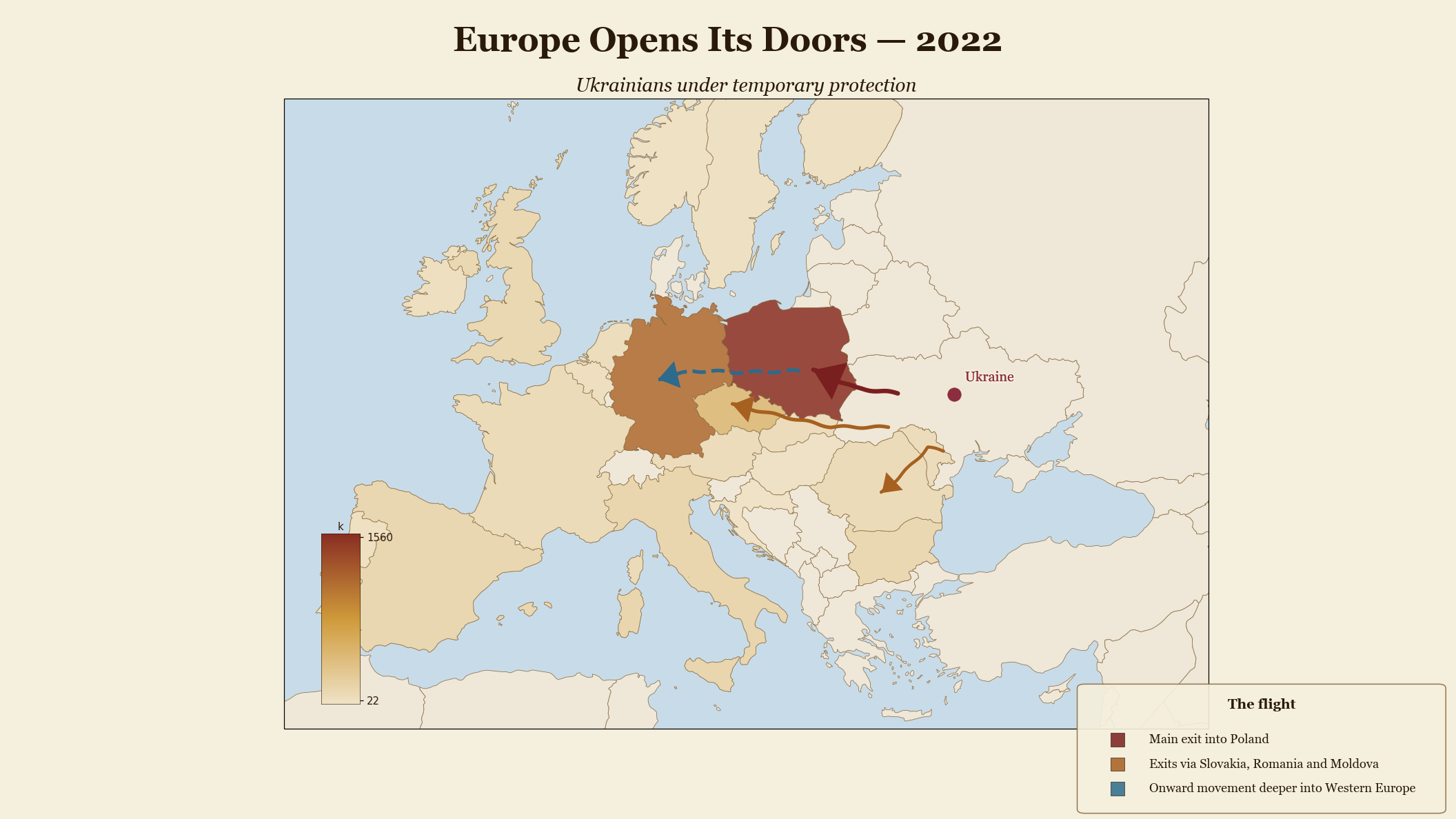
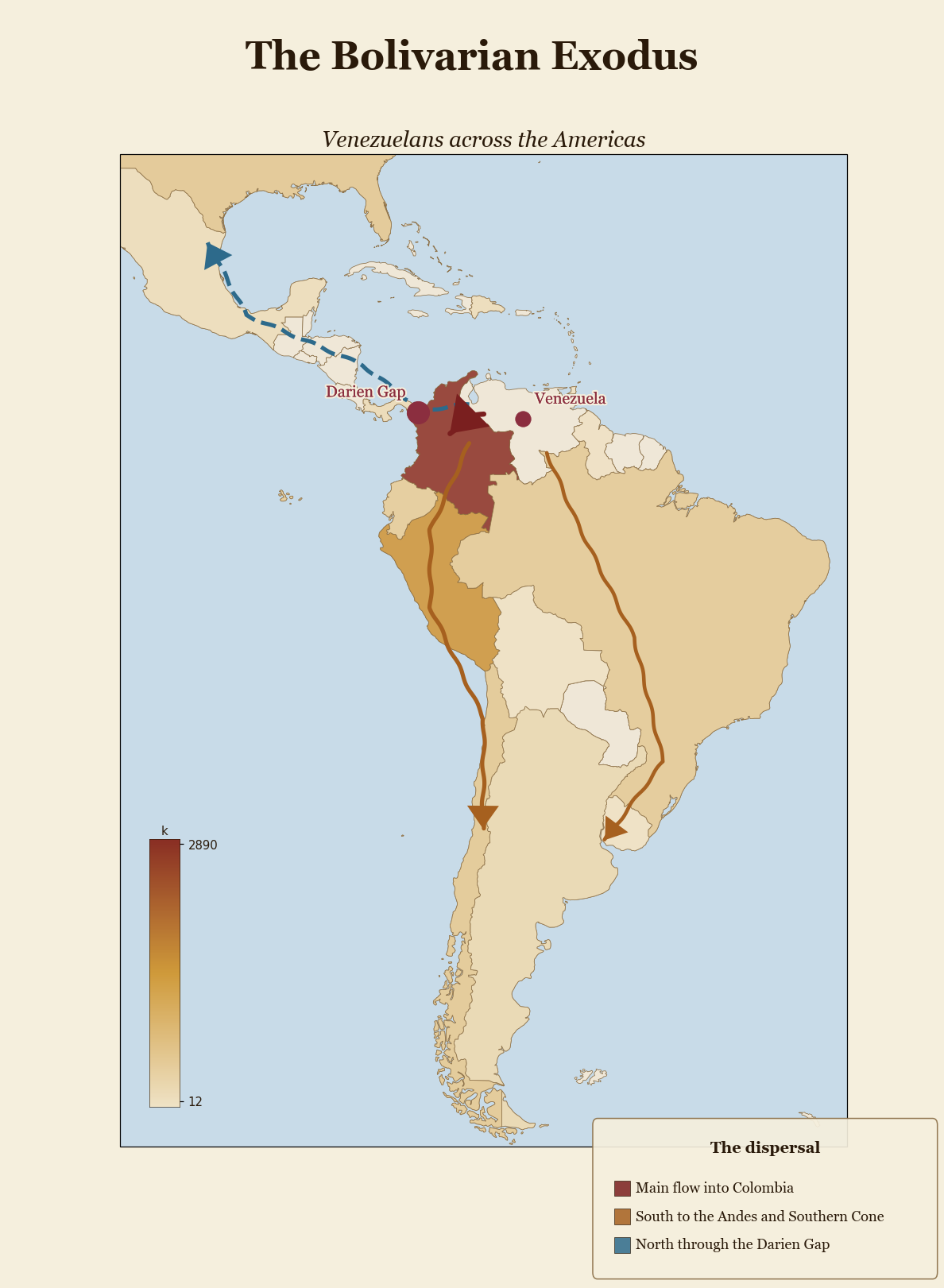
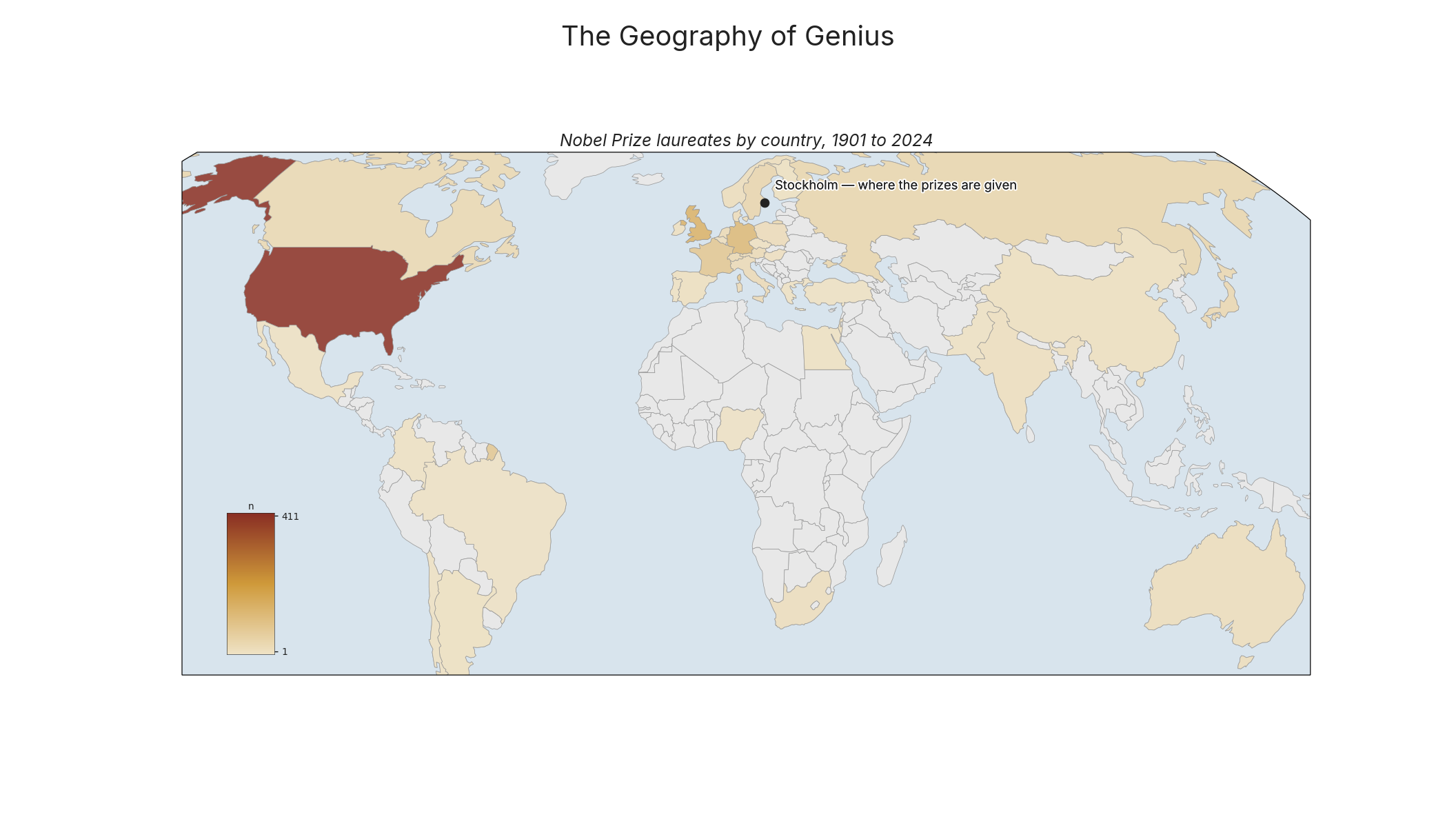
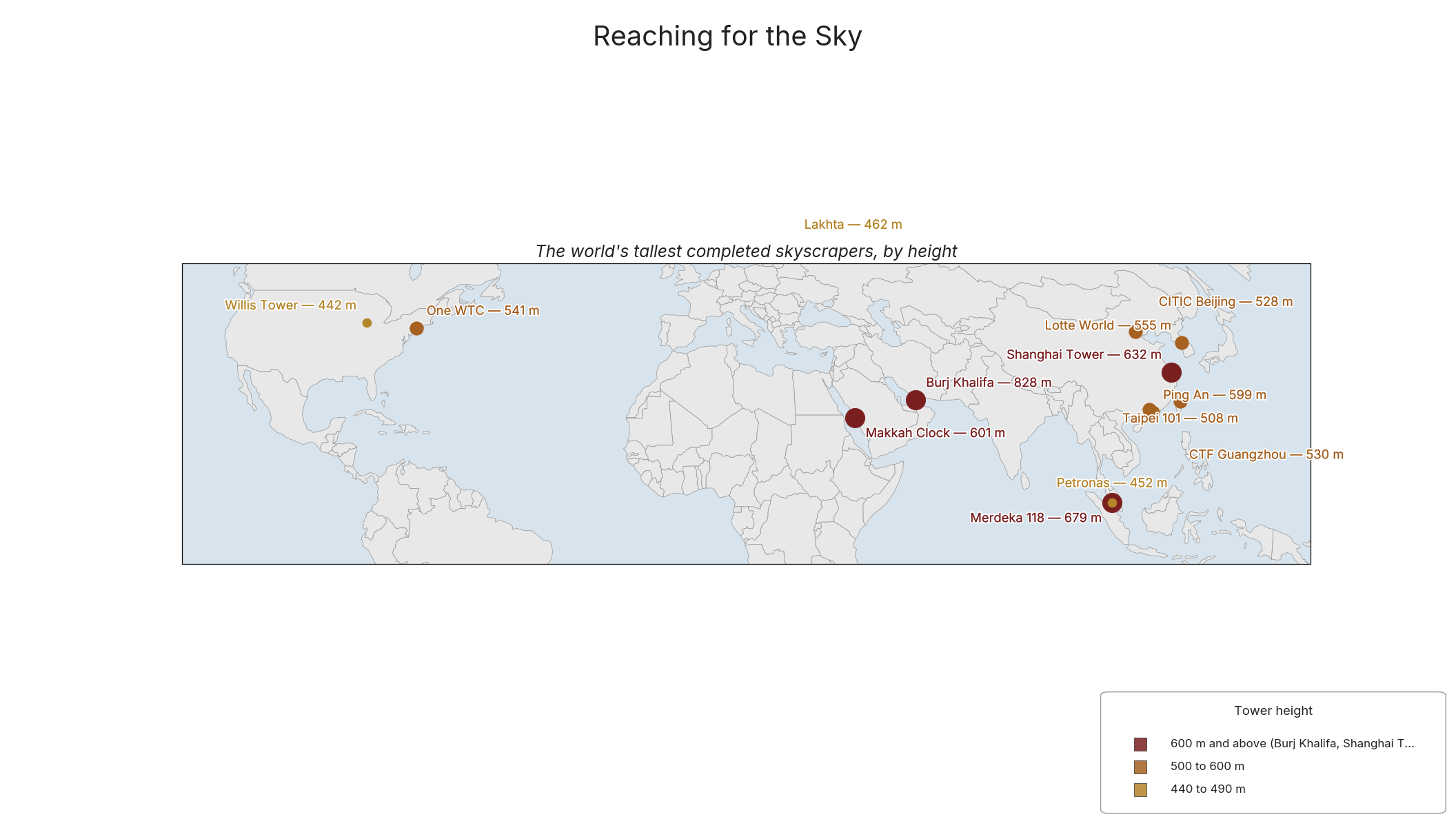
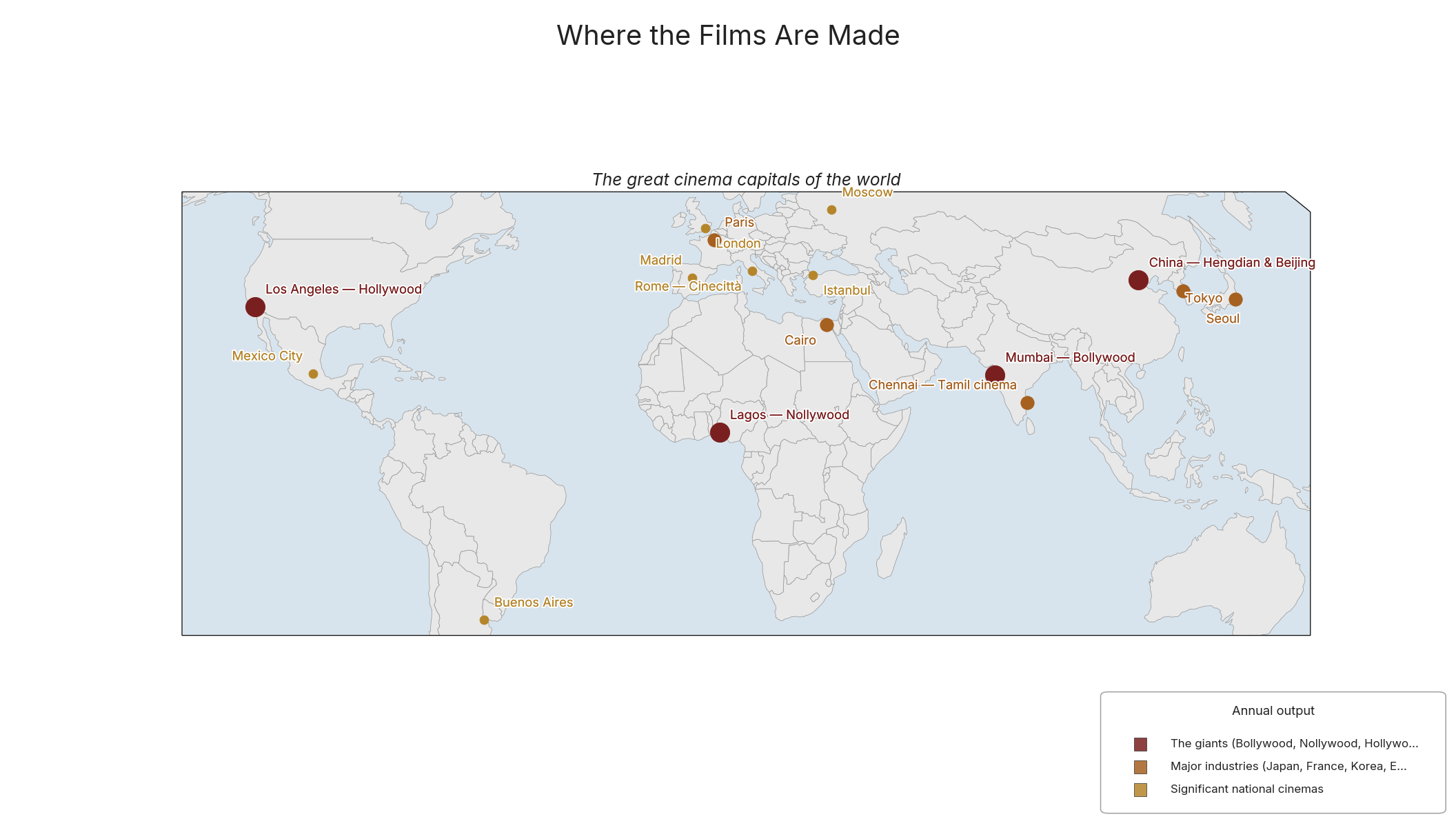
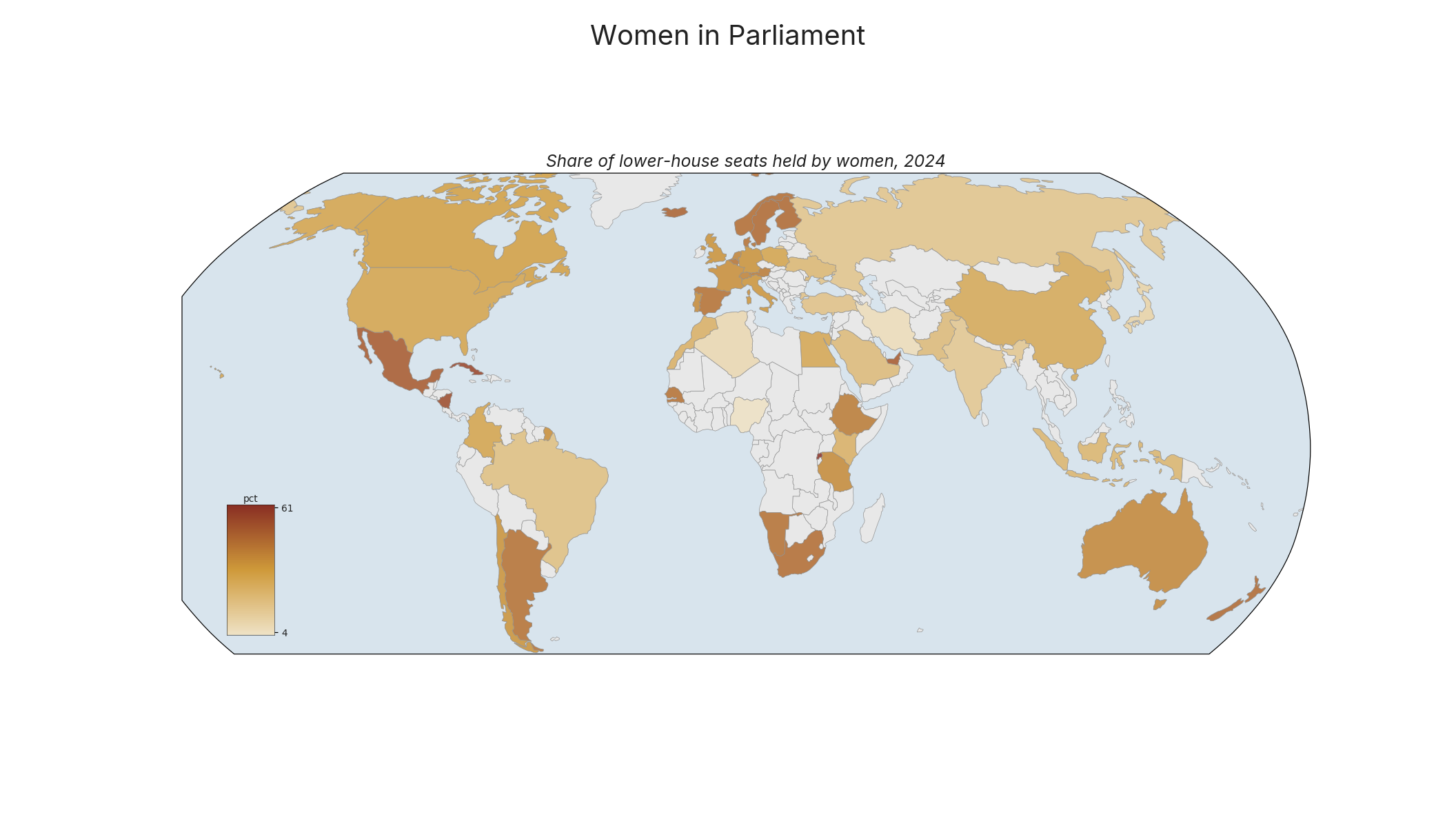
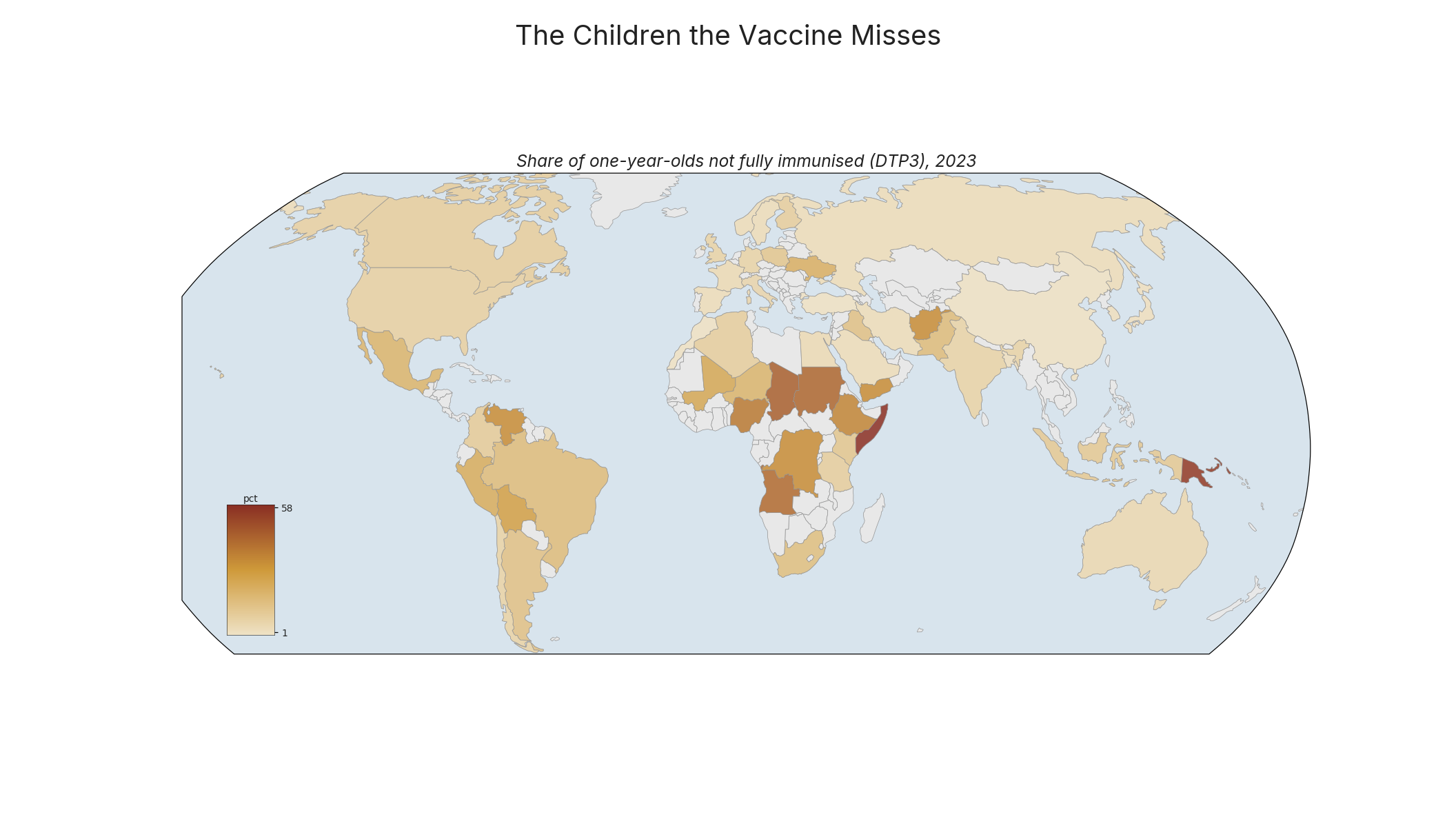
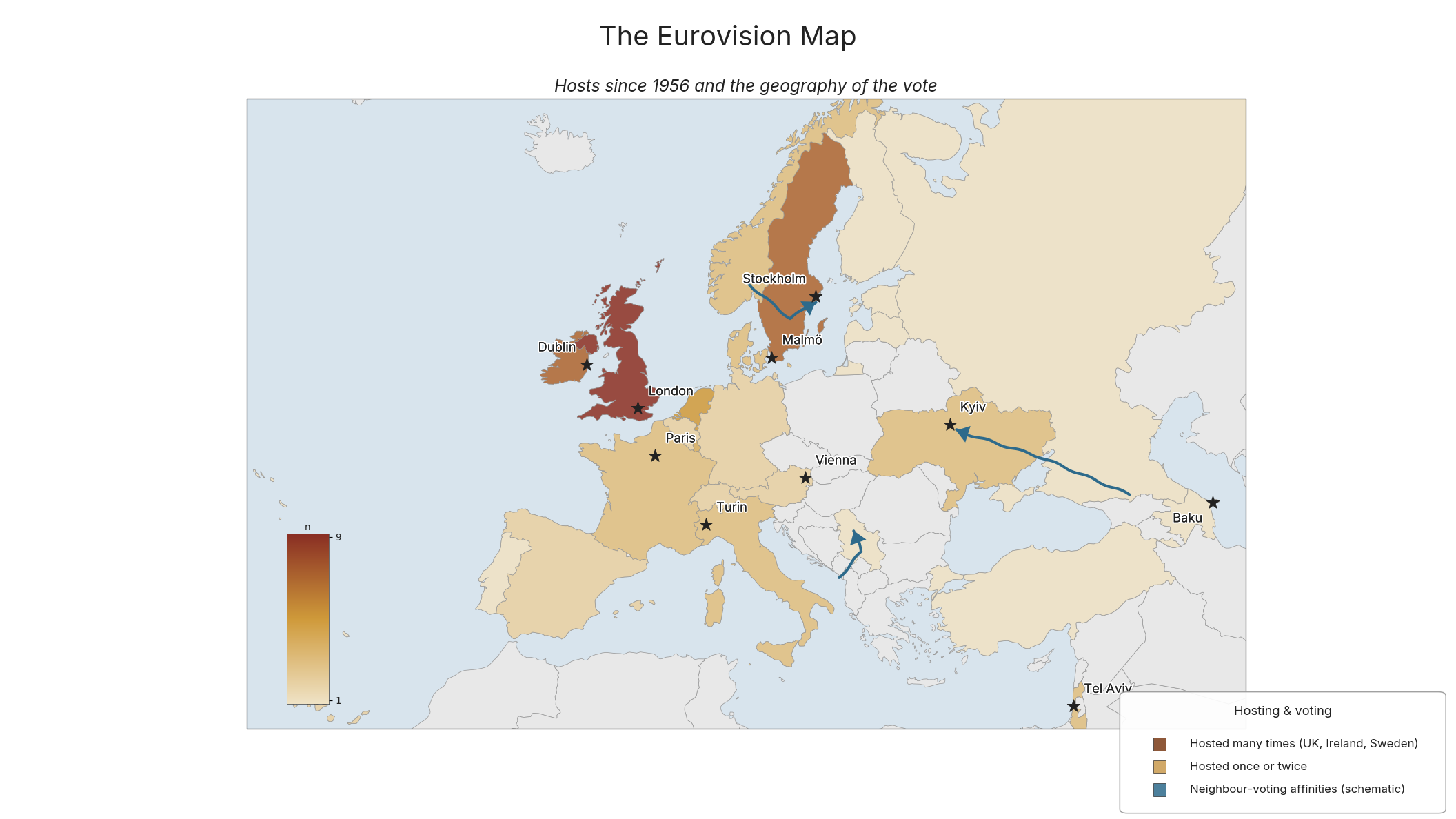
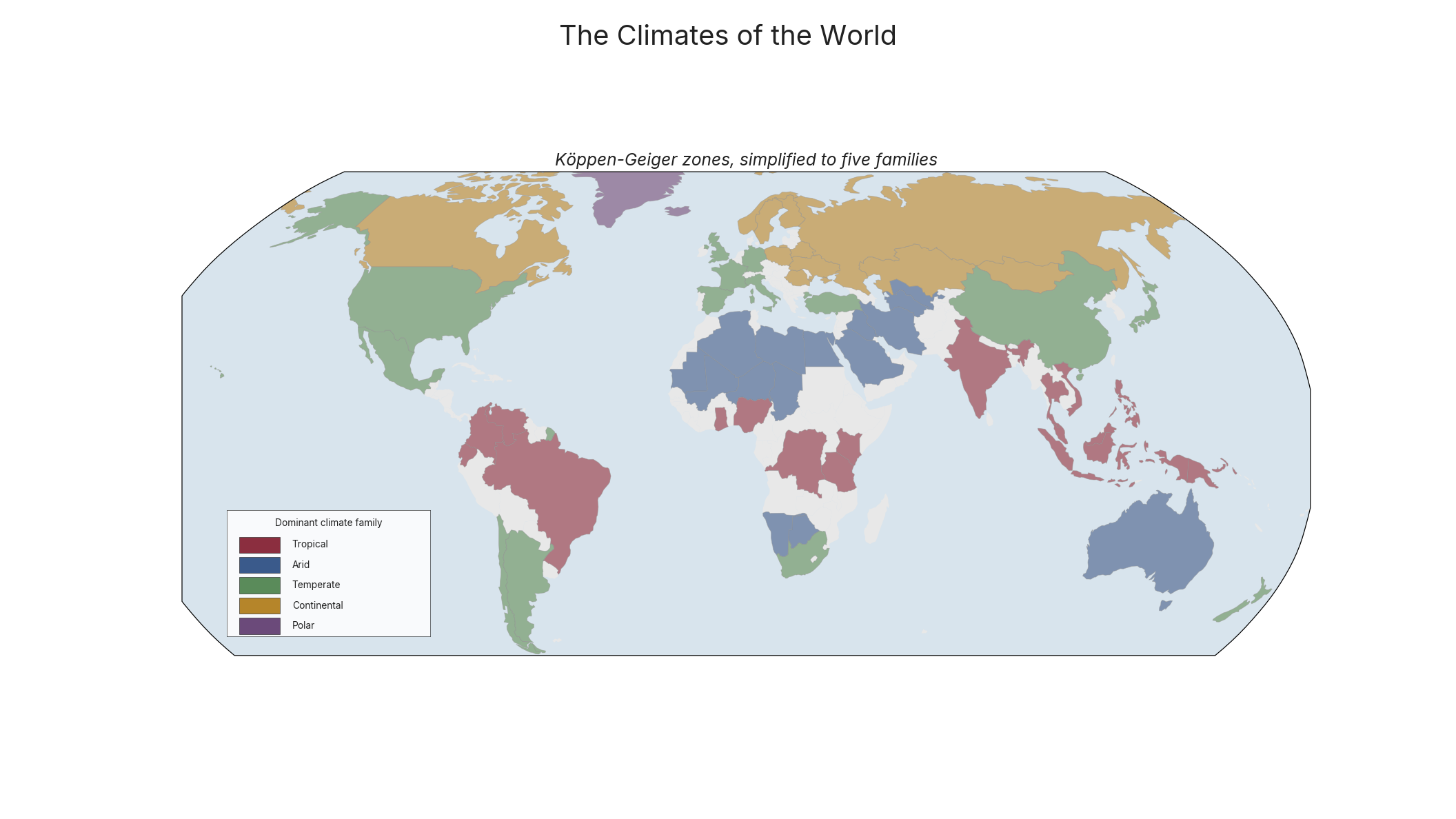
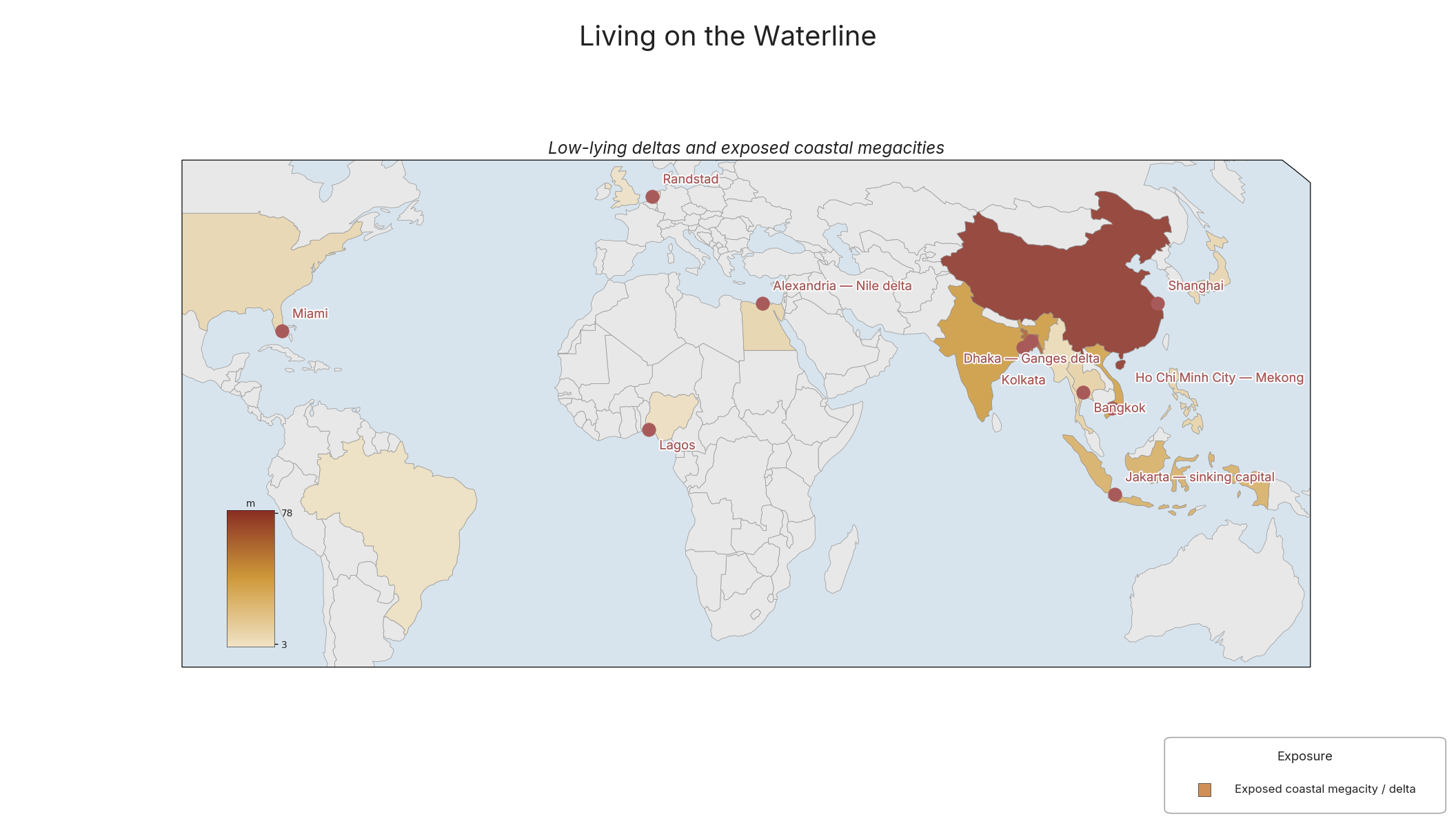
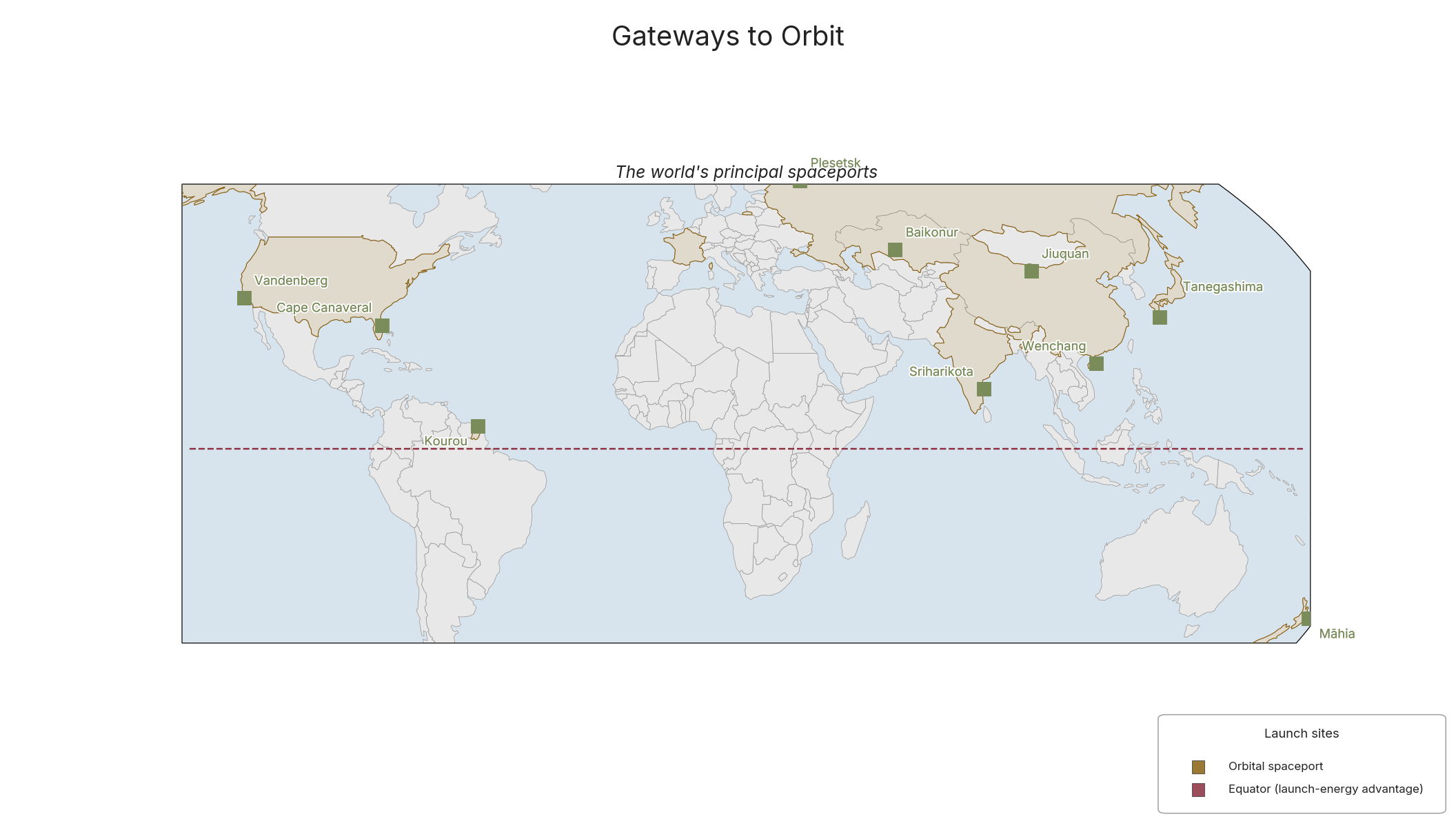
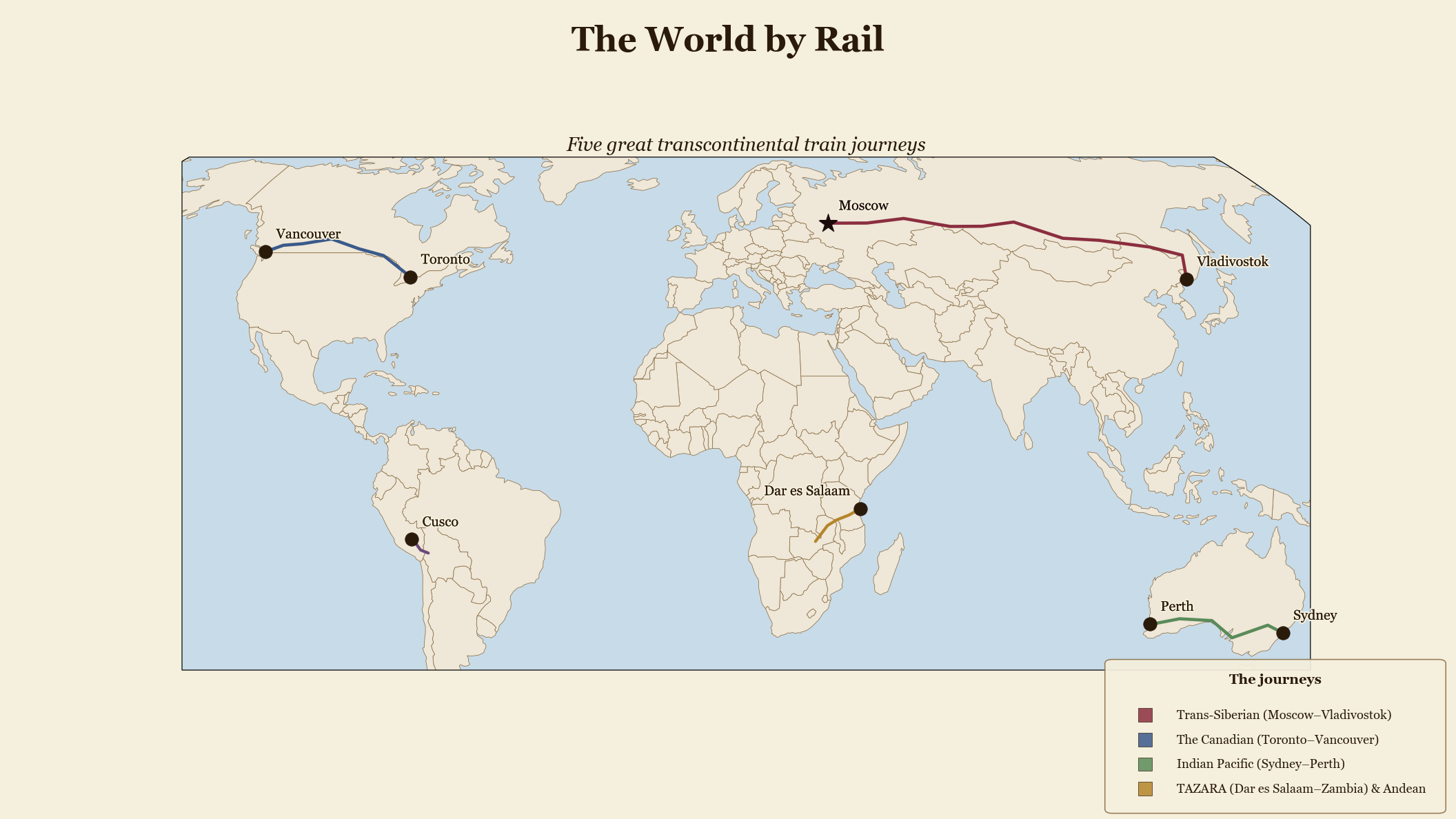
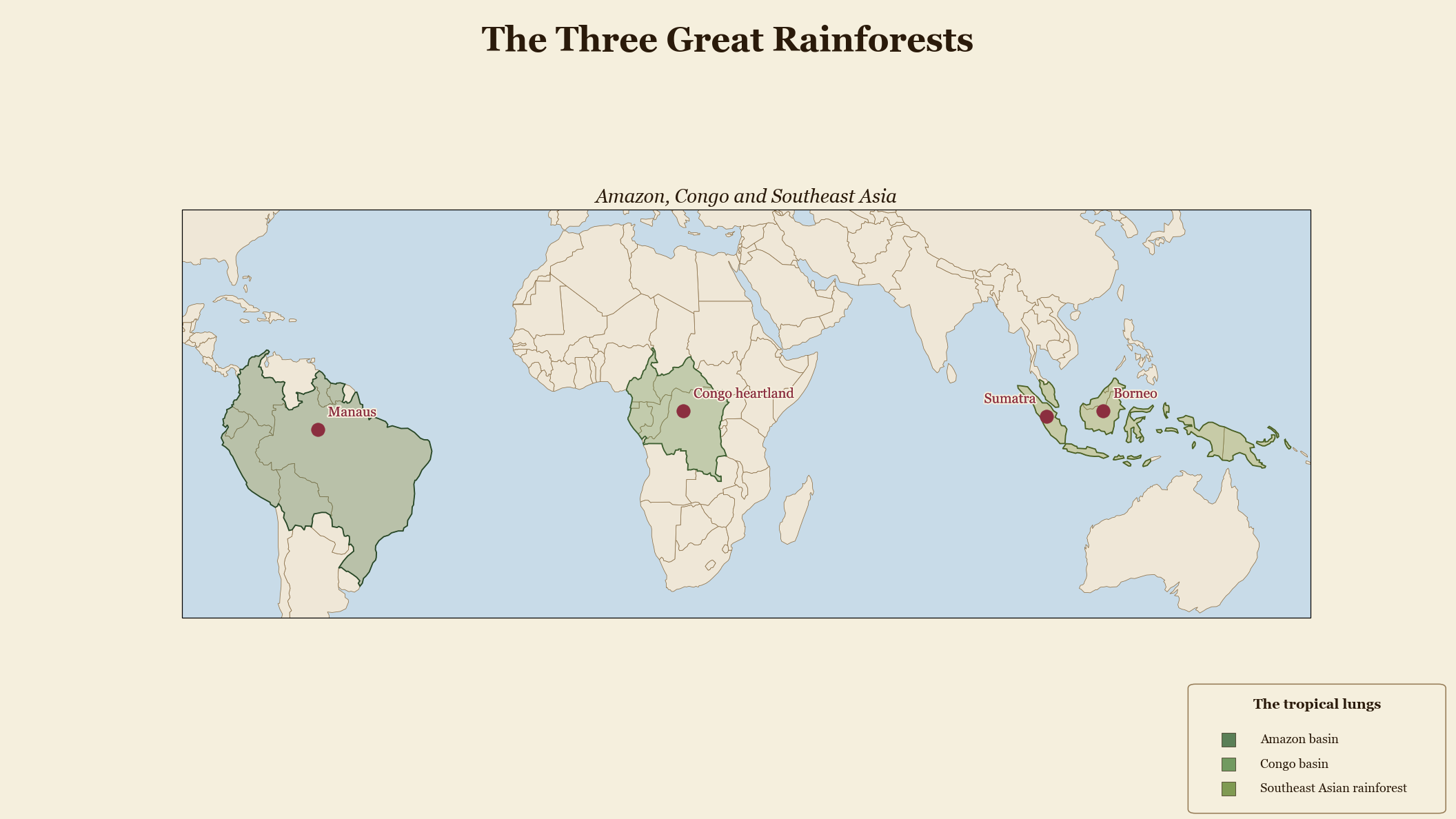
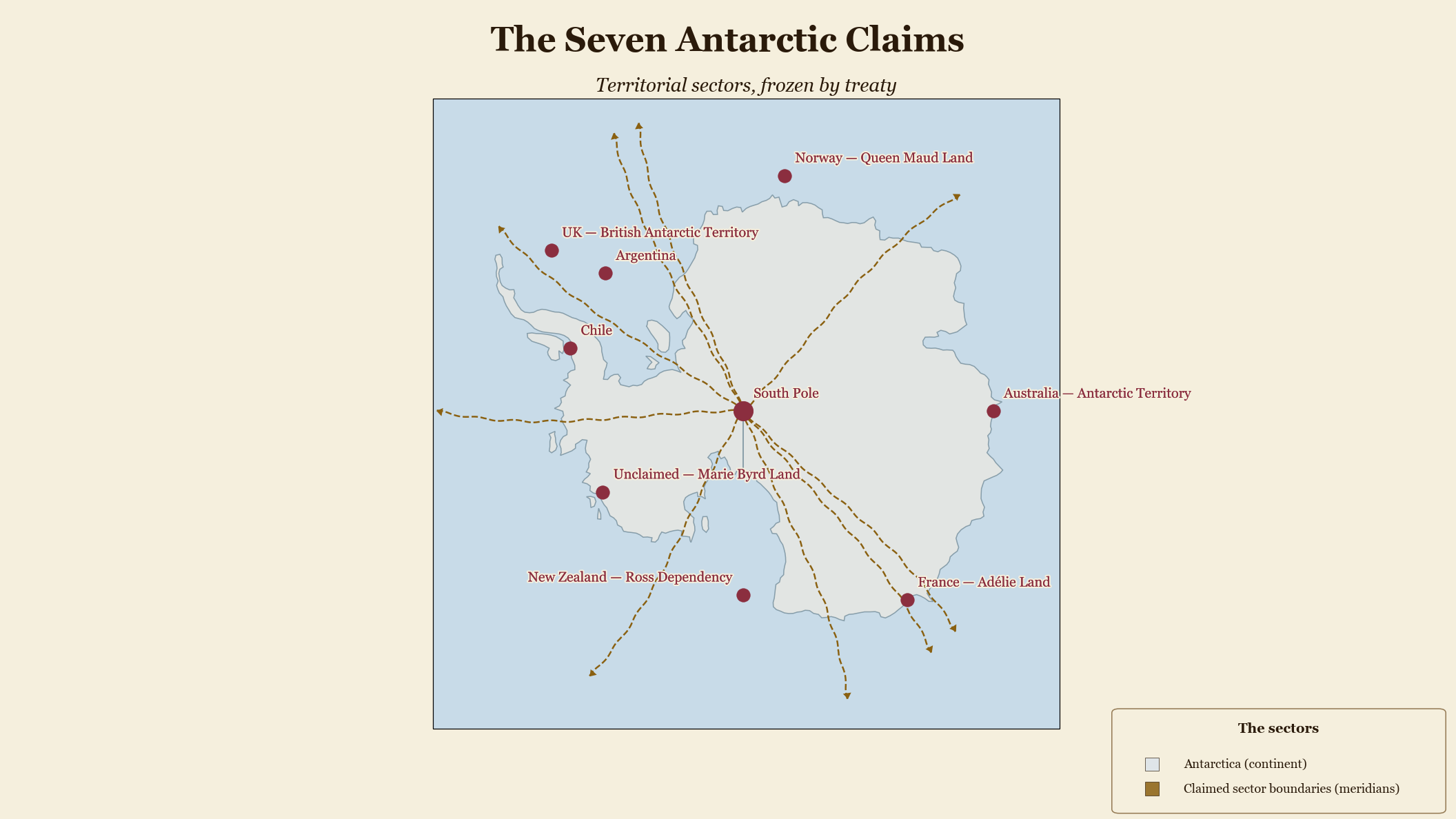
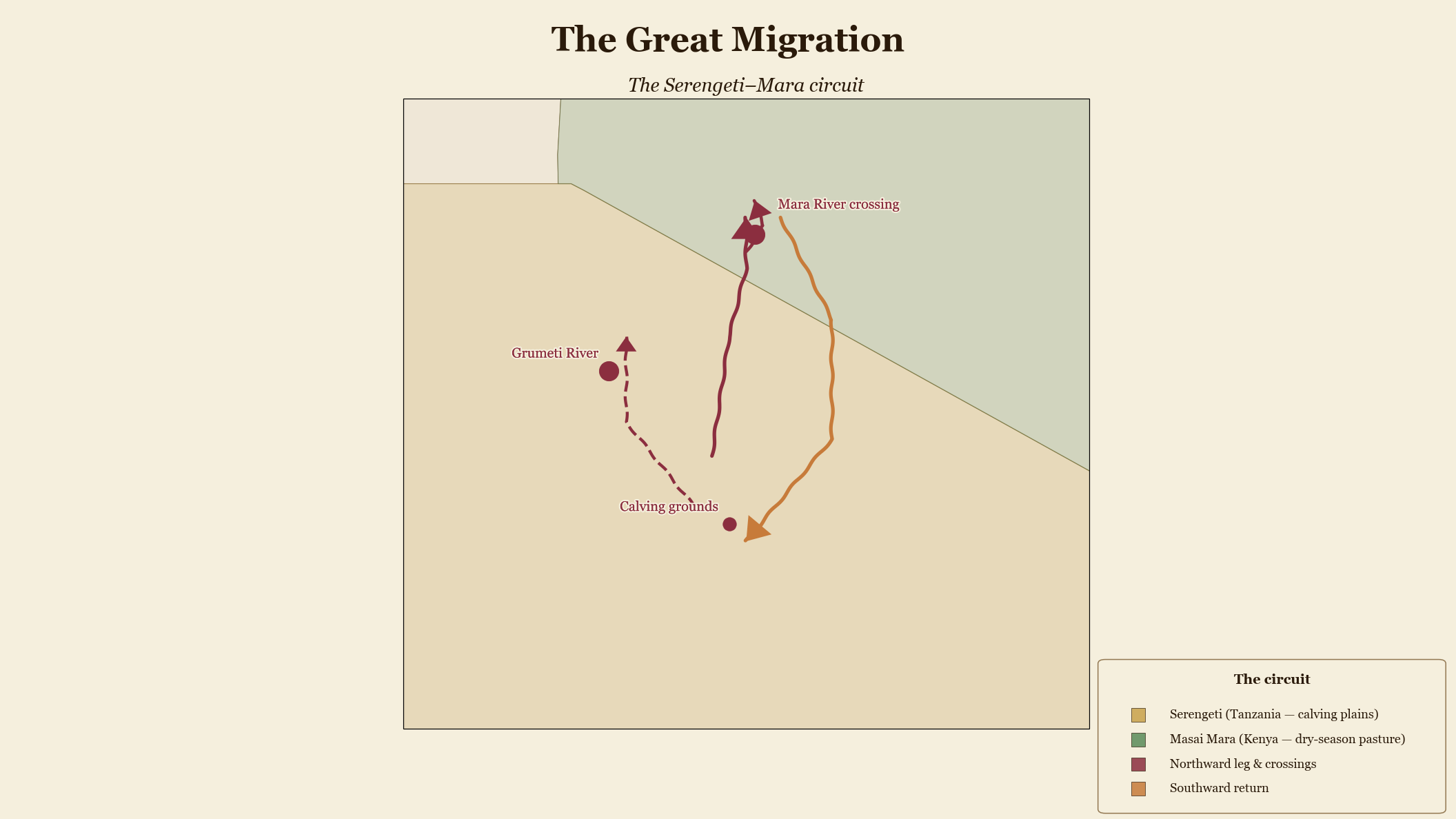
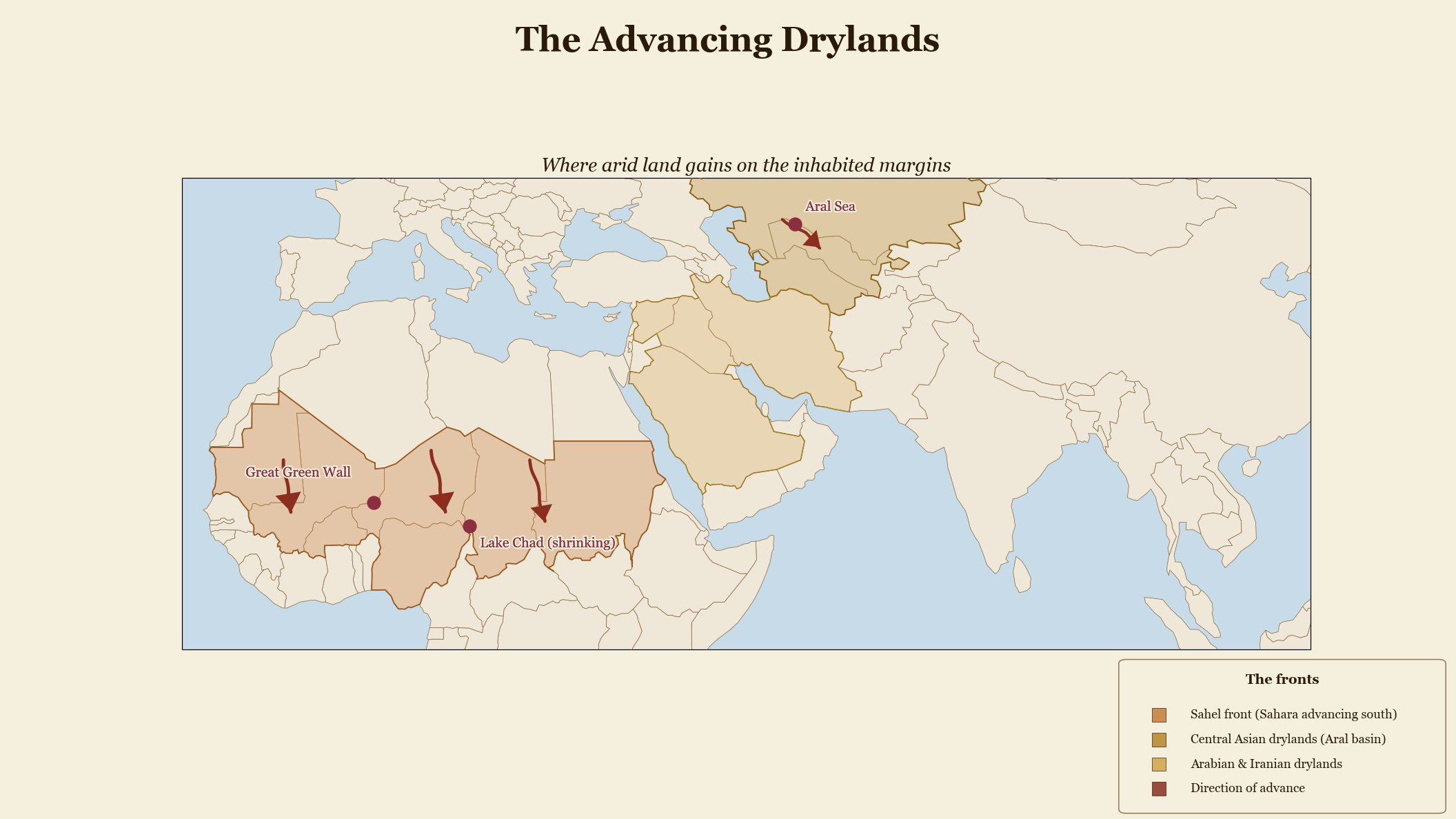
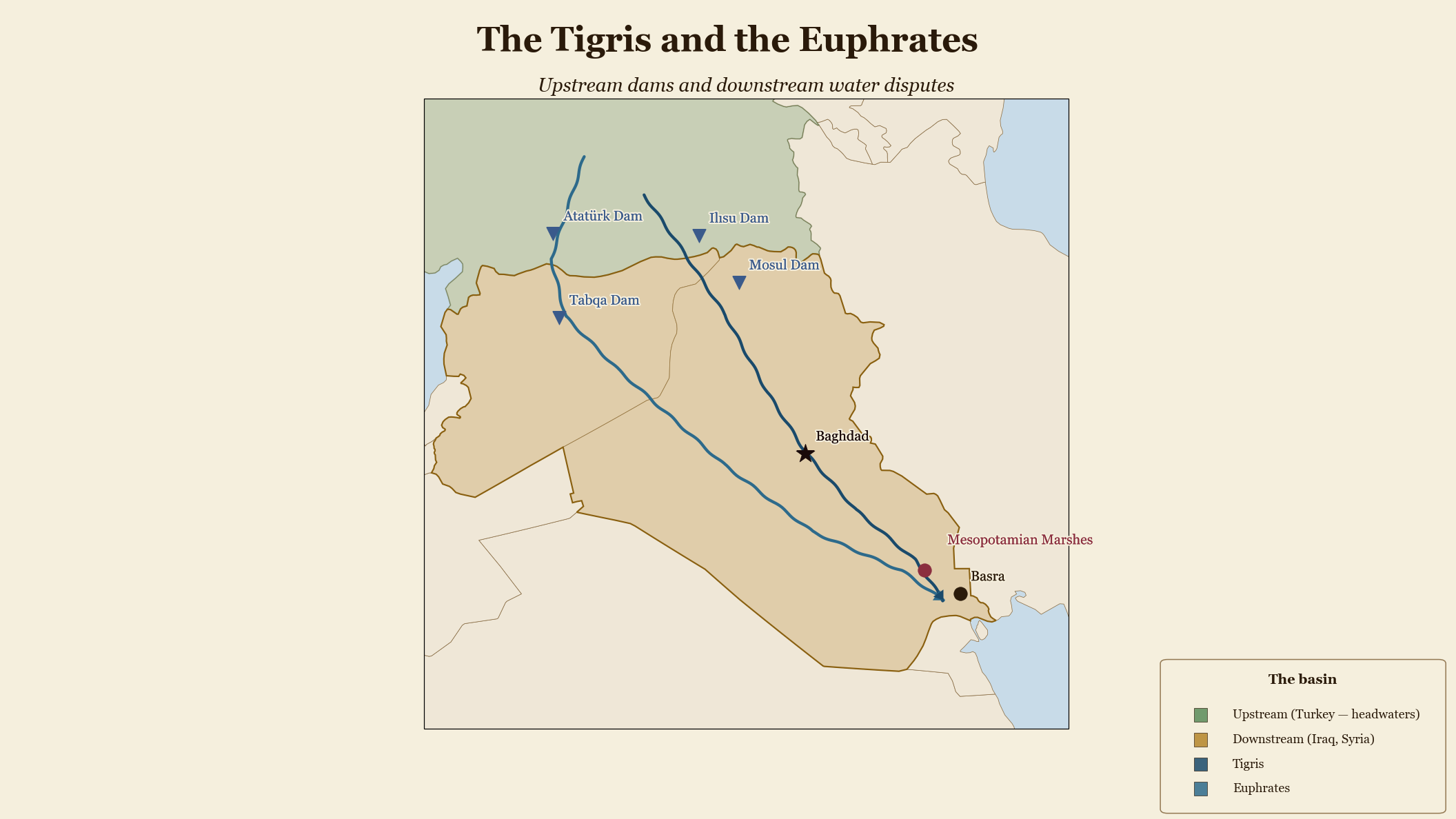
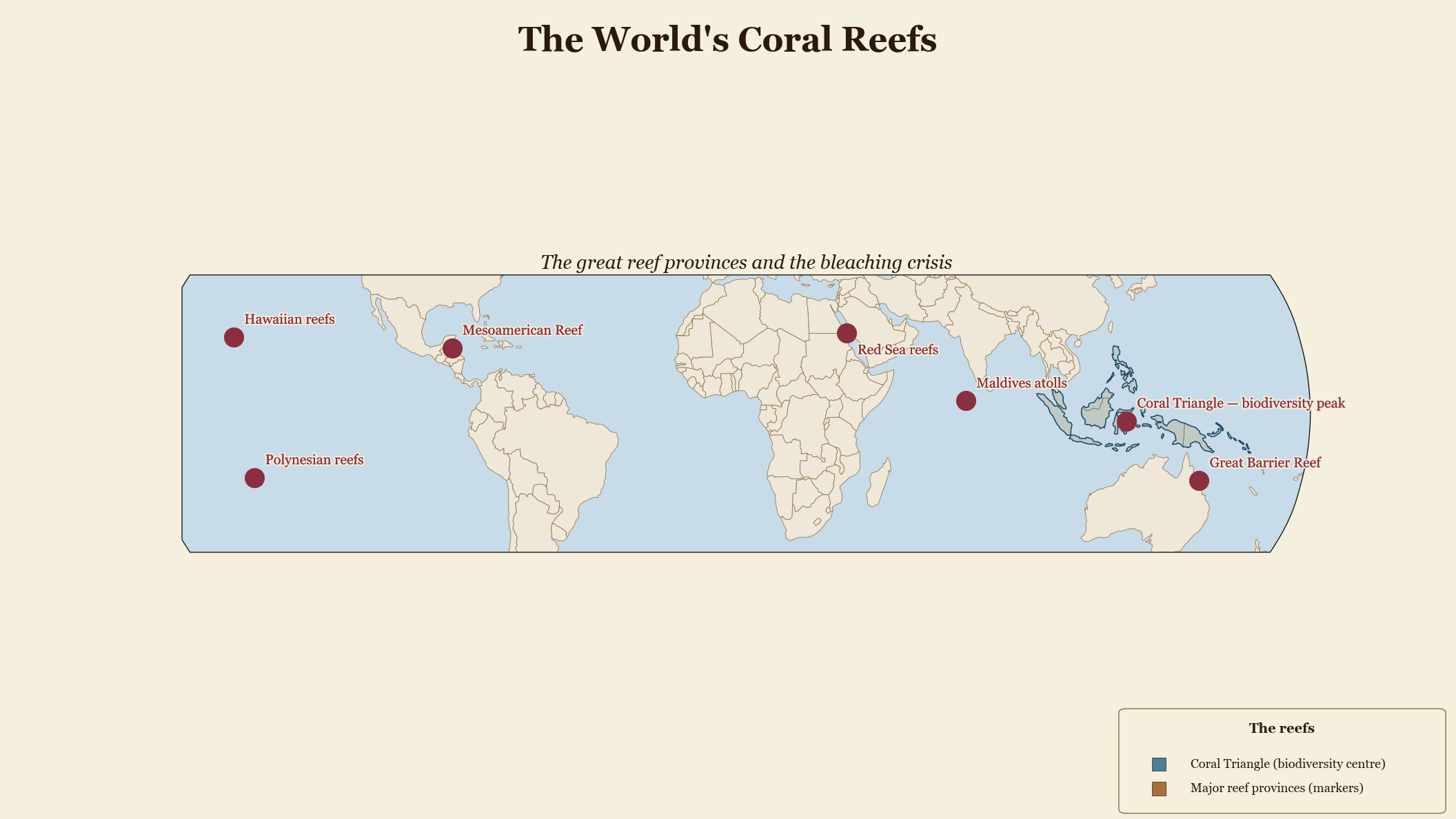
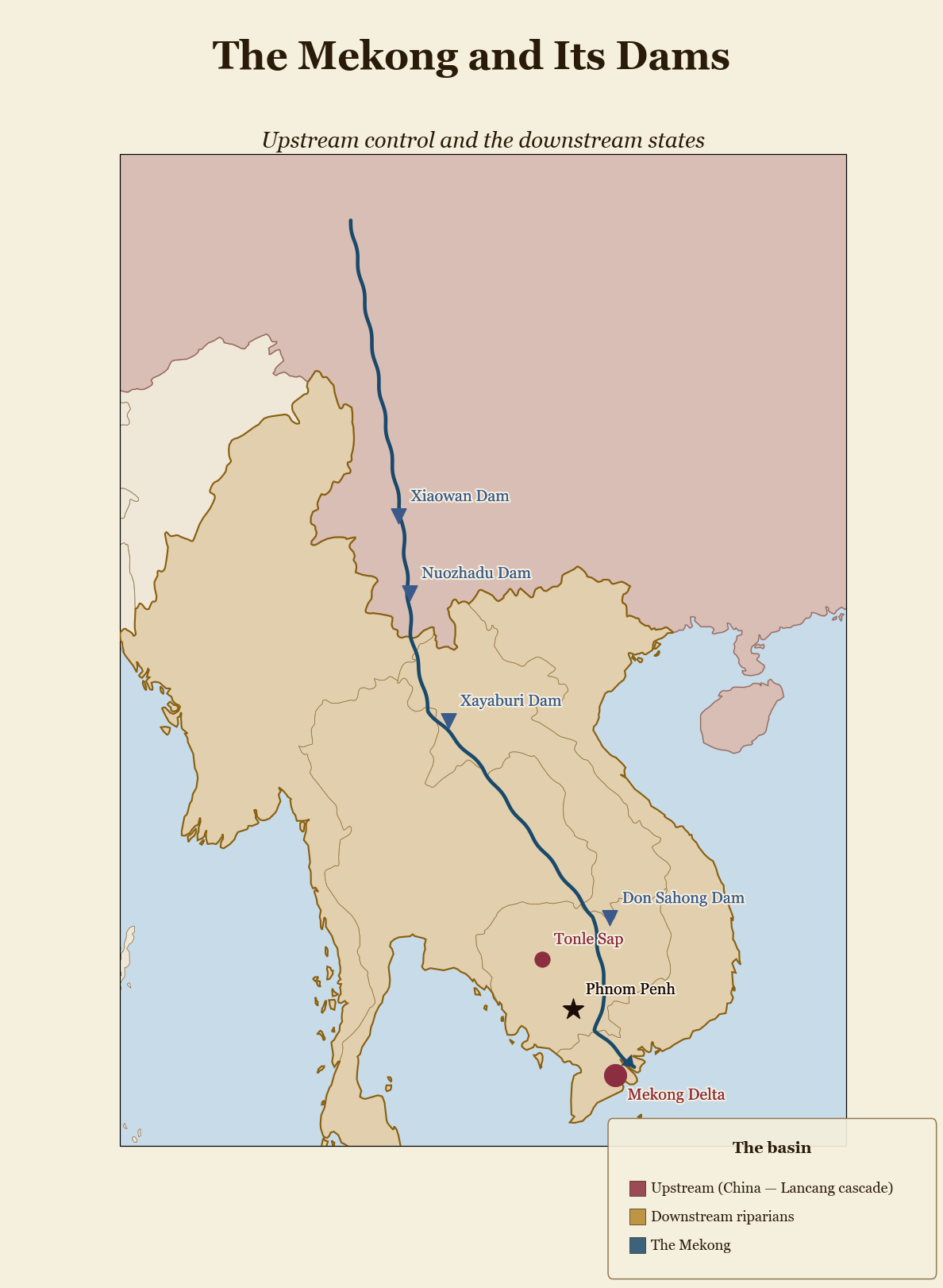
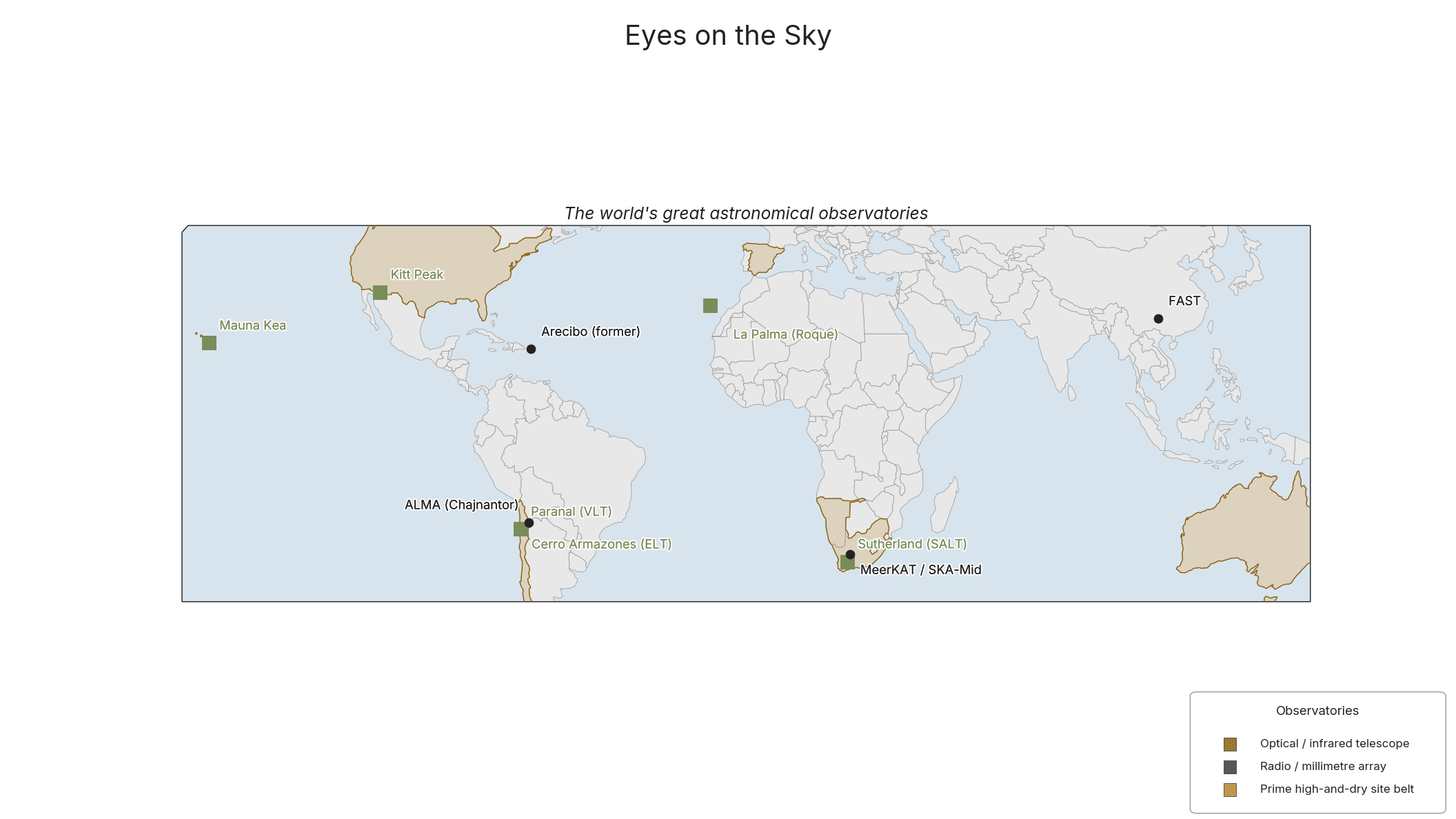
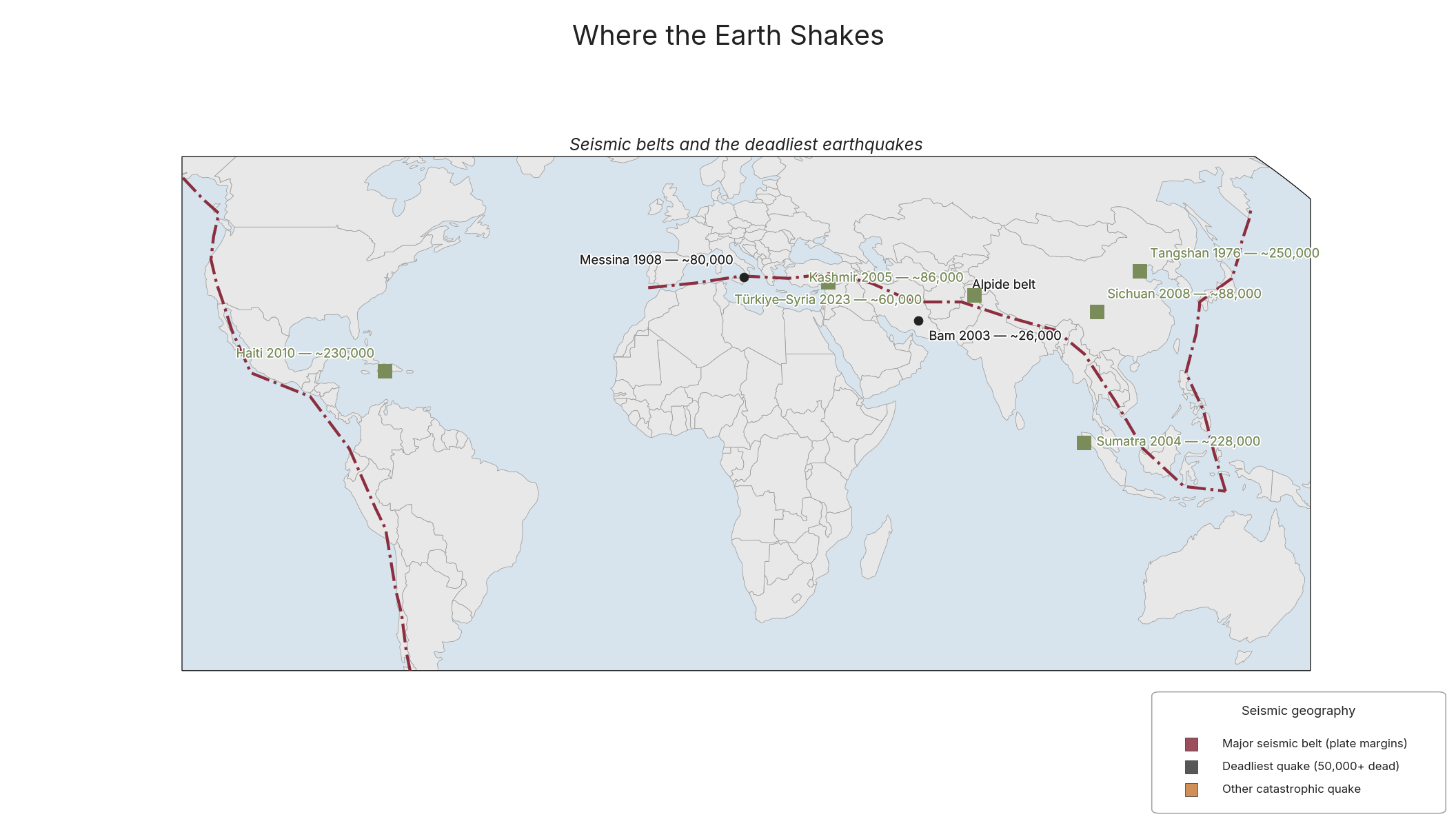
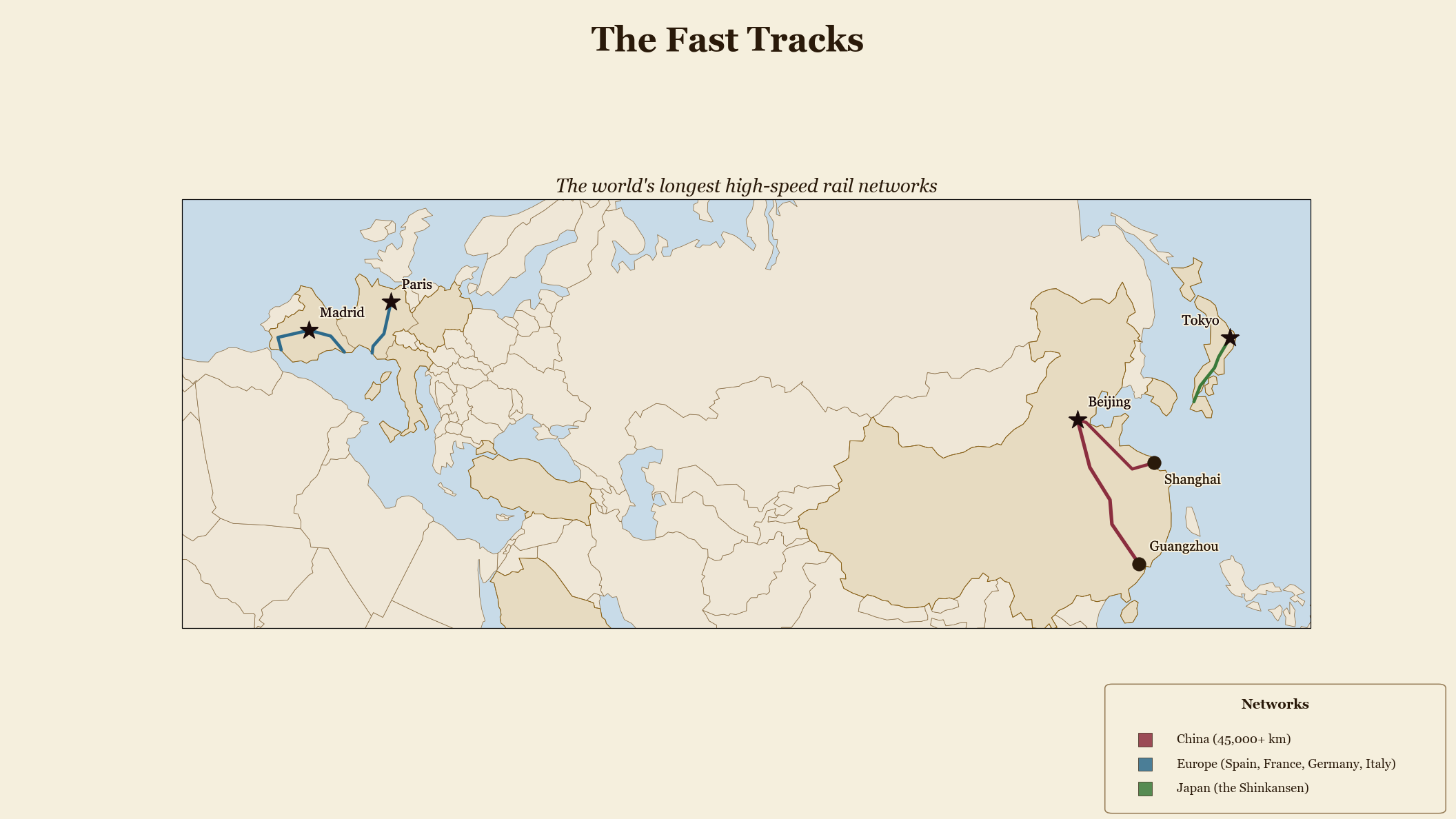
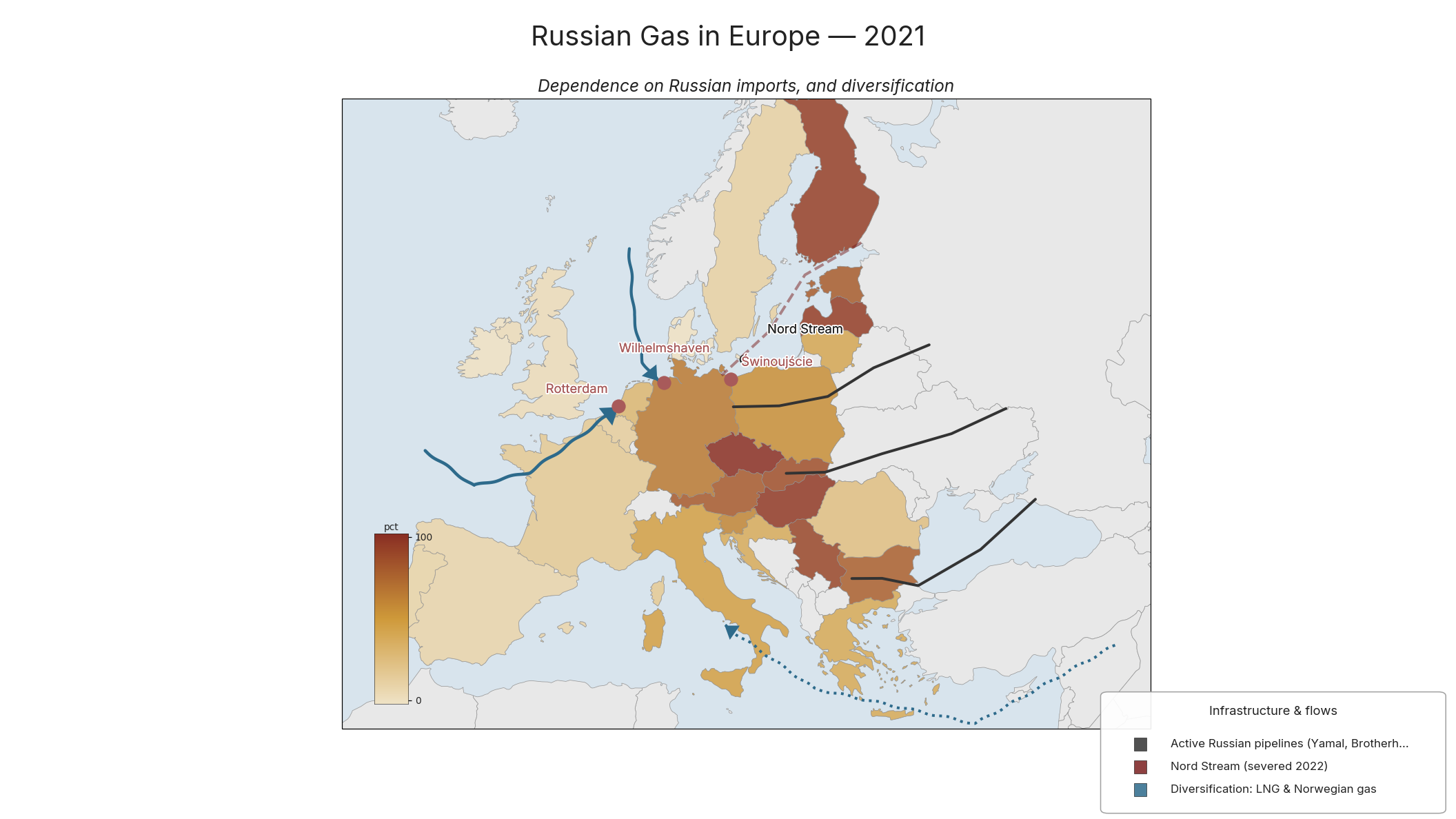
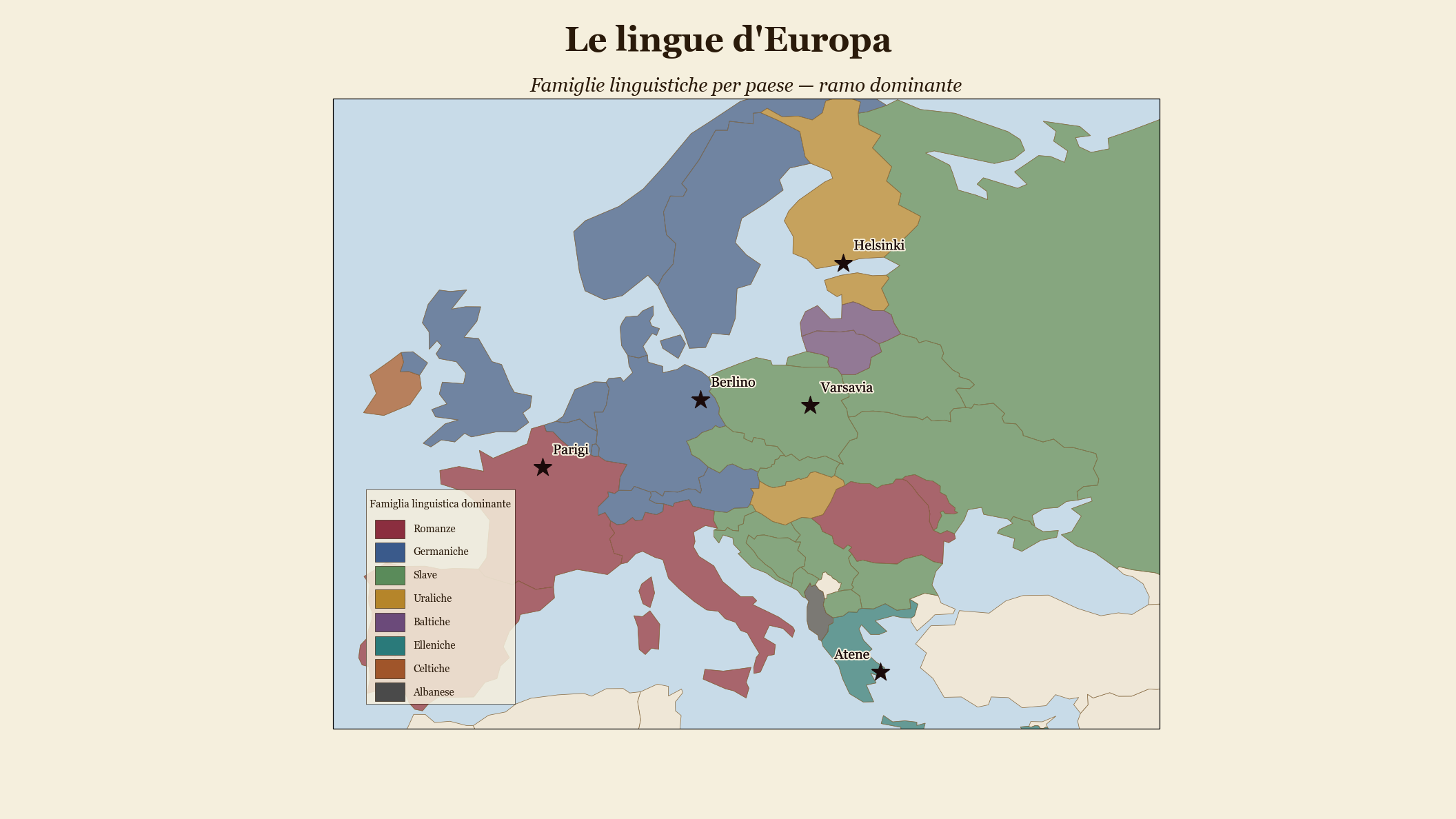
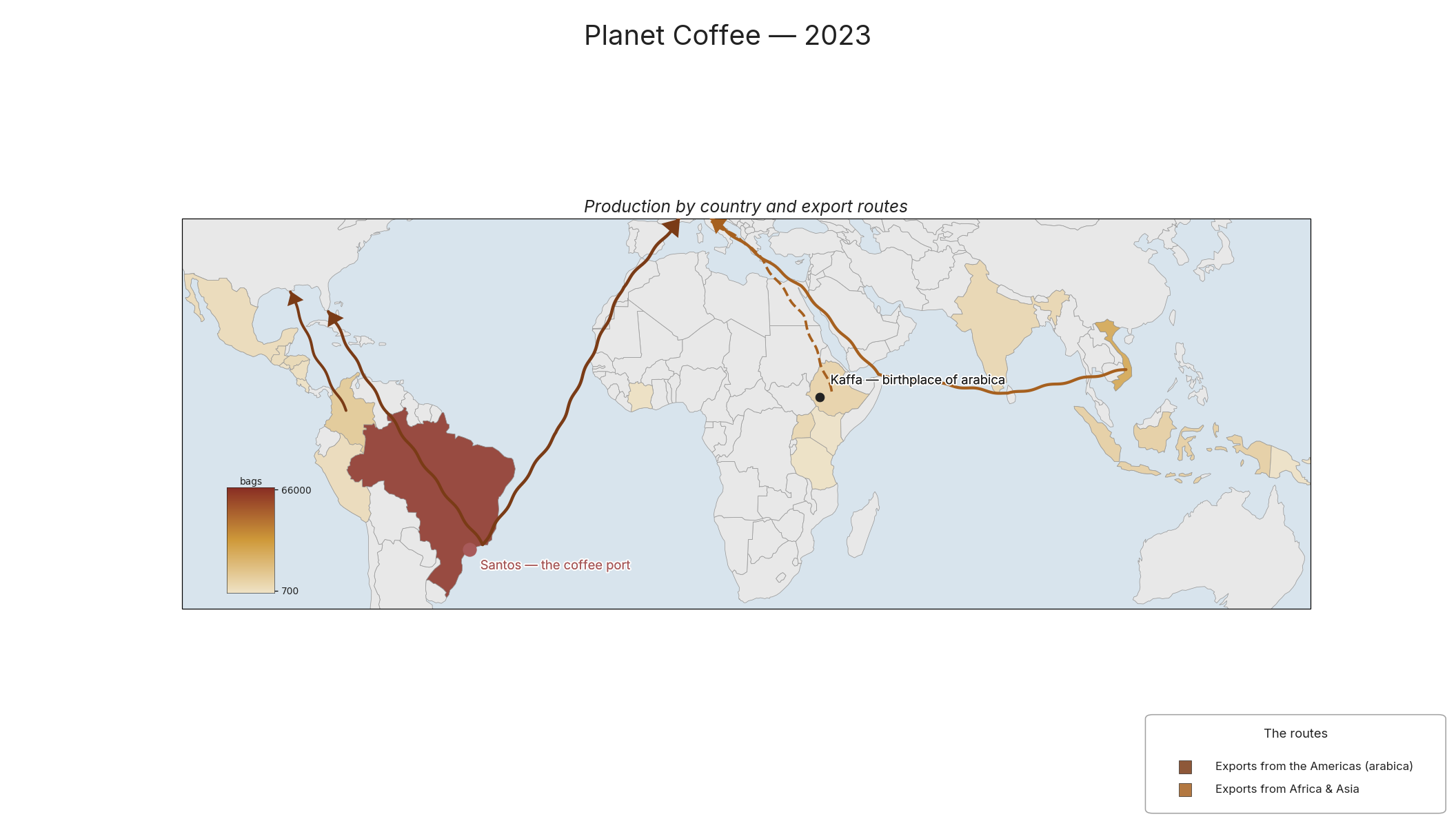
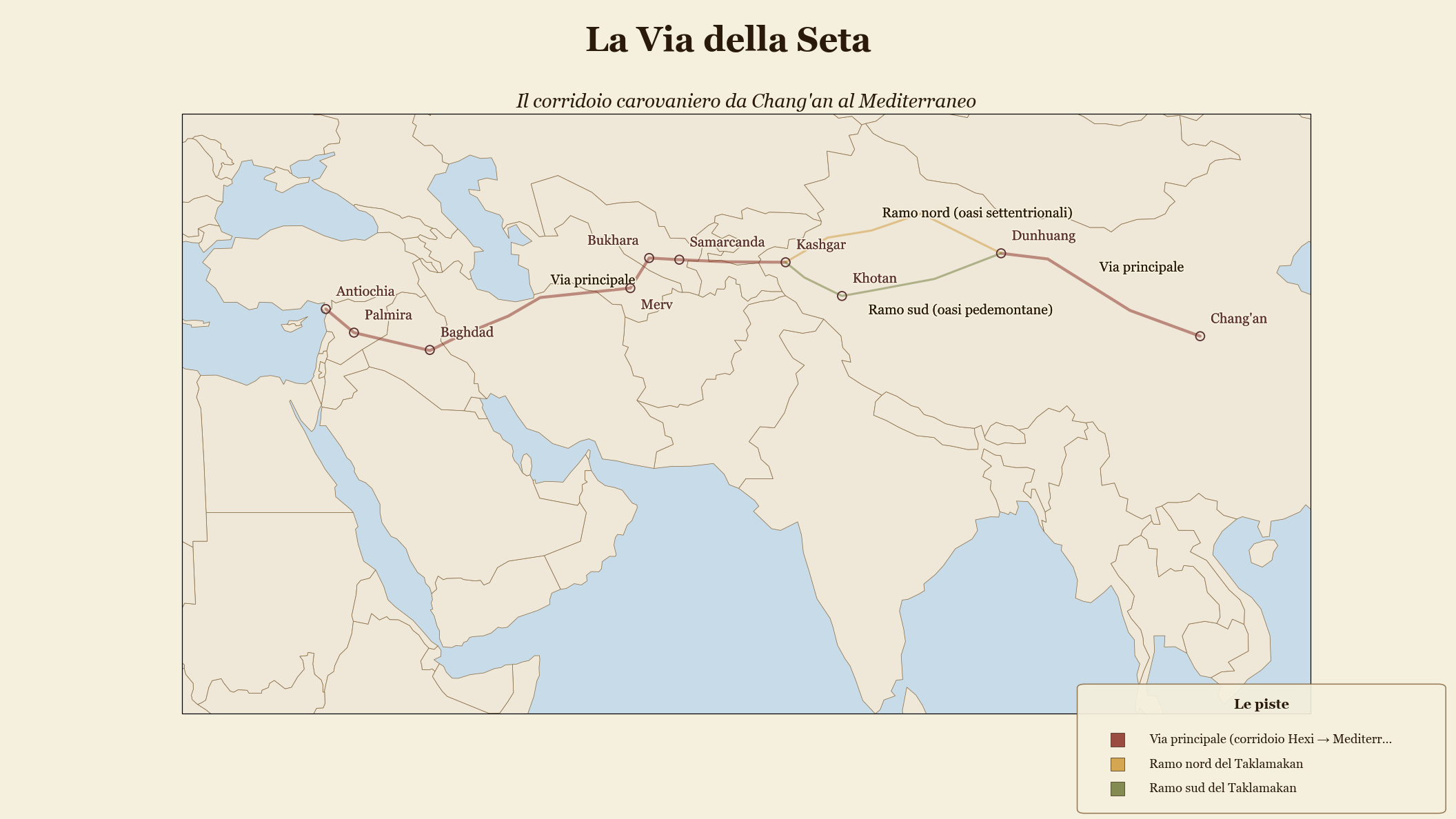
Scroll the maps.
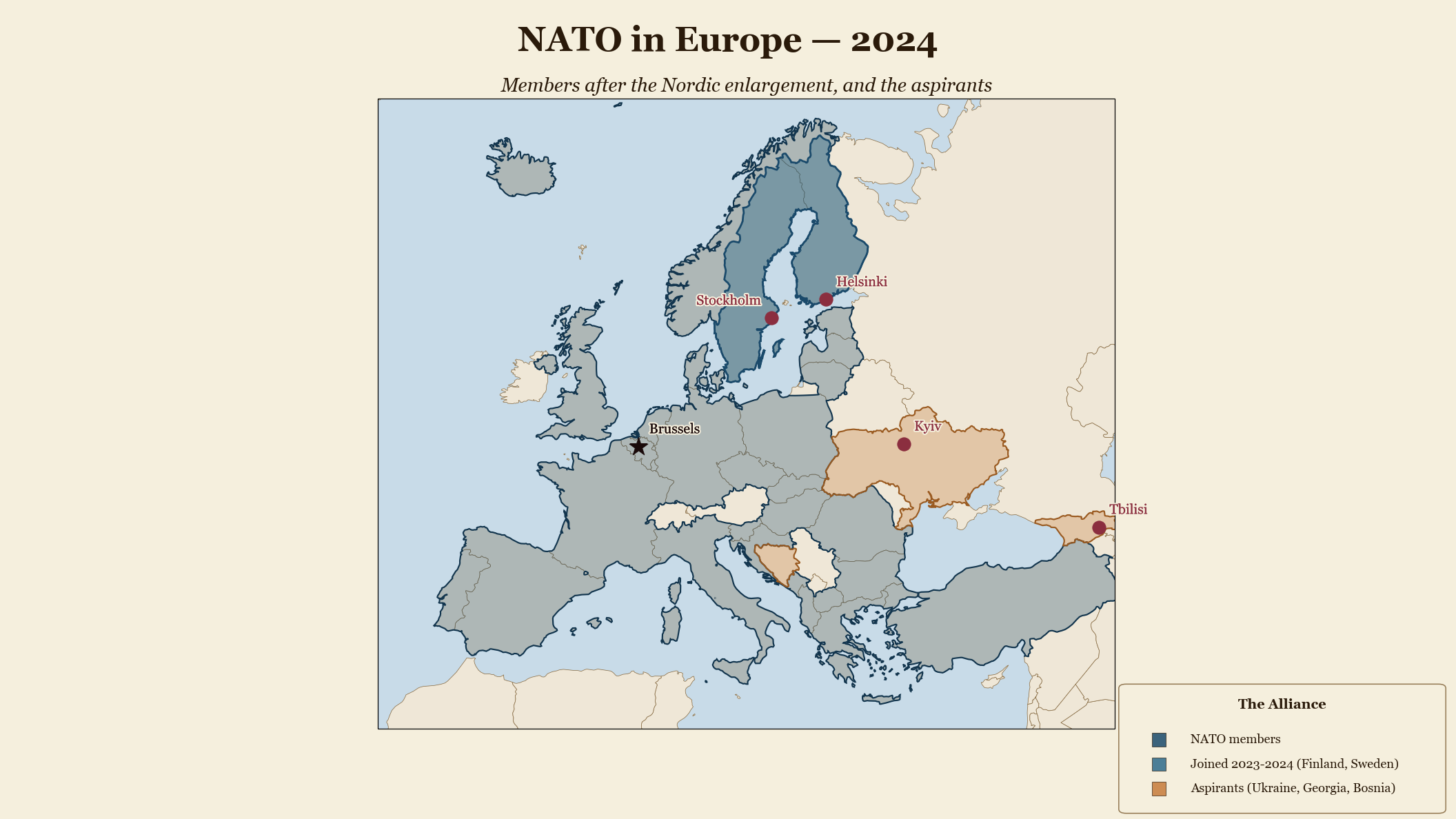
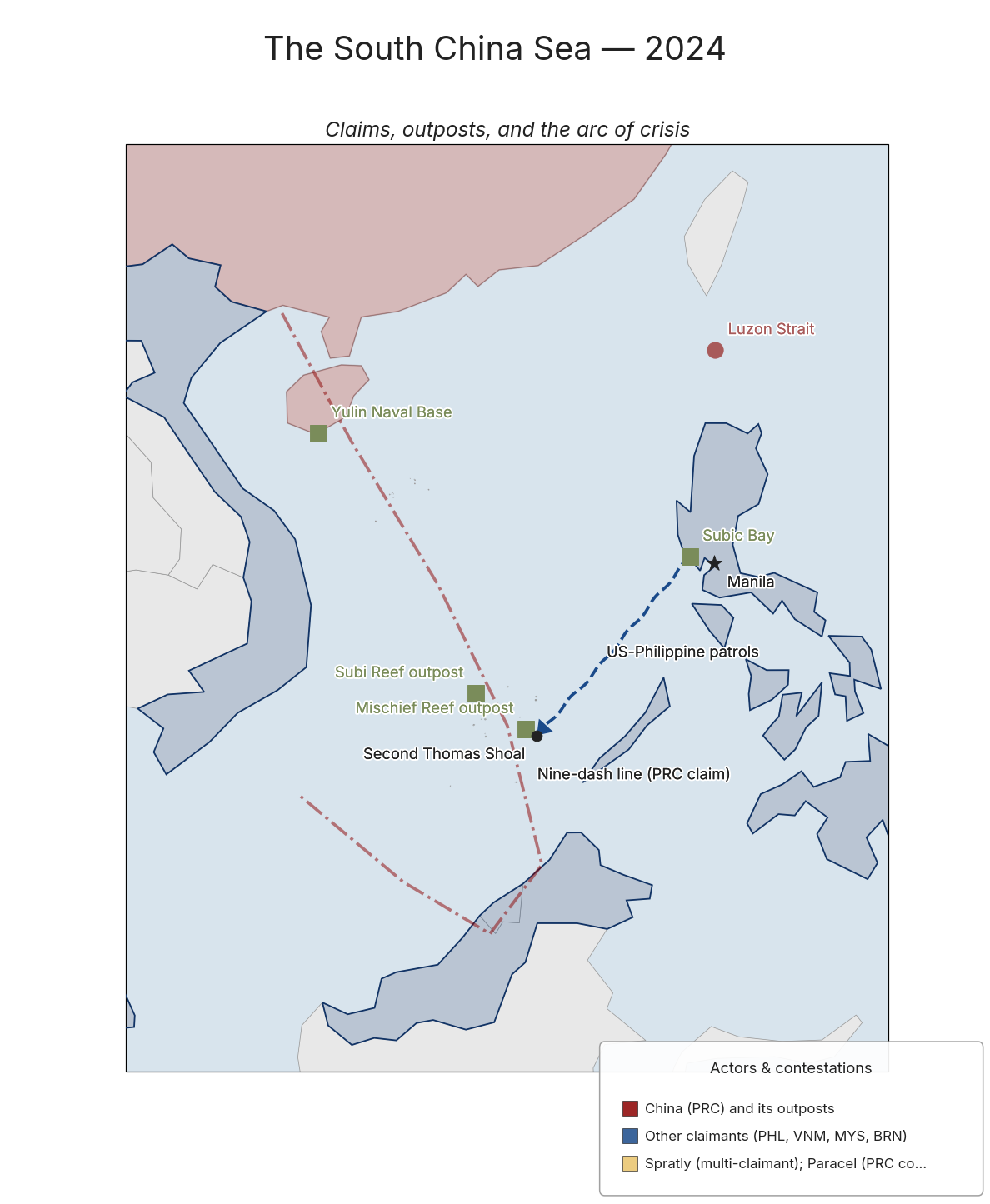
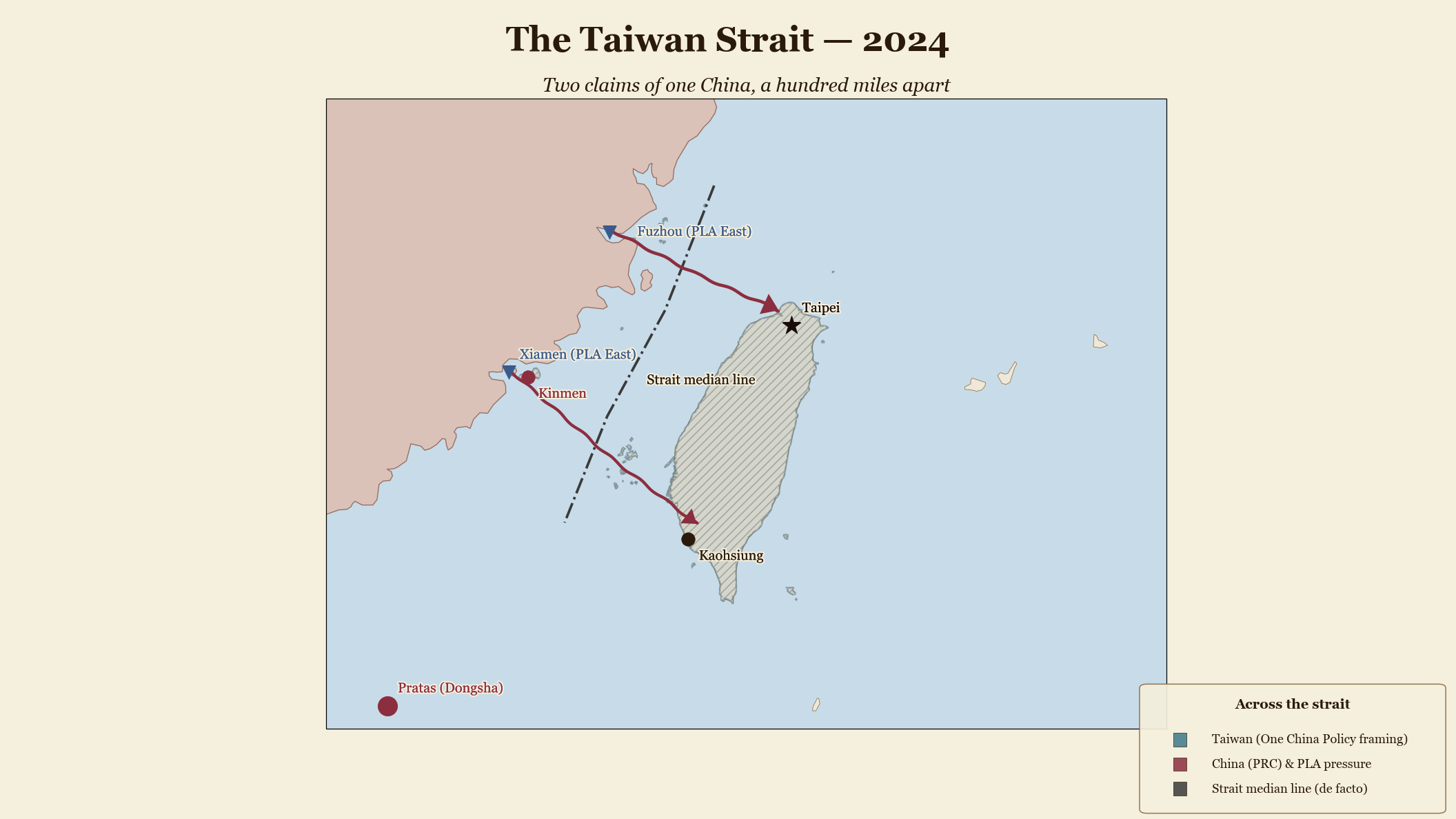
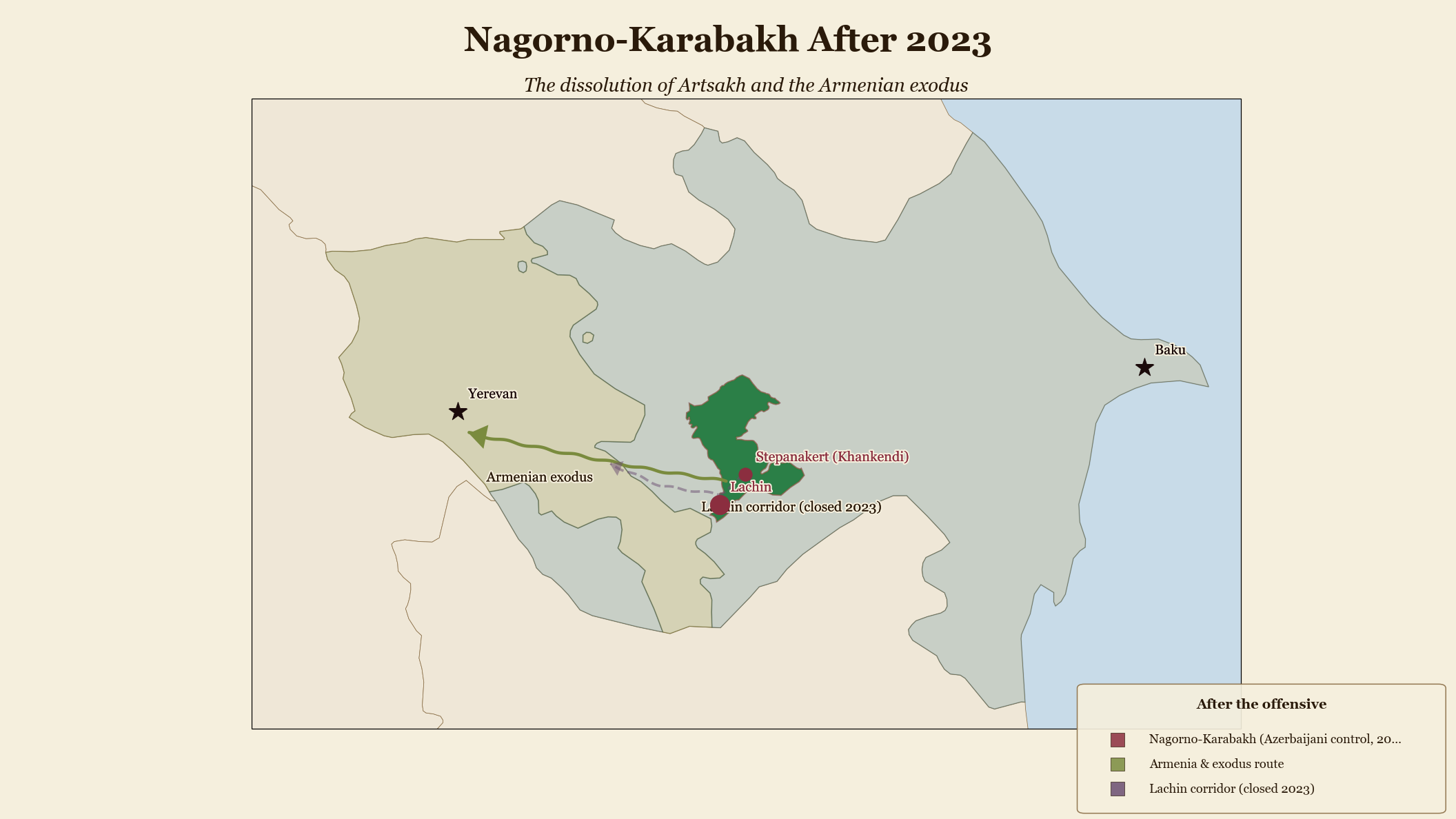
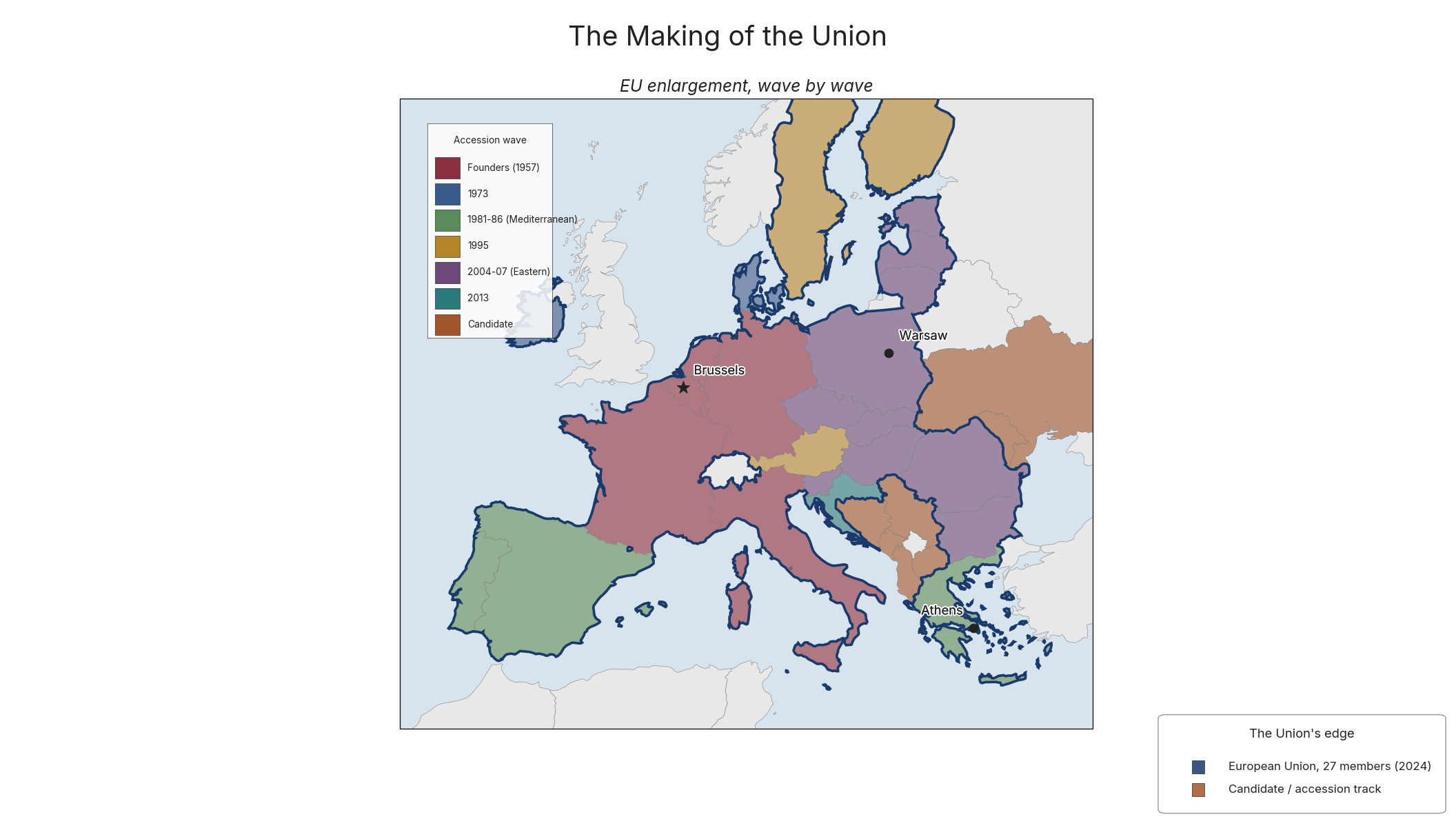
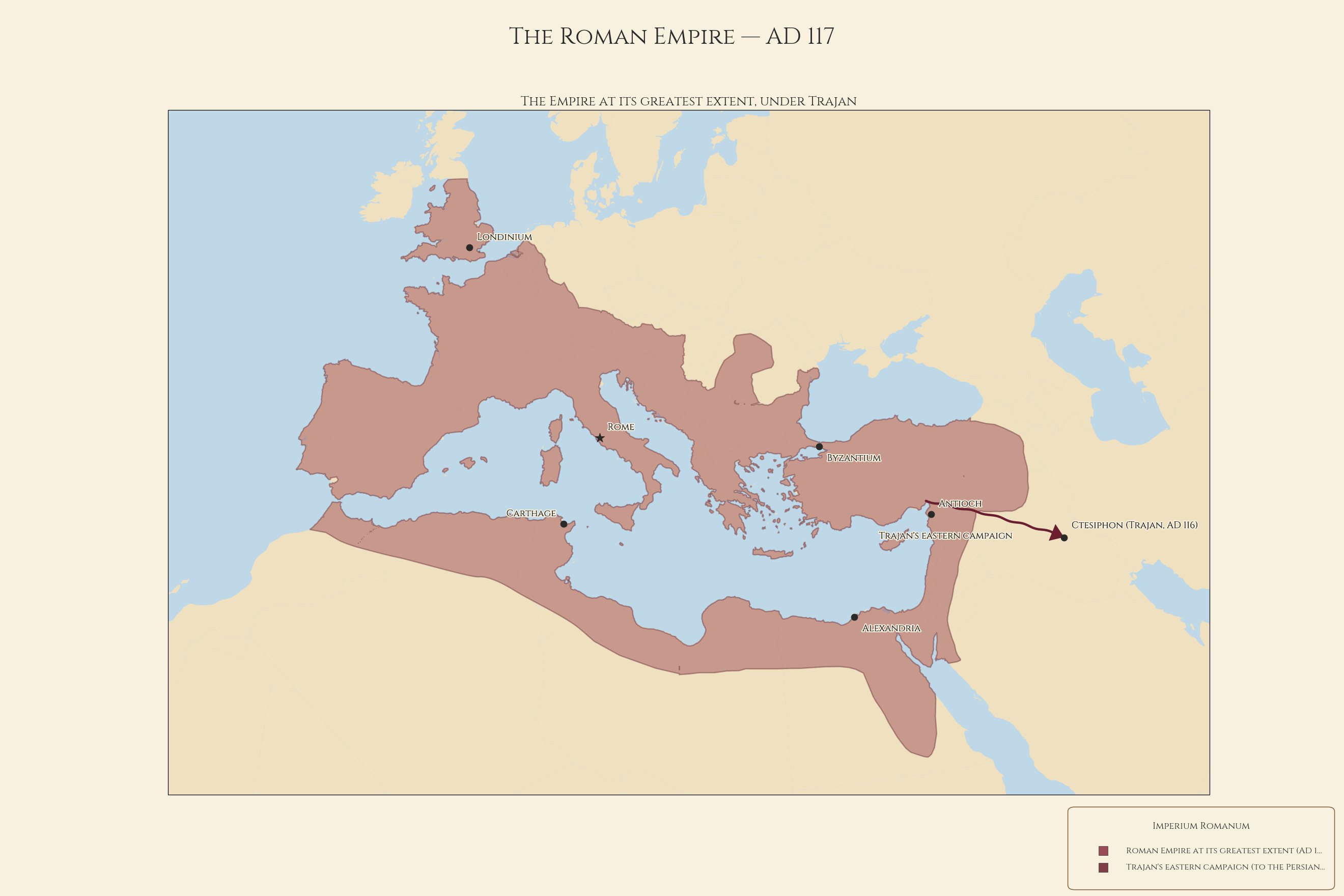
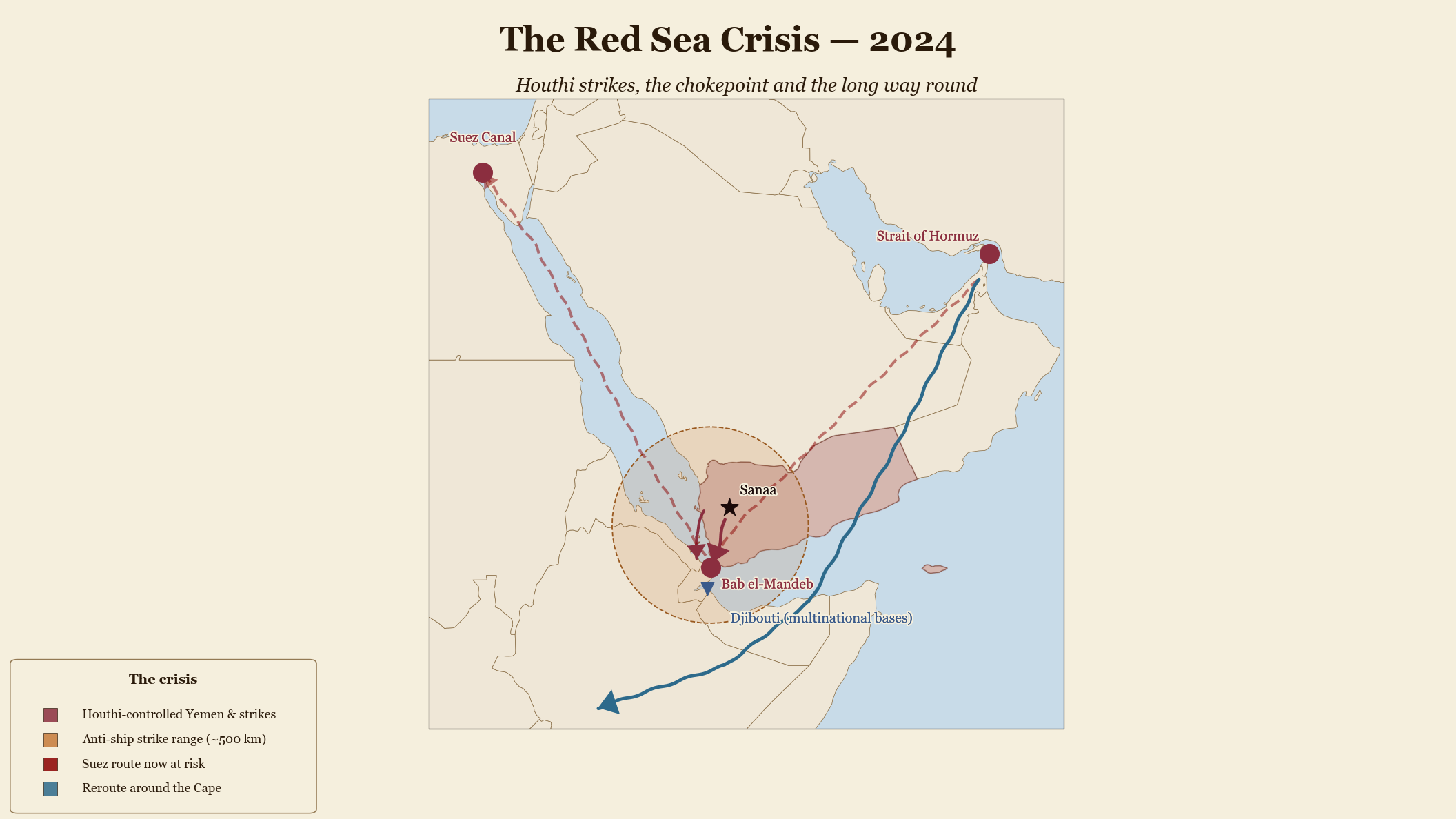
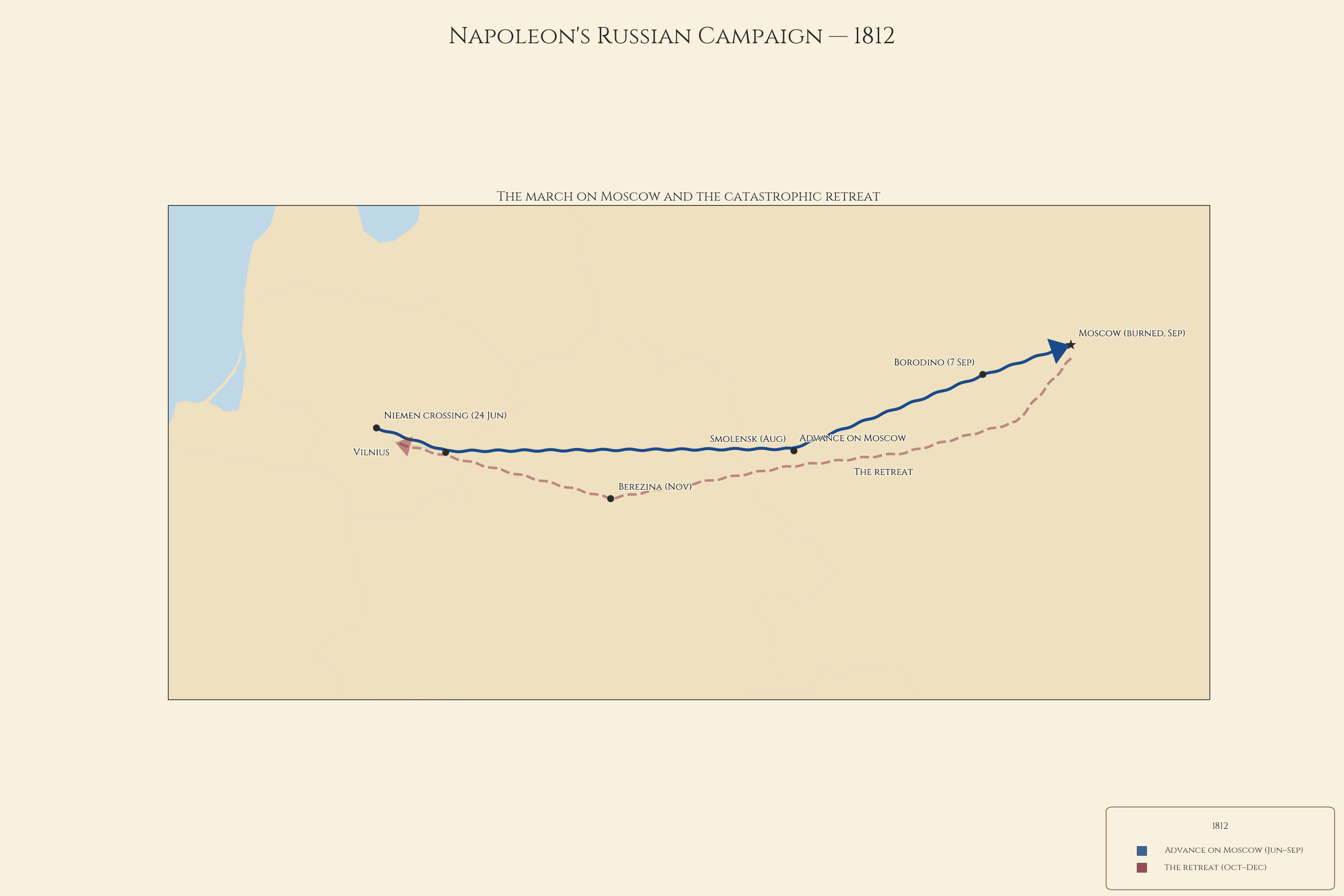
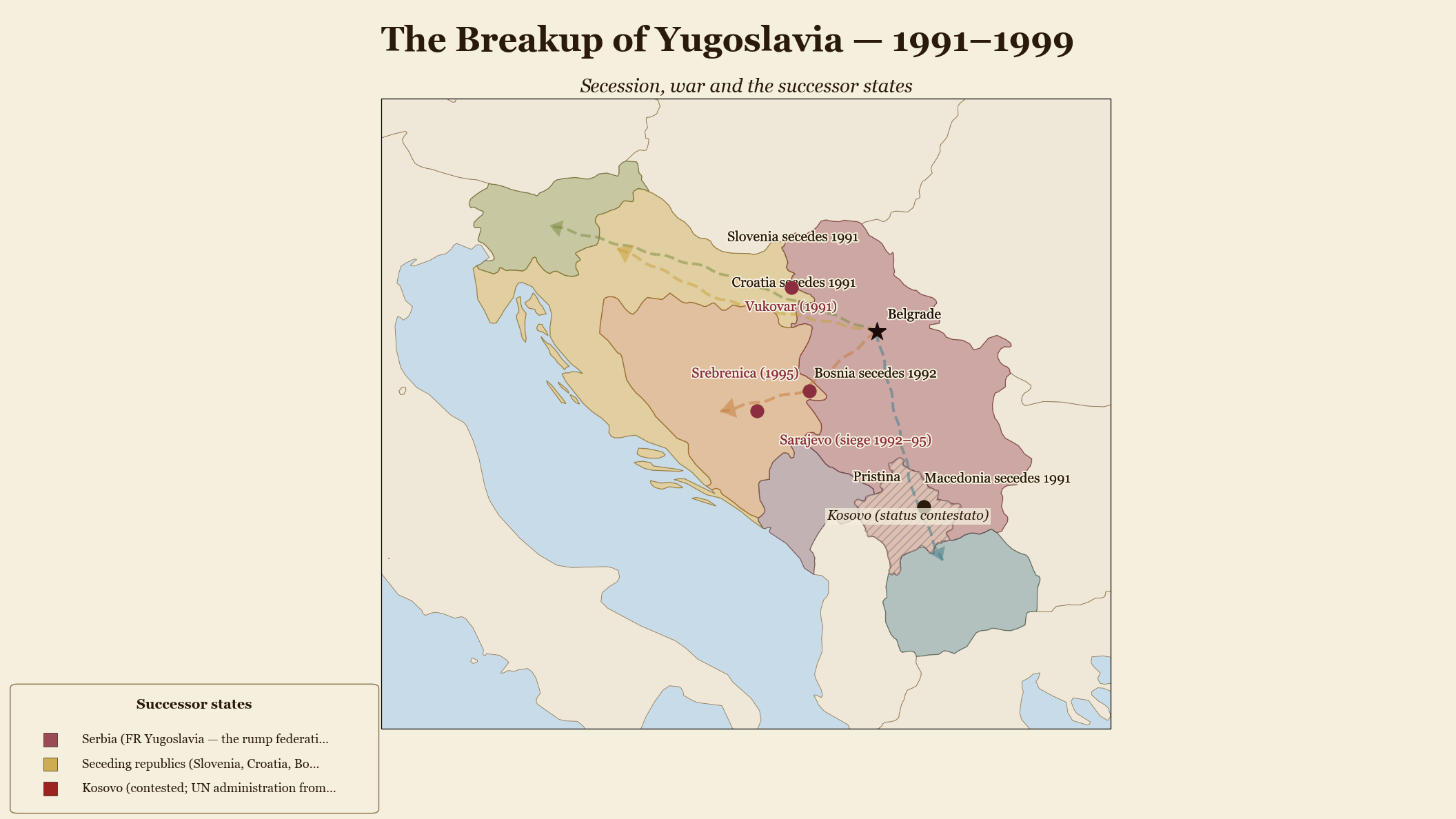
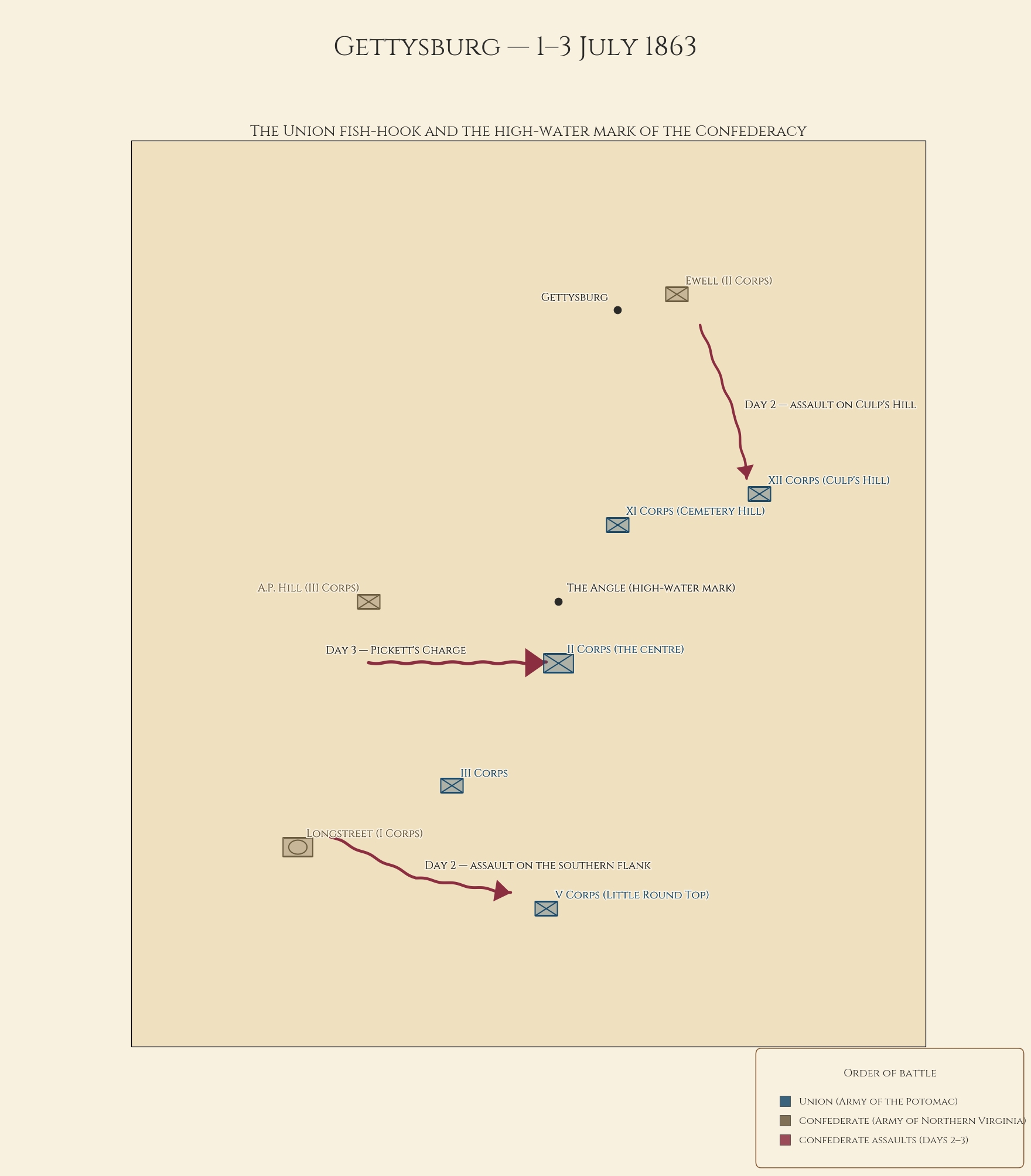
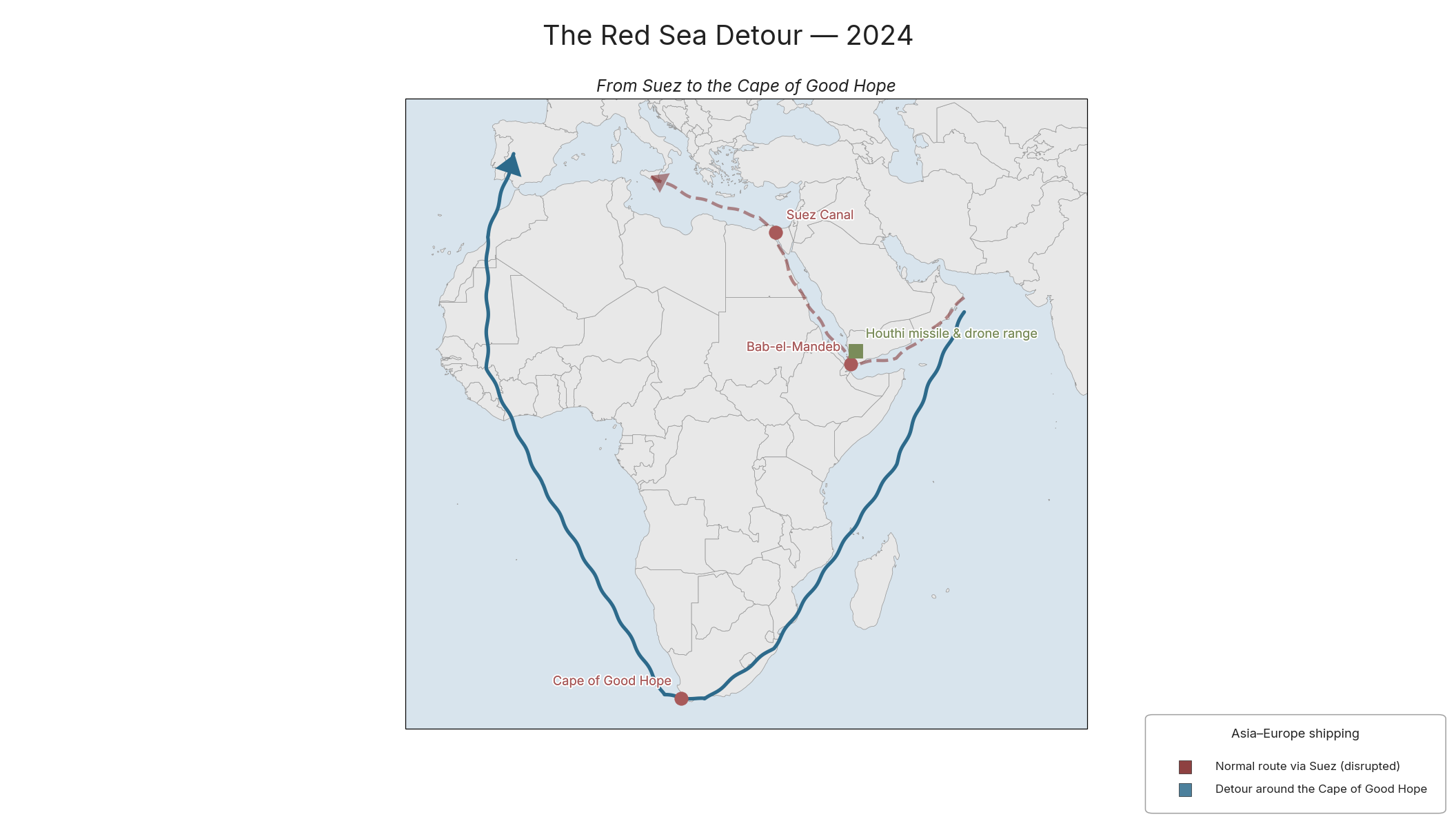
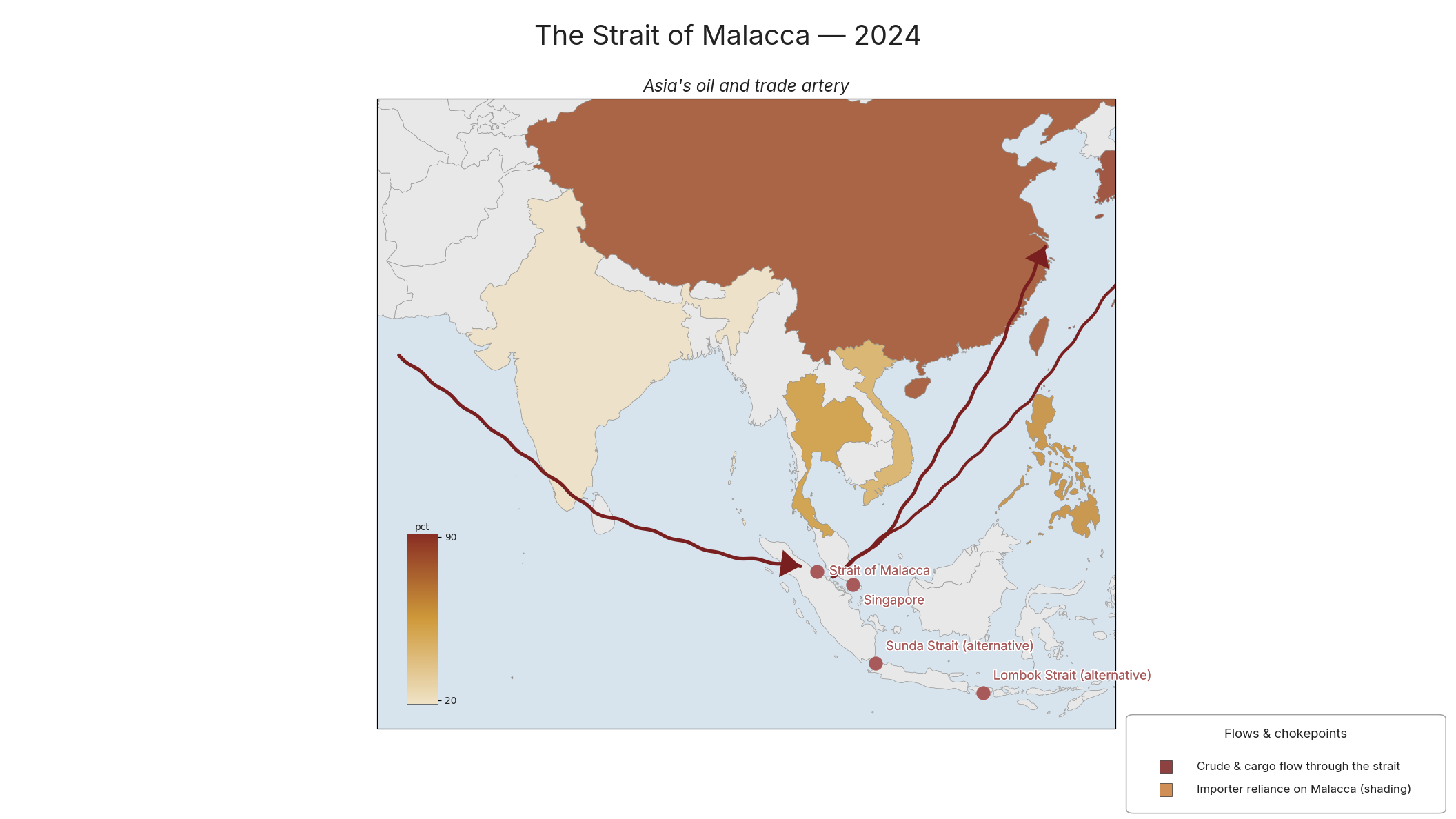
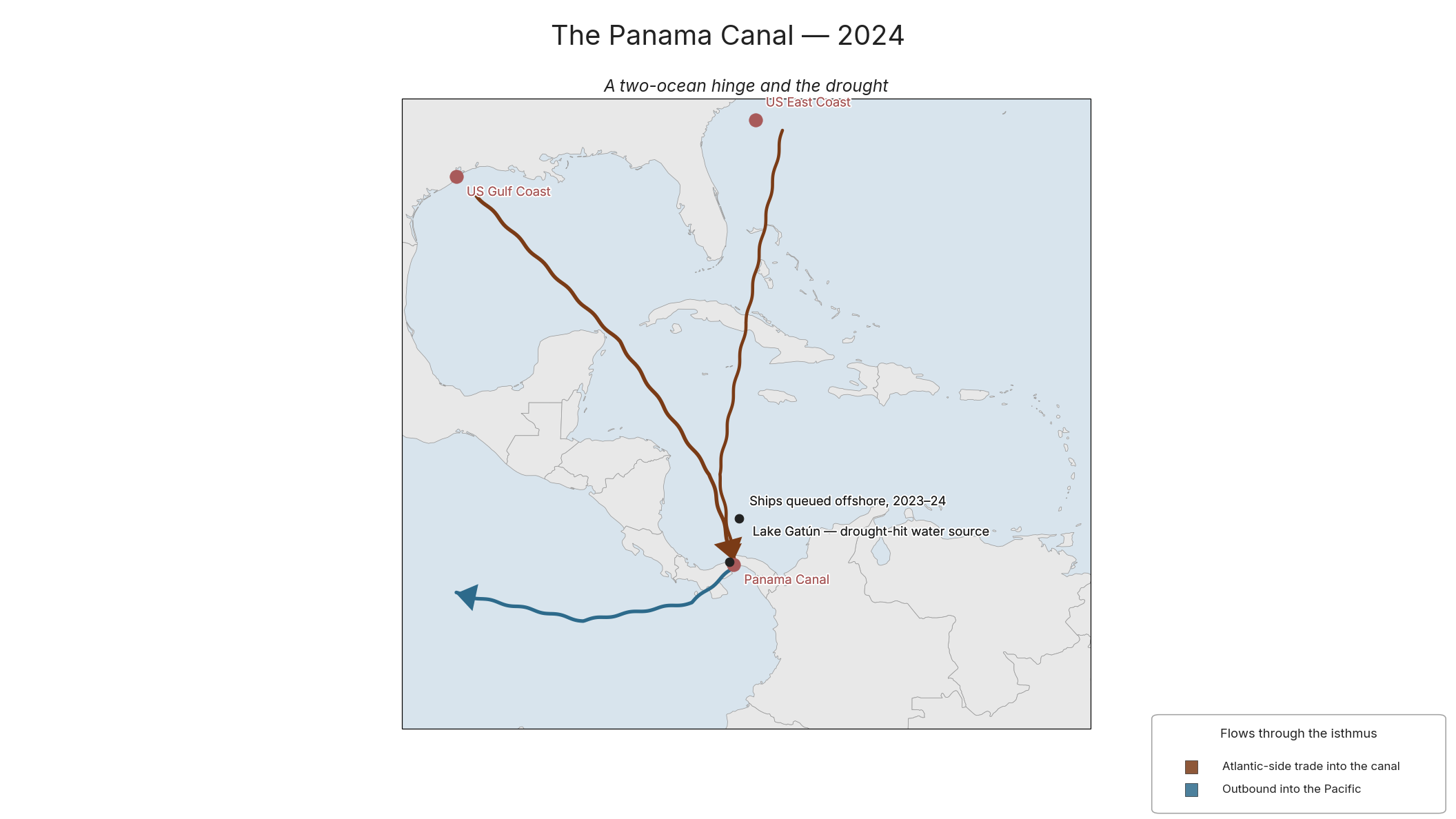
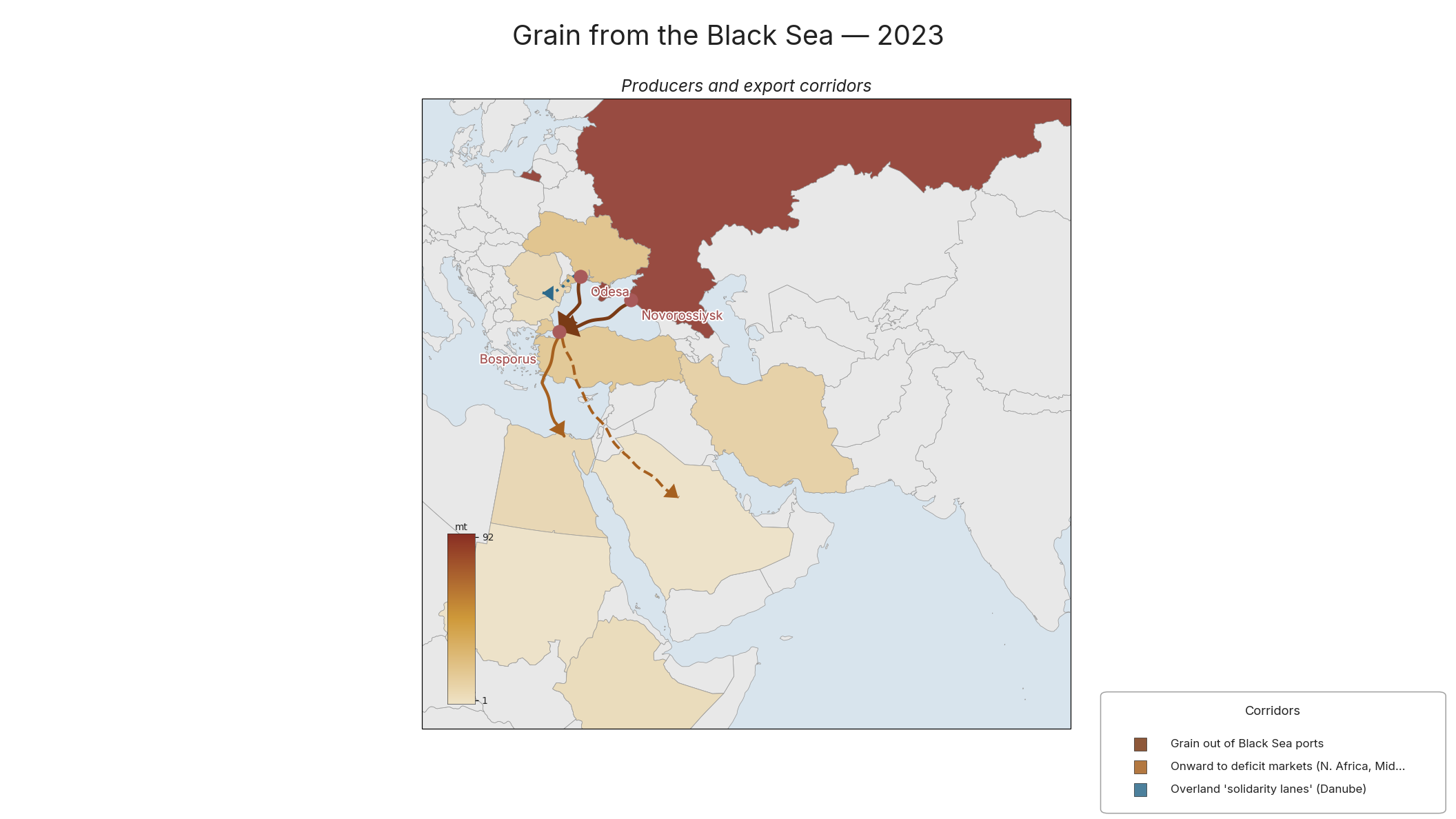
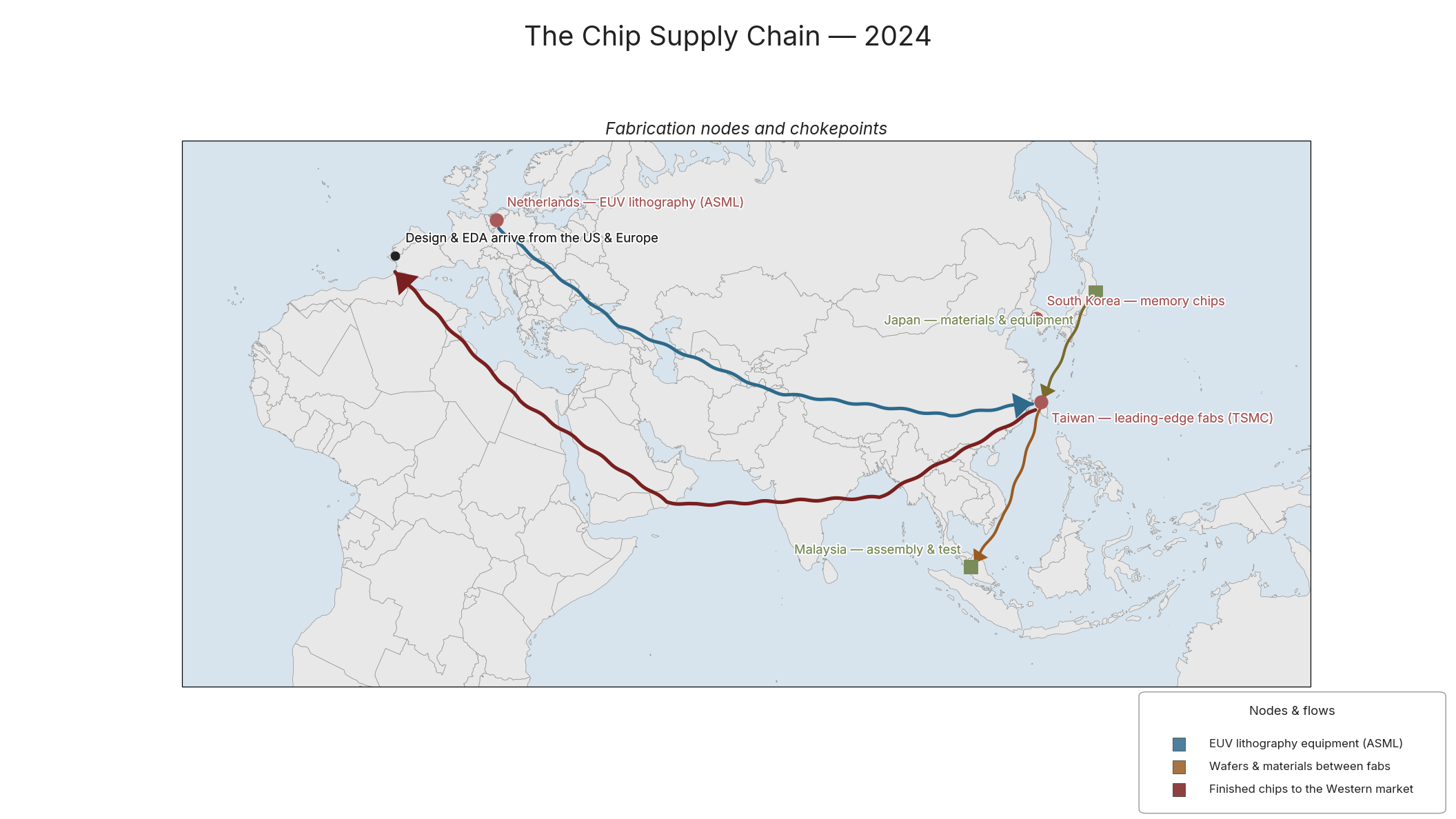
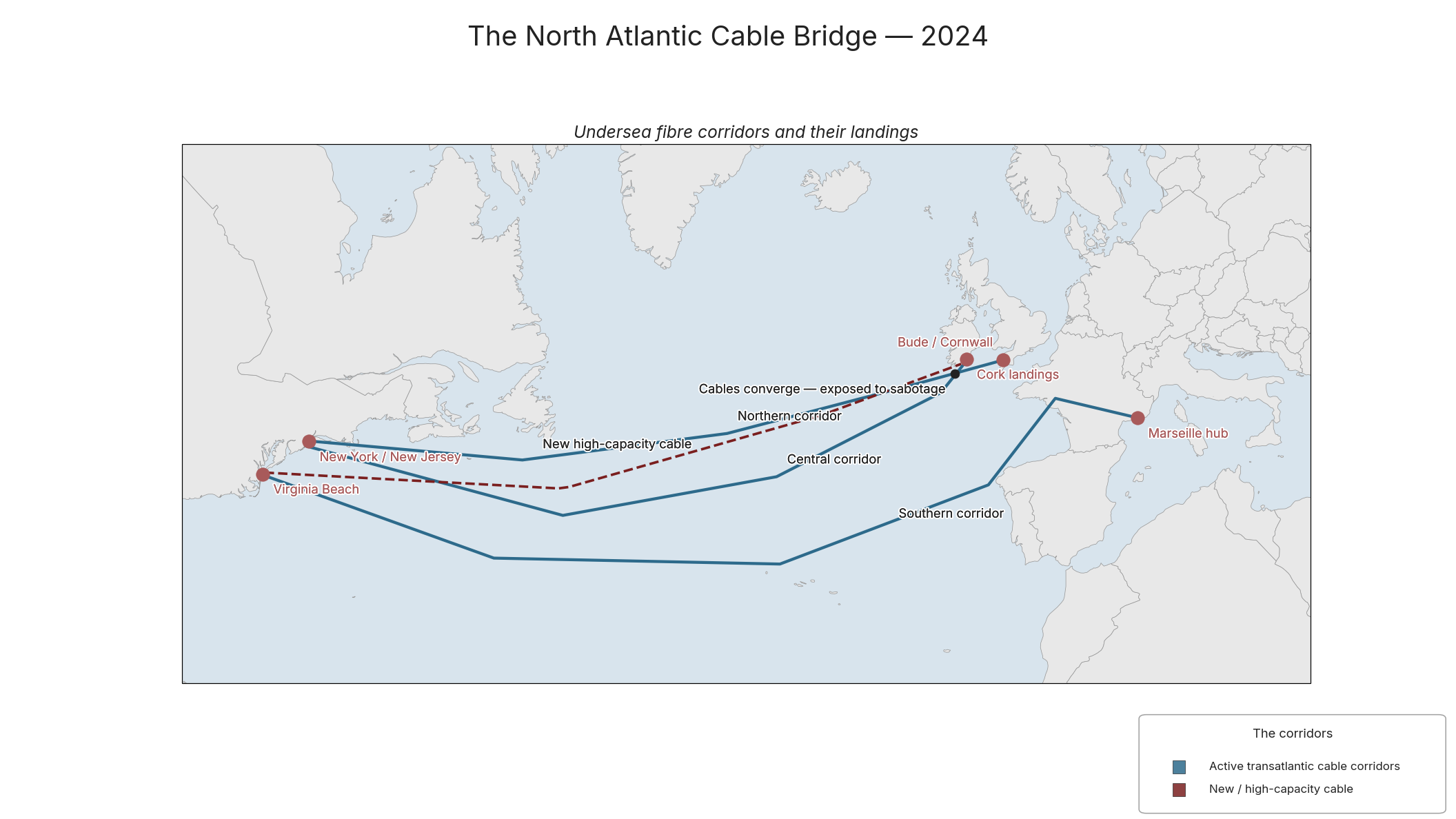
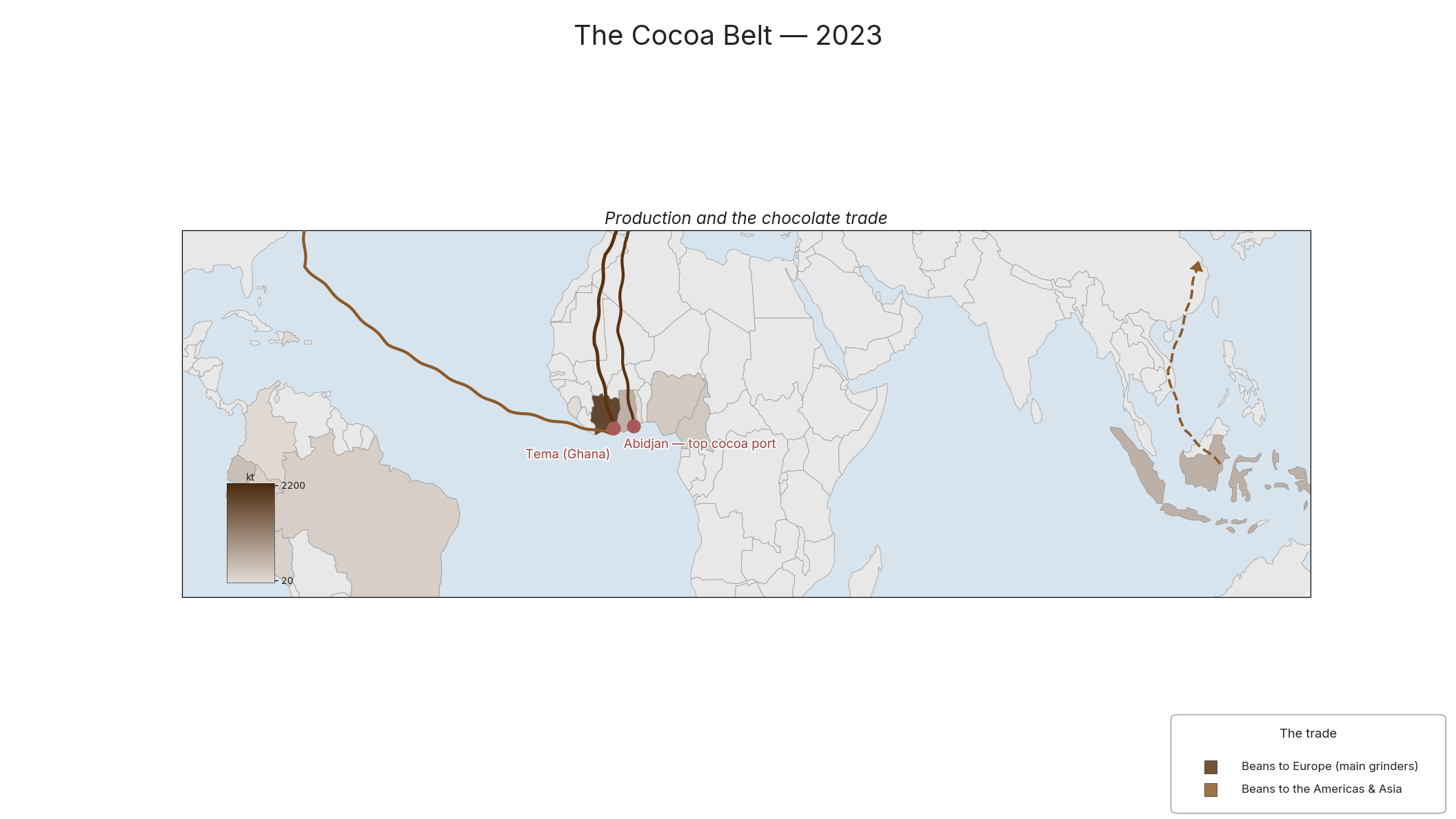
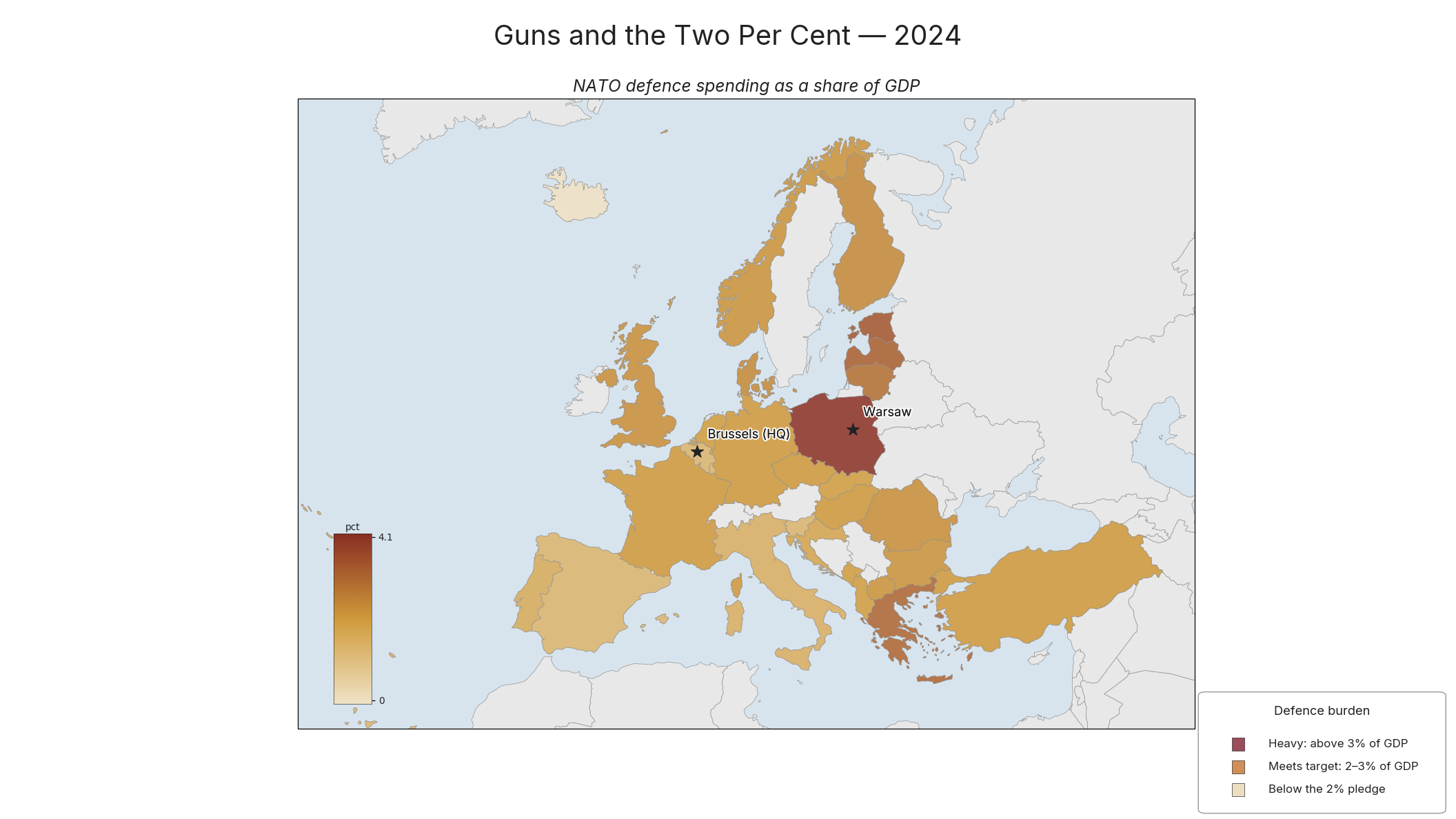
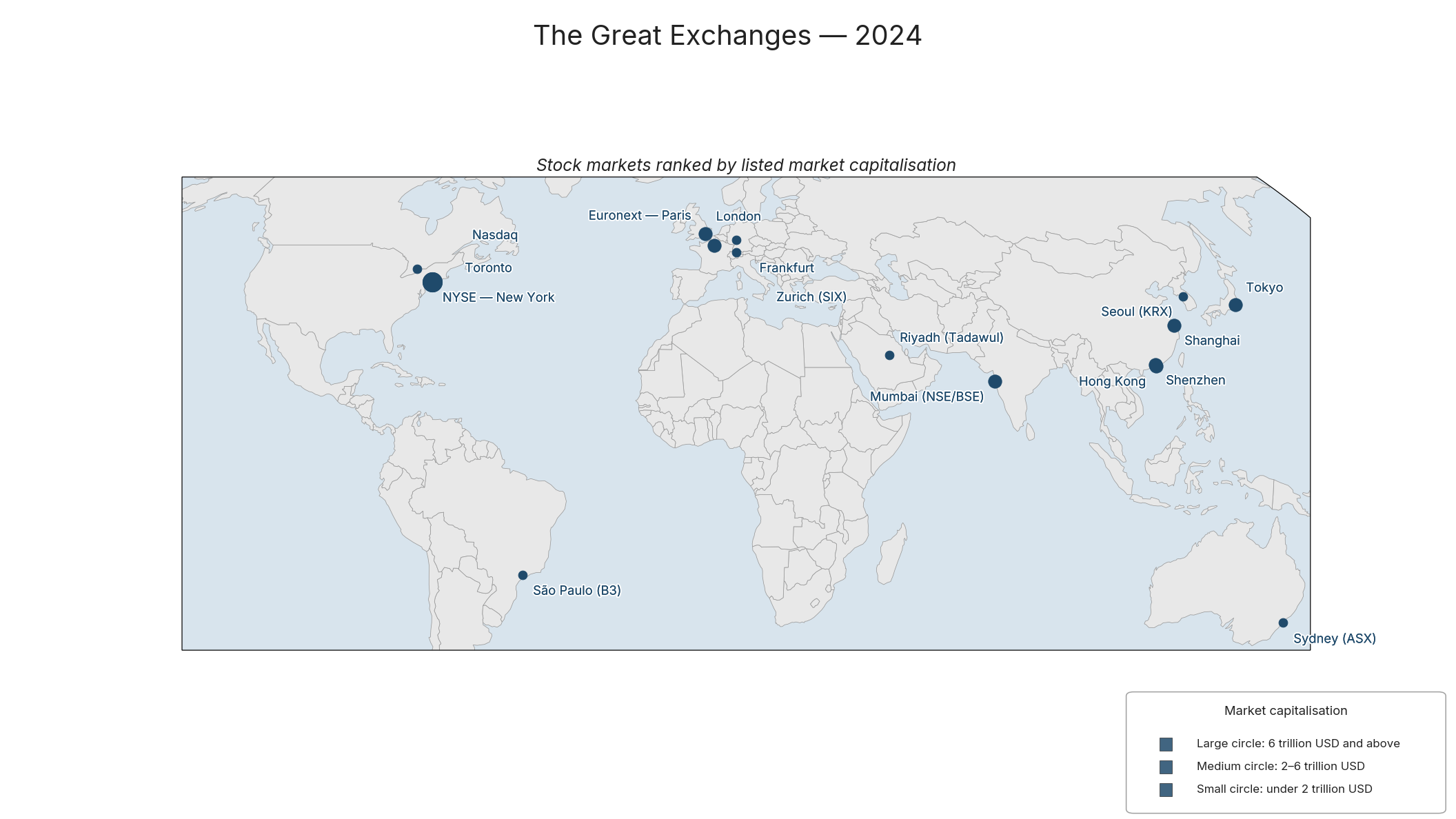
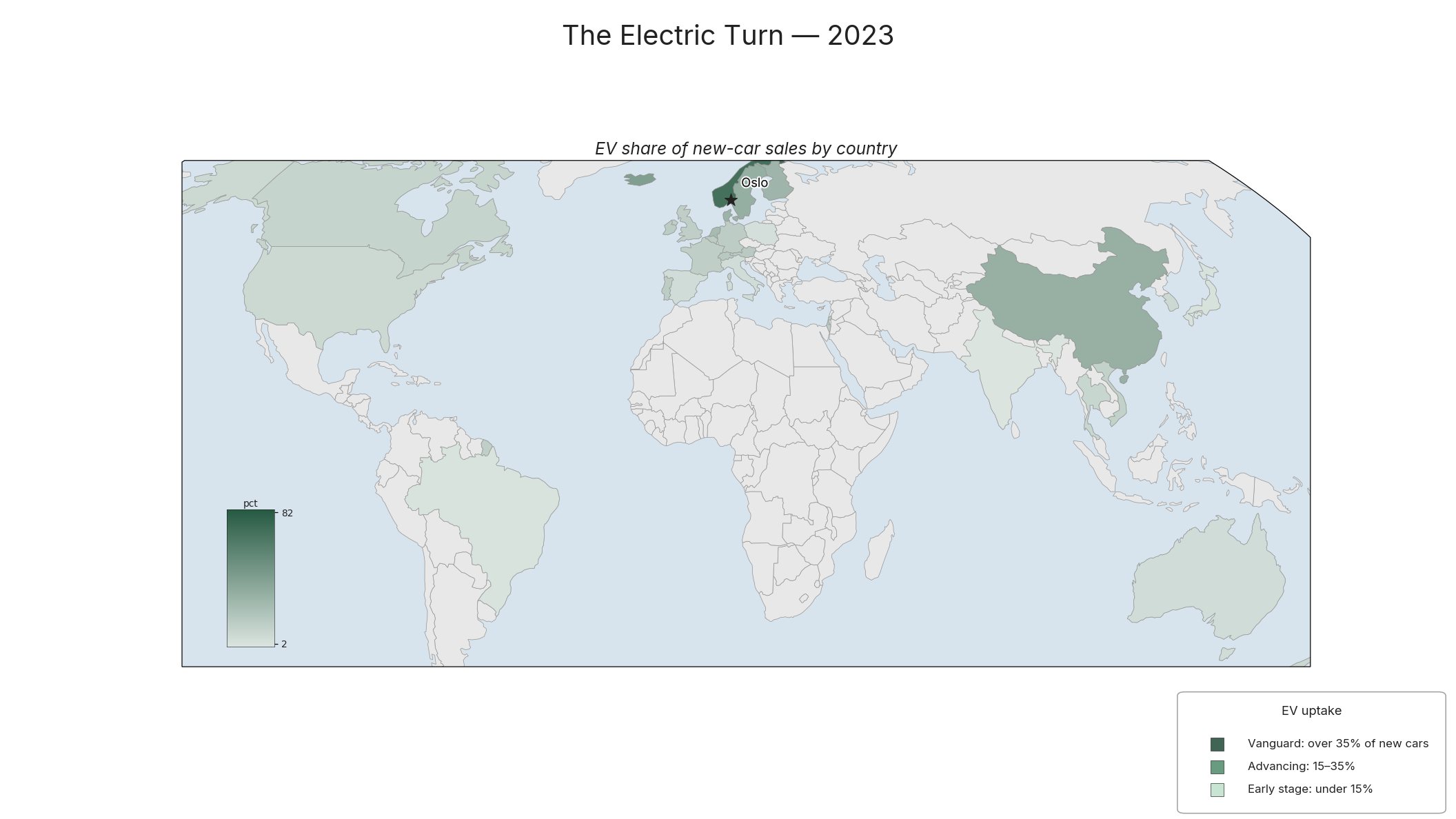
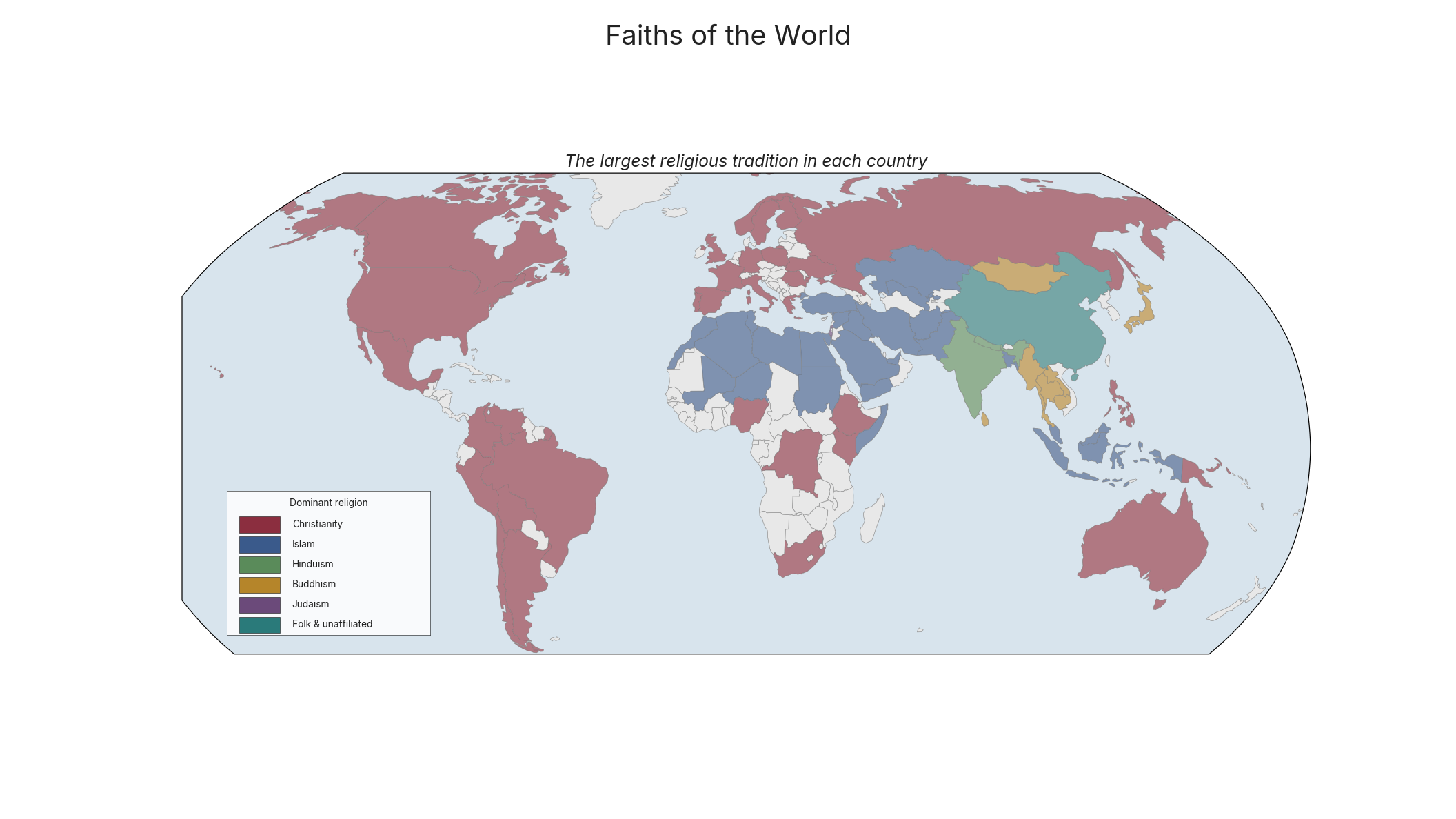
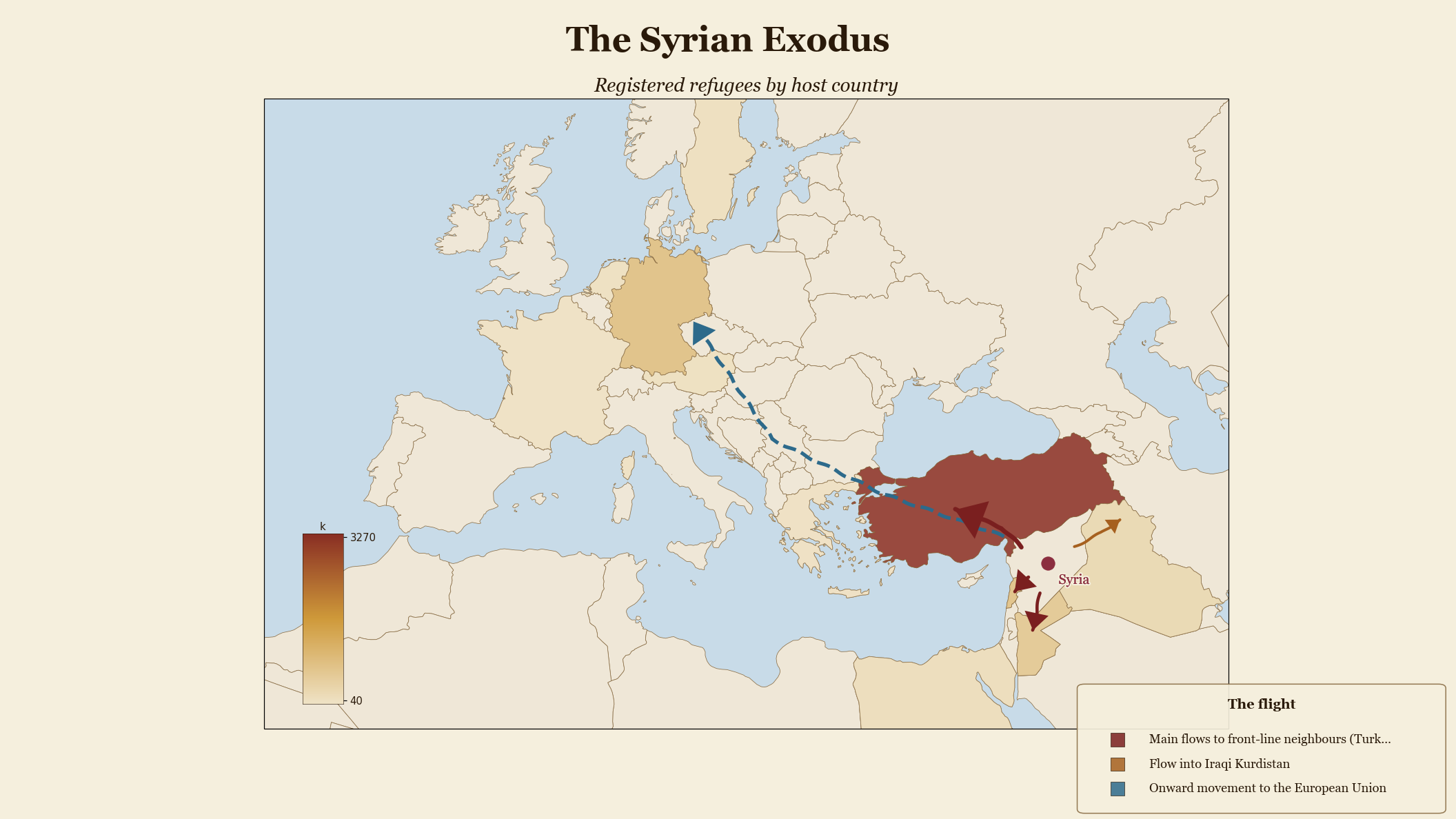
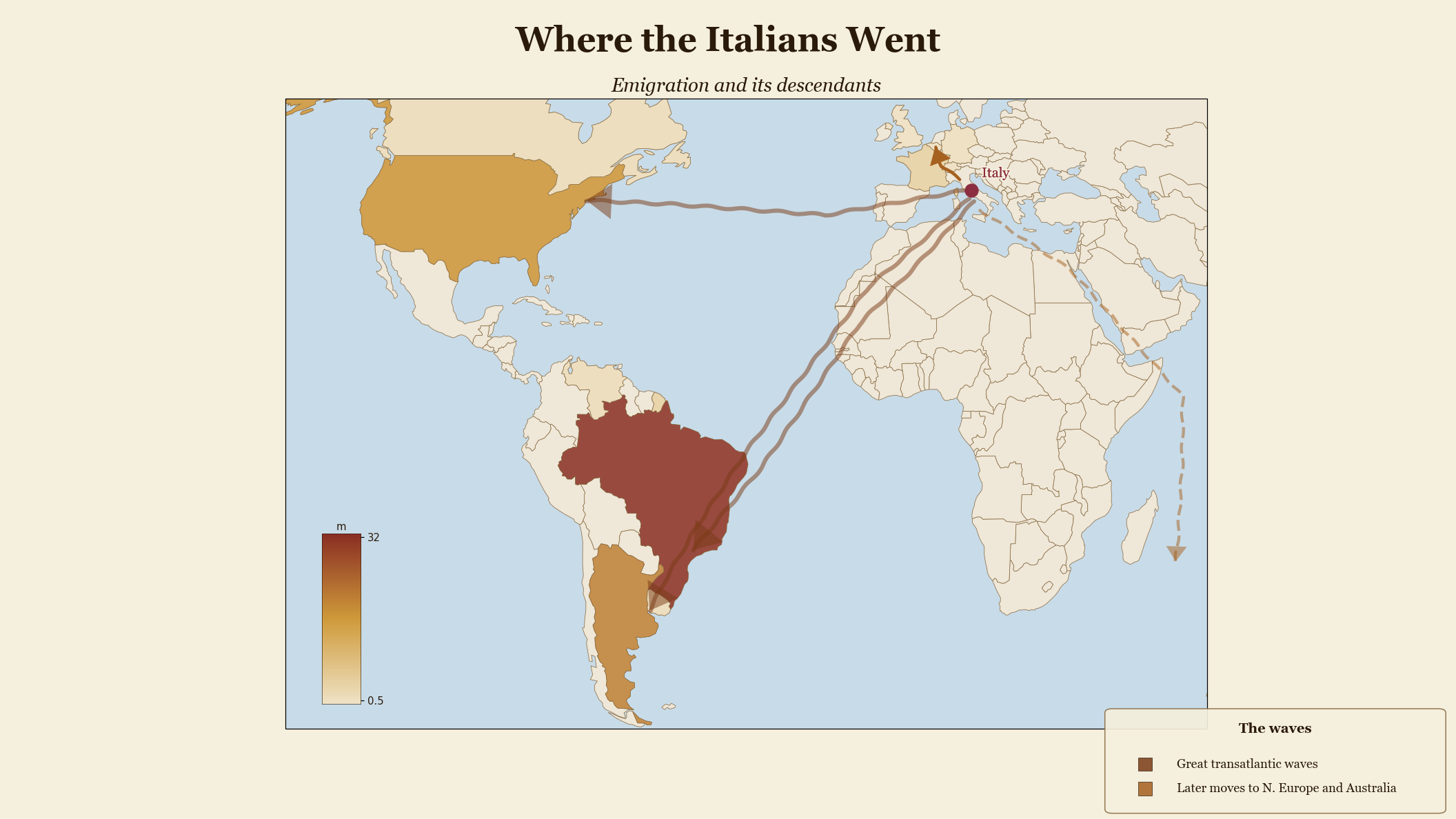
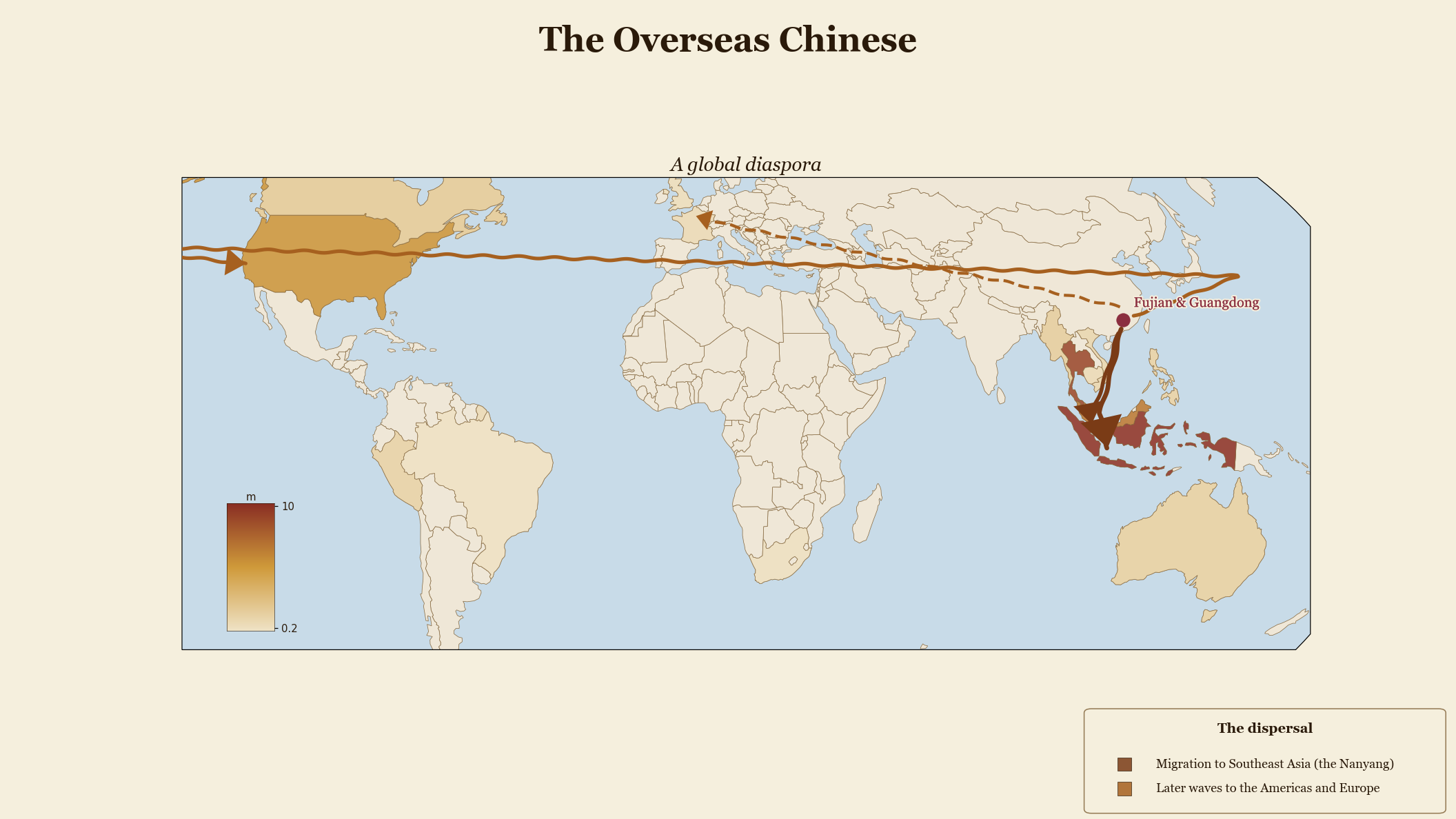
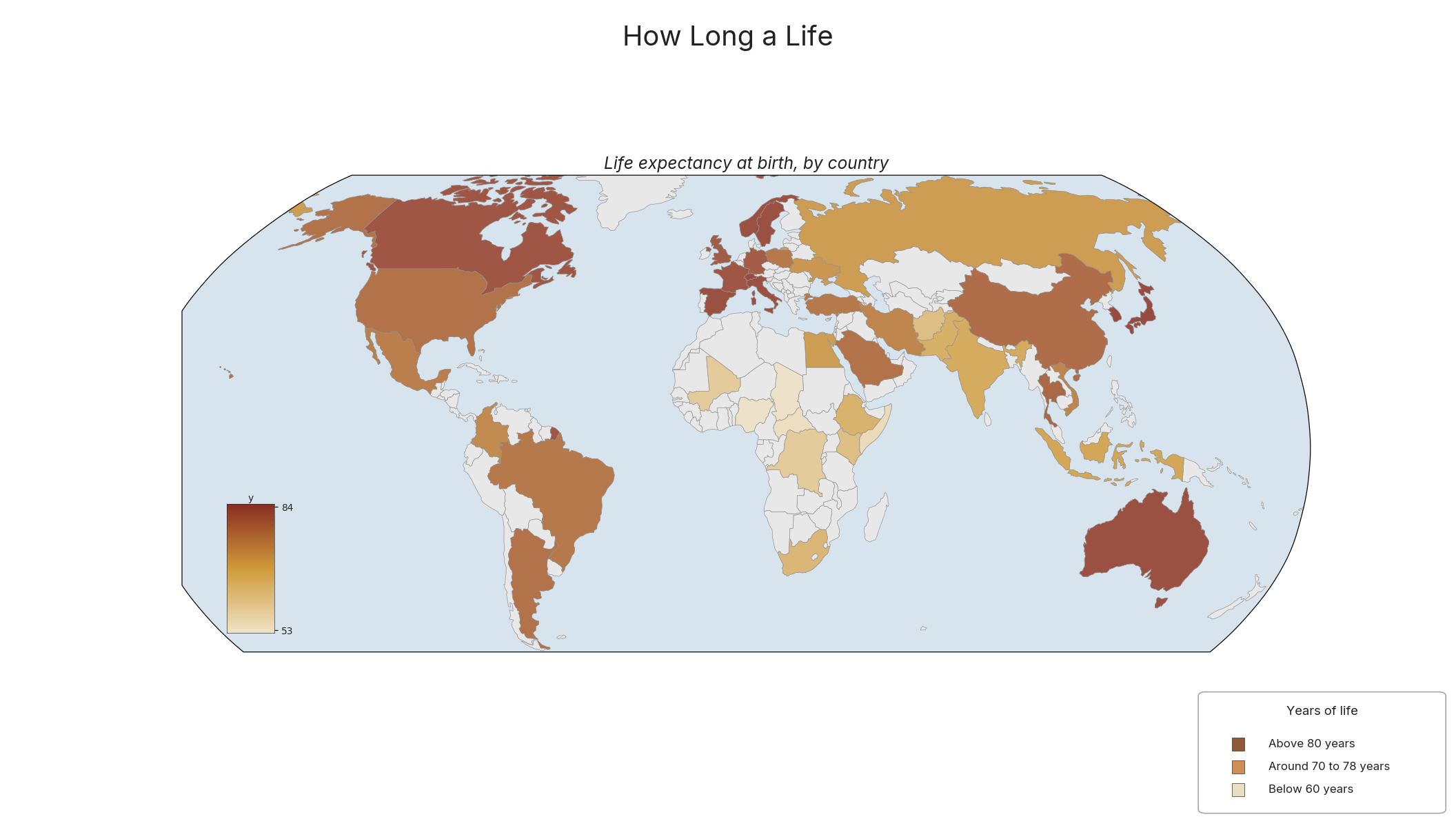
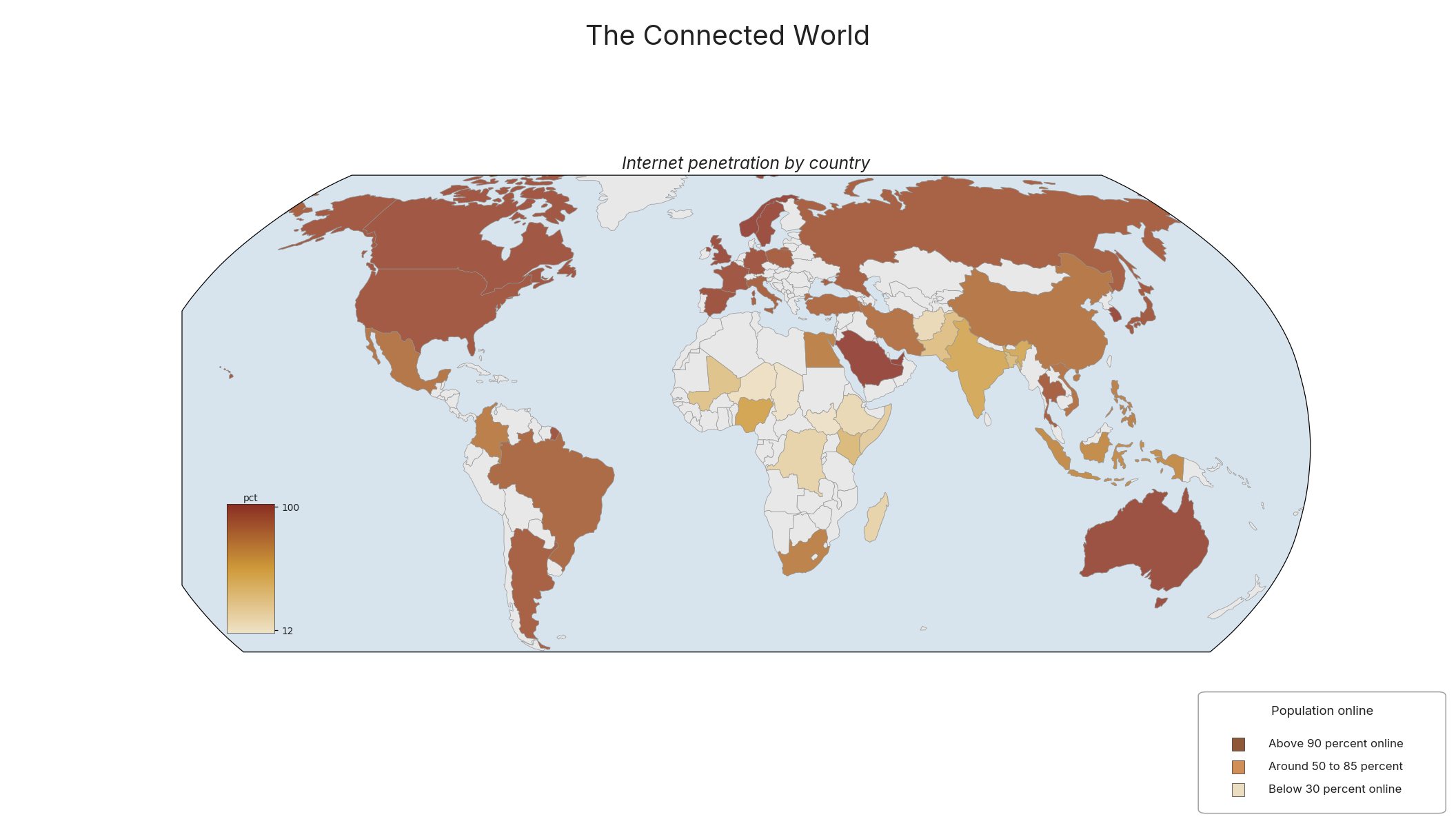
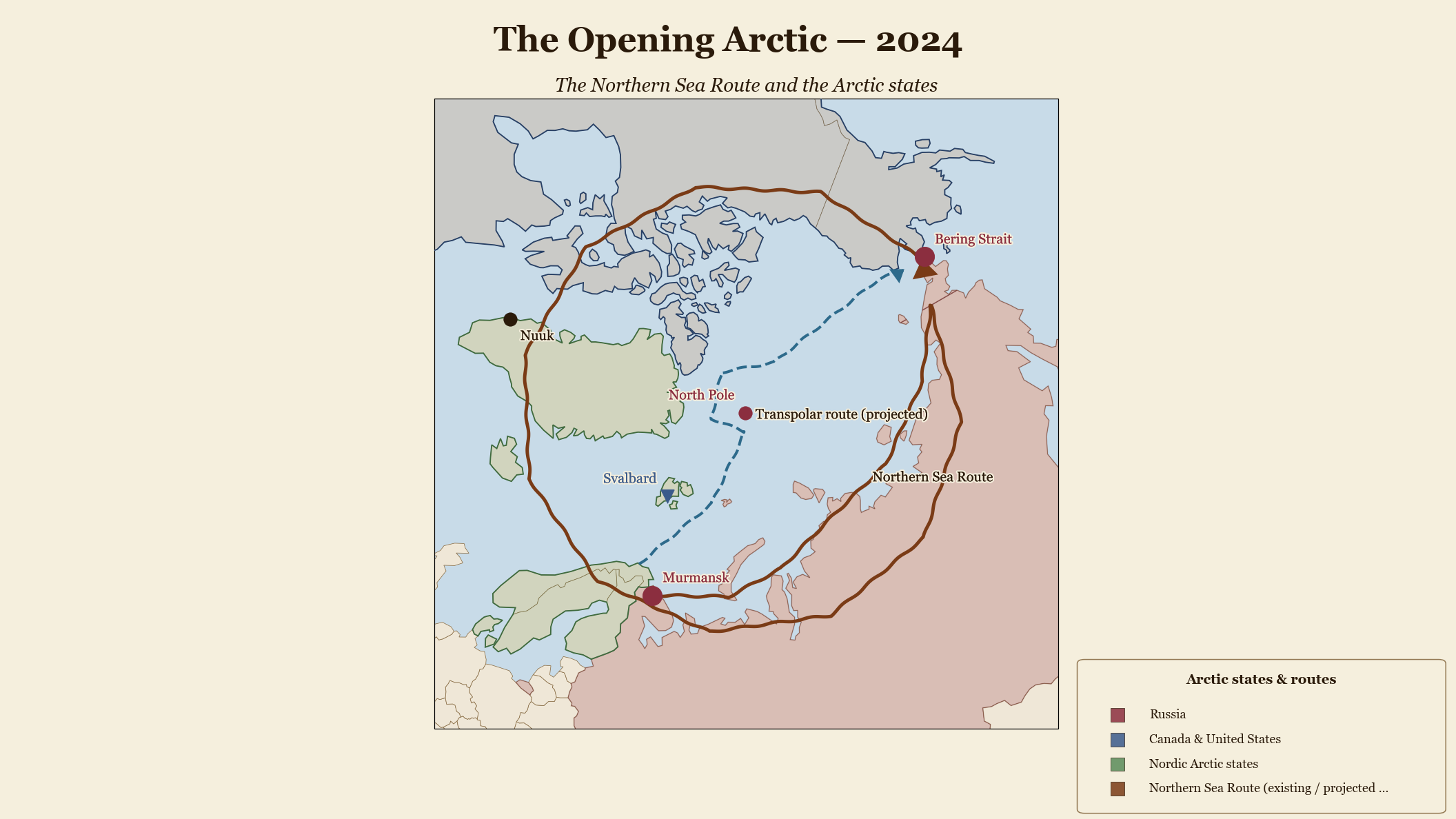
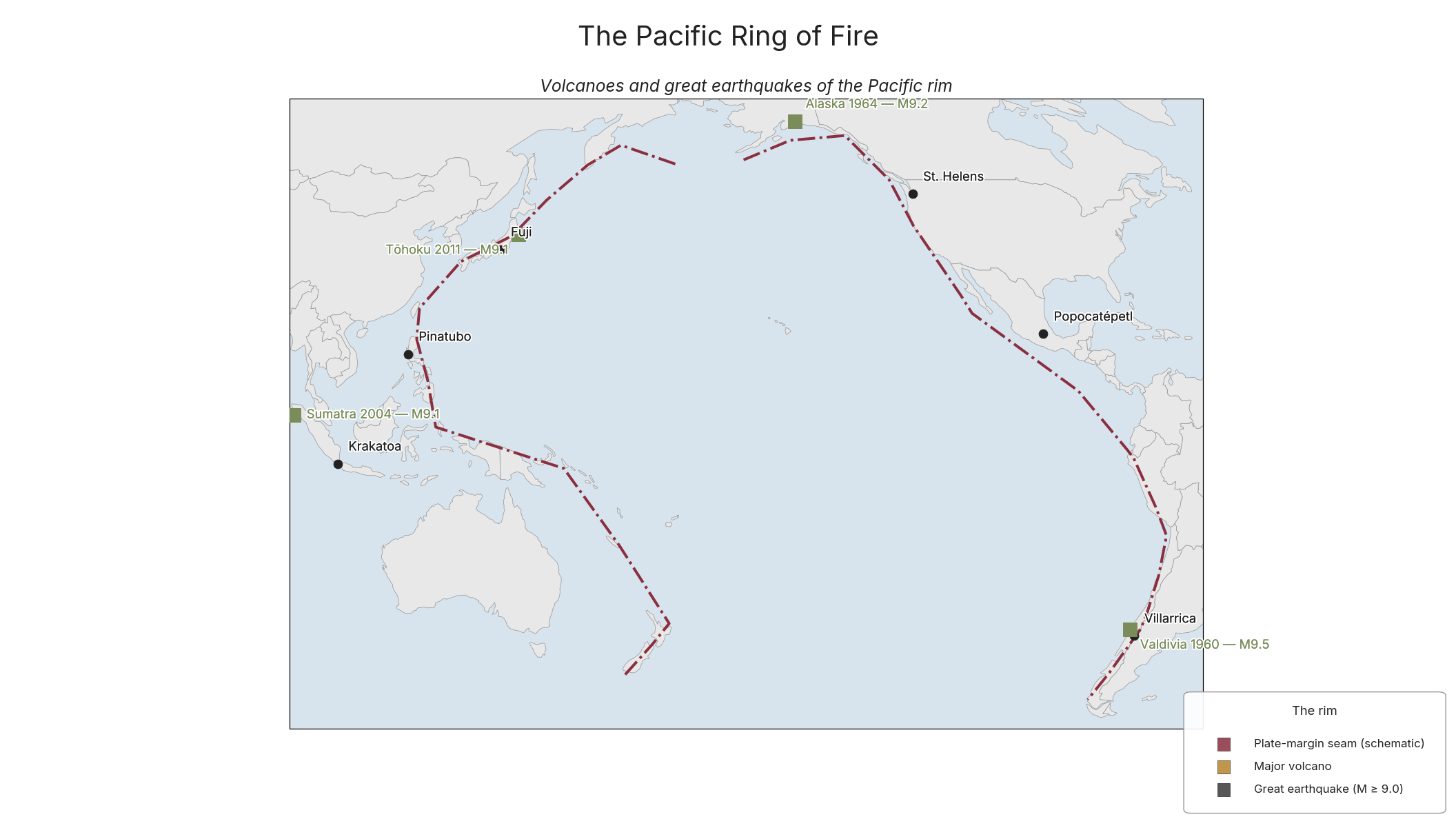
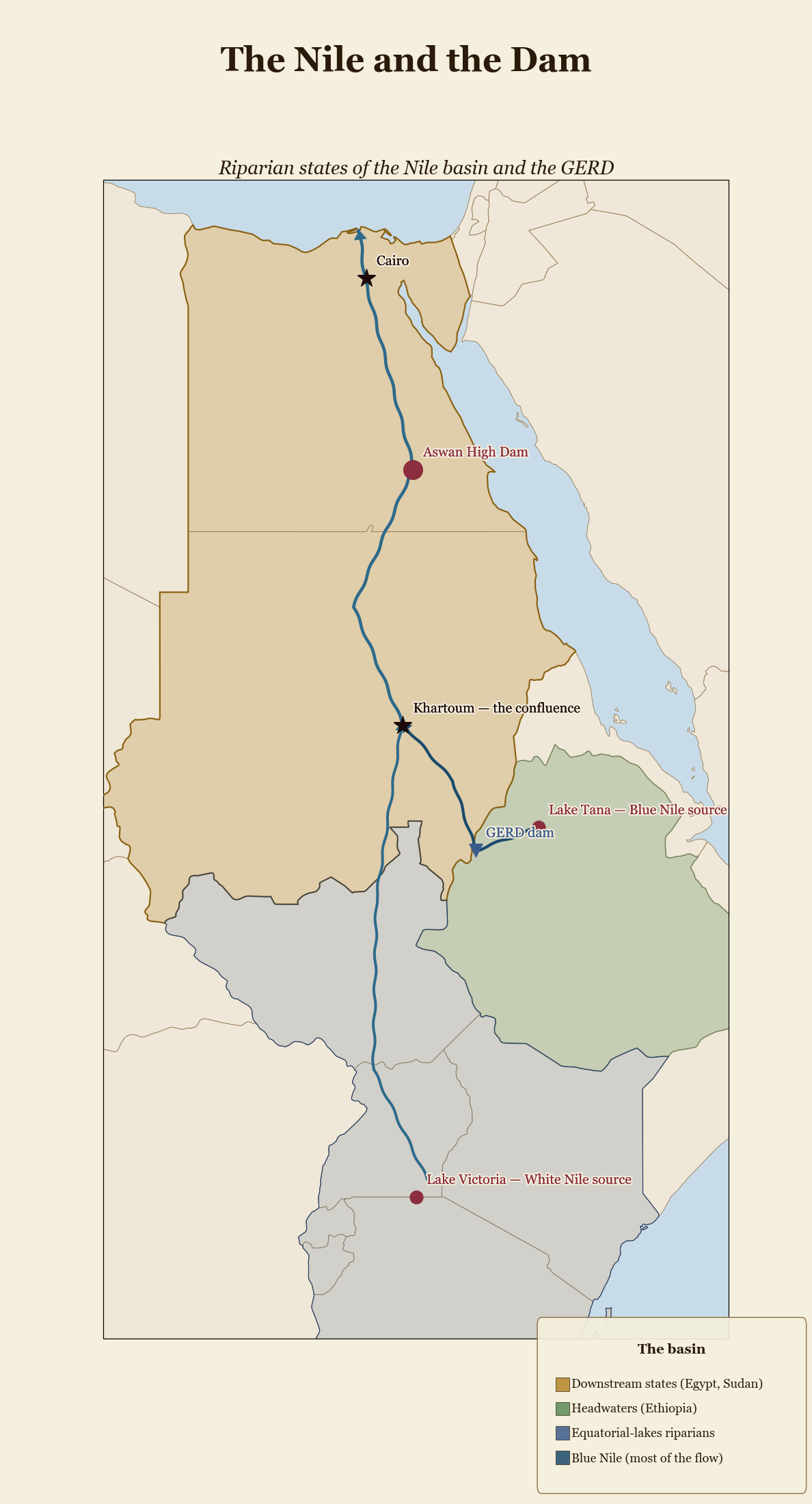
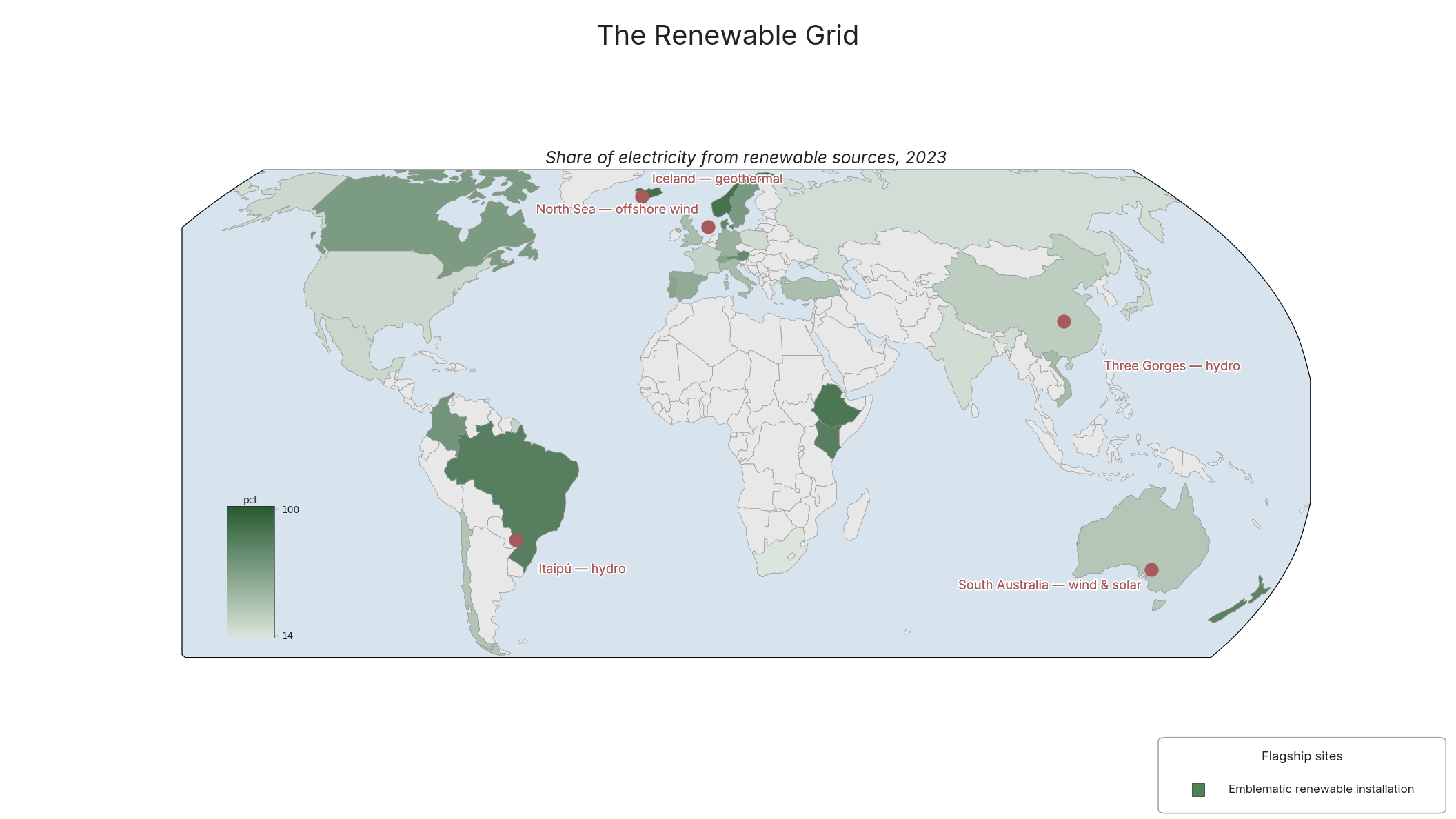
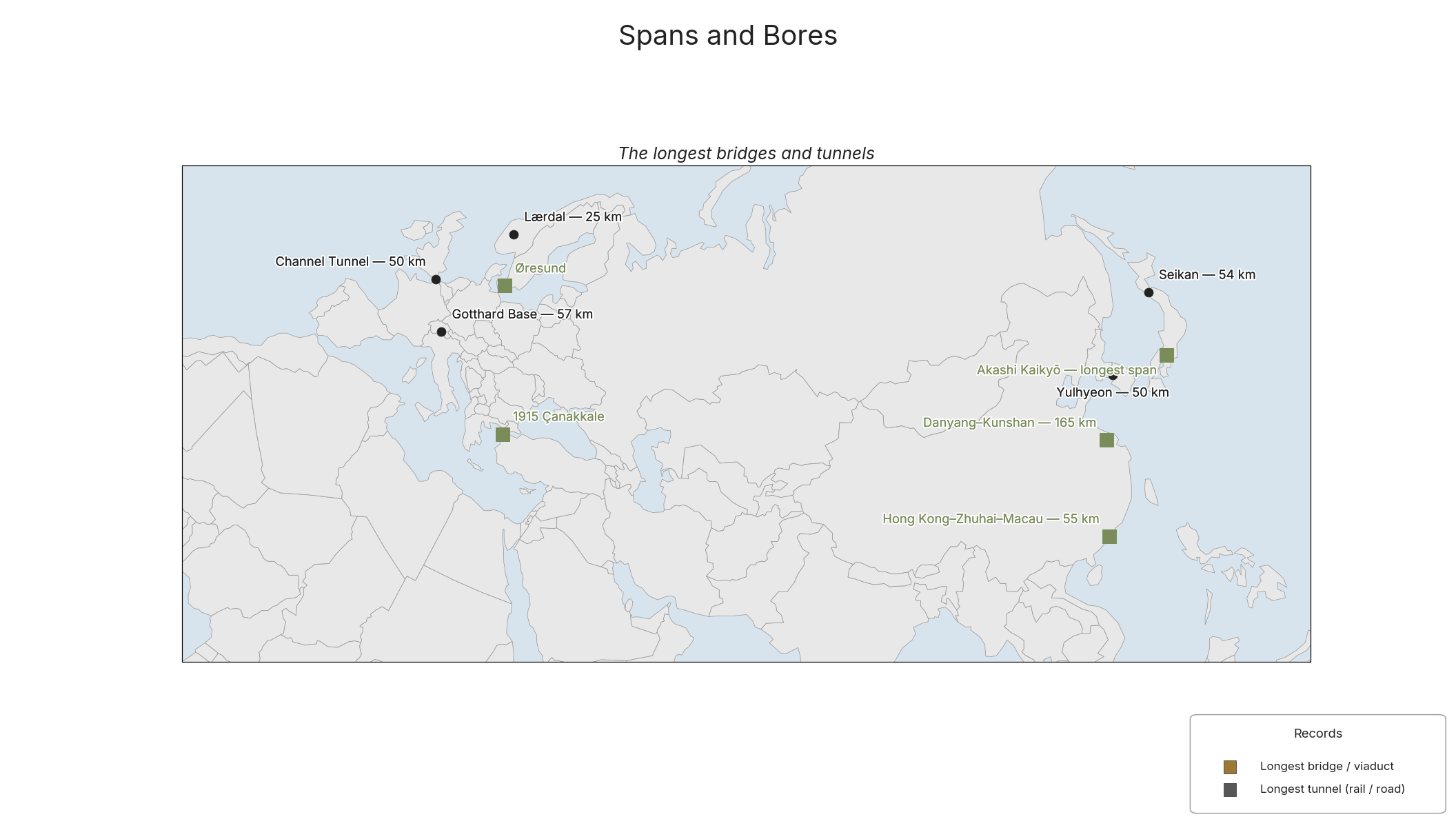
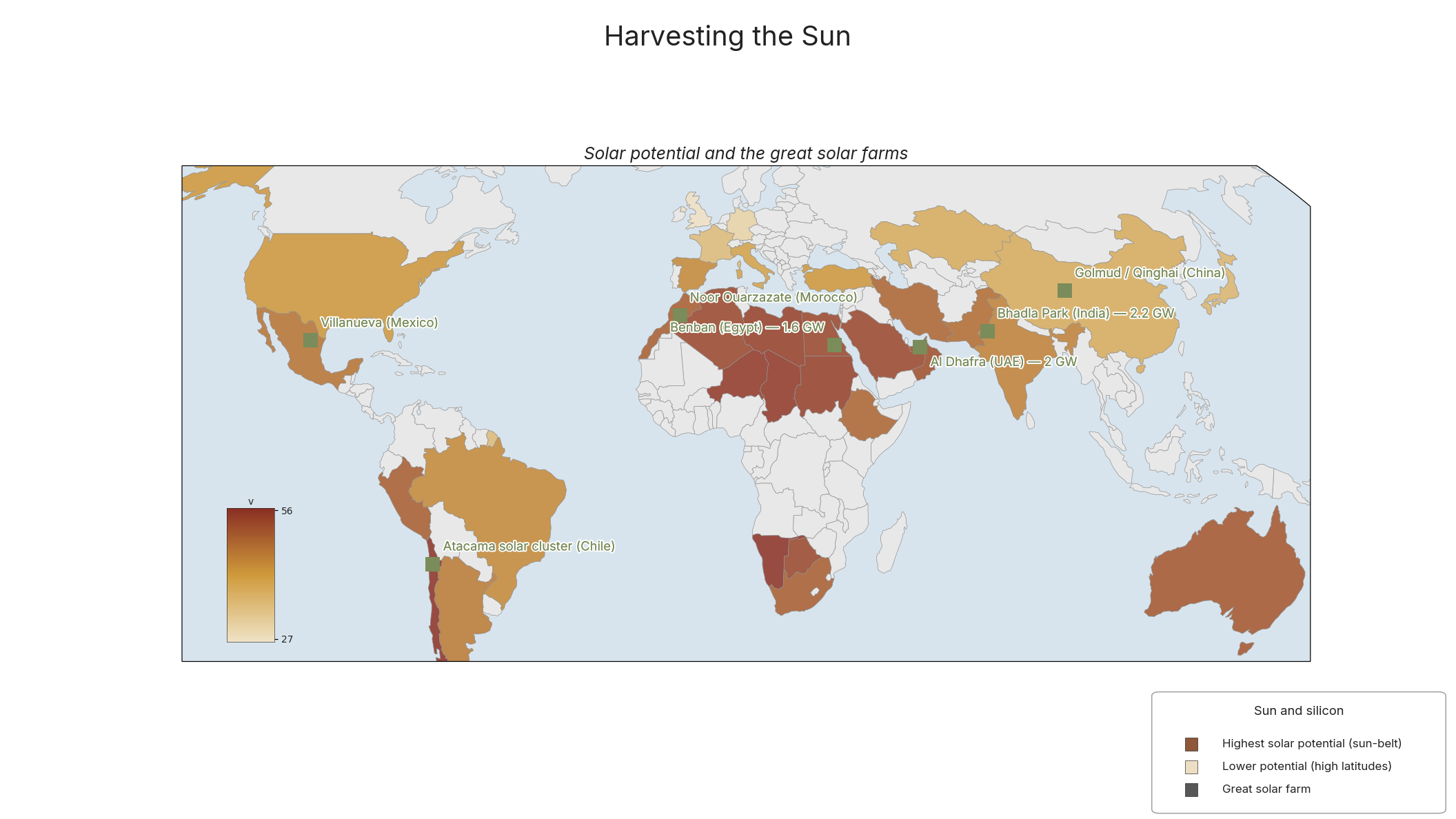
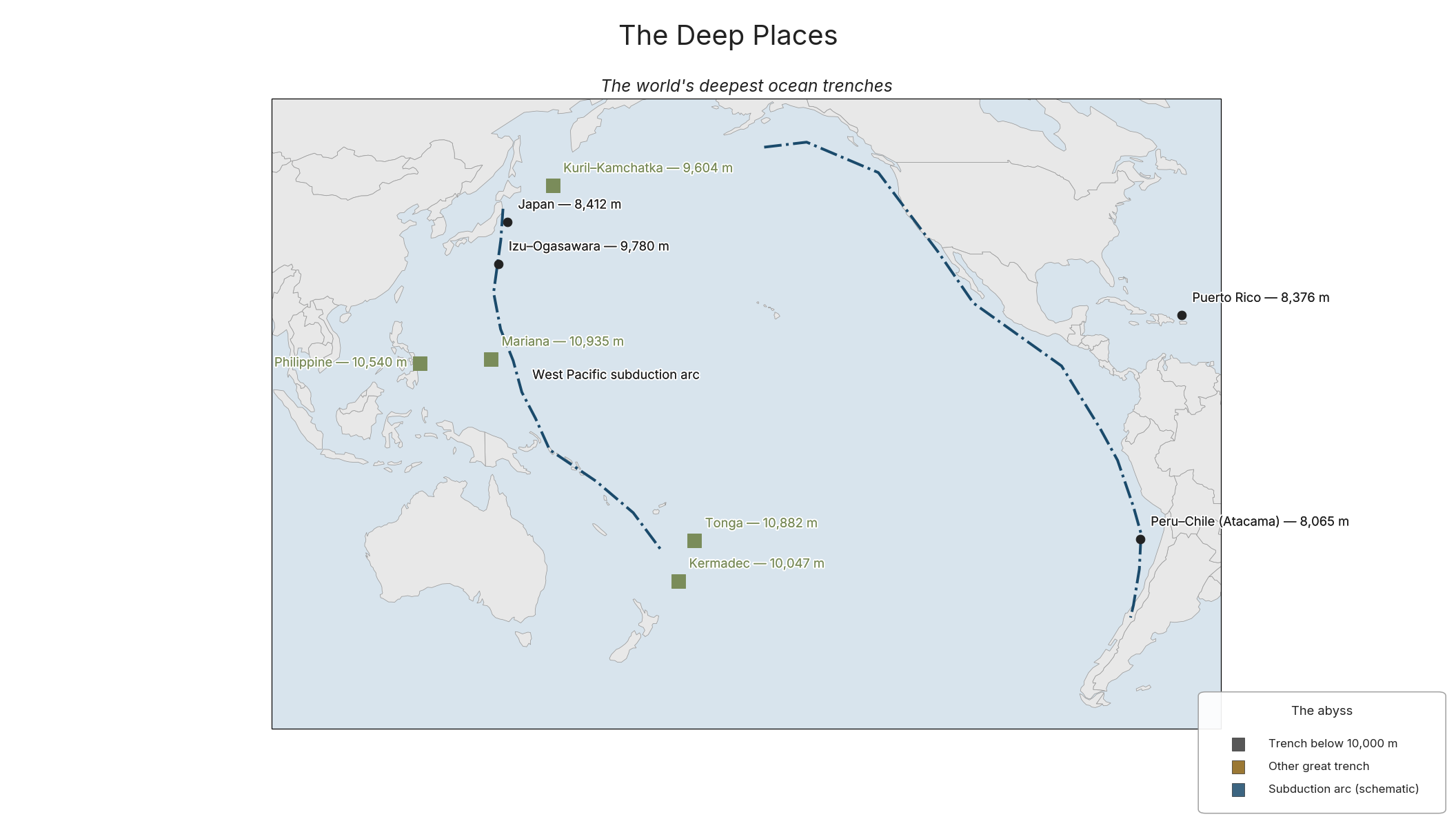
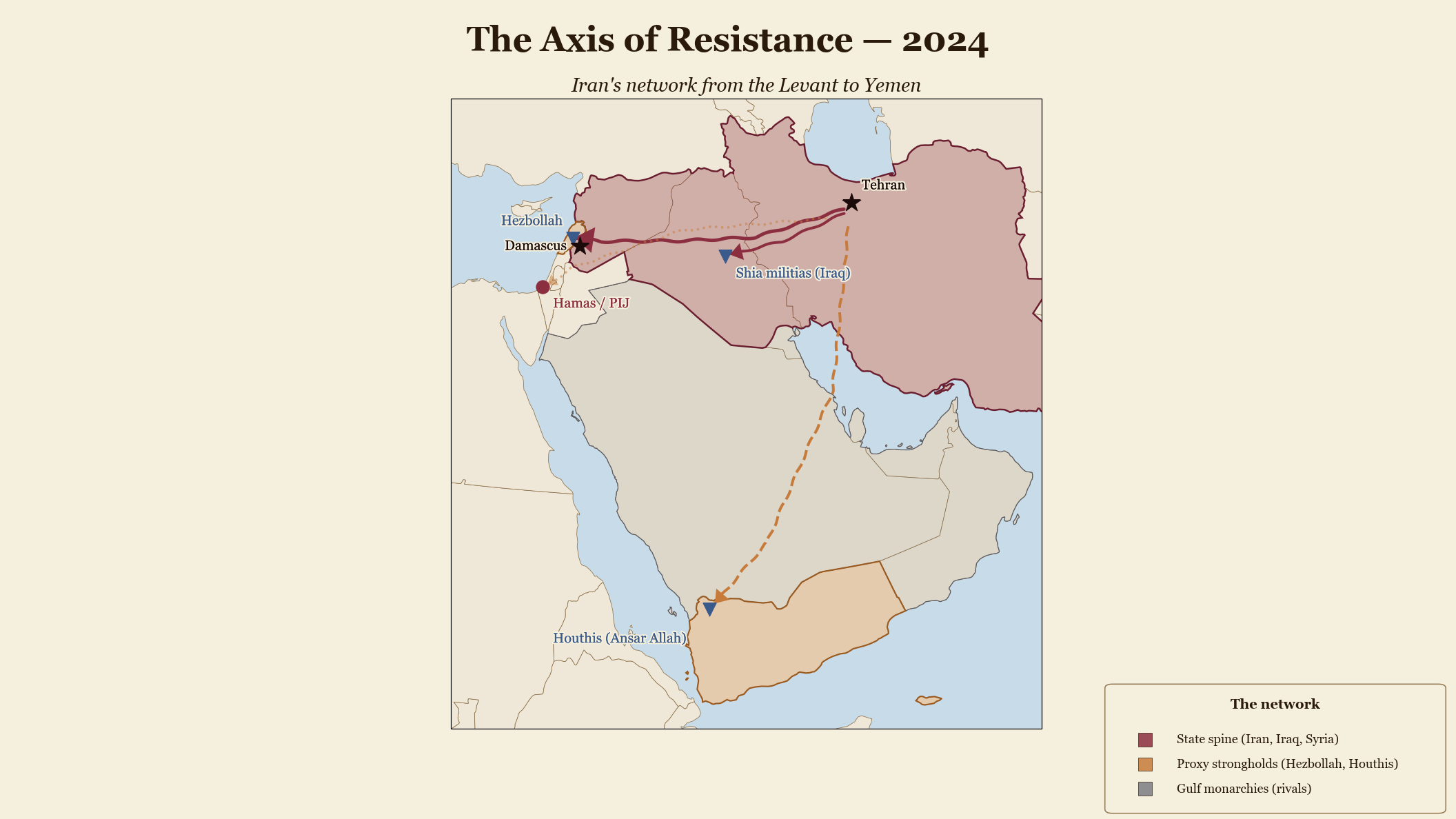
Why Gesta Carta
Between the image that hallucinates and the GIS that needs a course.
Not image-gen
No geographic hallucination — named entities resolved to authoritative geometry.
Not a GIS
No learning curve. Write a sentence, get an editorial map.
Not by hand
Reproducible, versionable, citable, shareable as a template.
The Studio is open
You bring the analysis.
We handle the map.
Gesta Carta doesn’t replace your knowledge. It makes it visually communicable, coherent, and editable.